
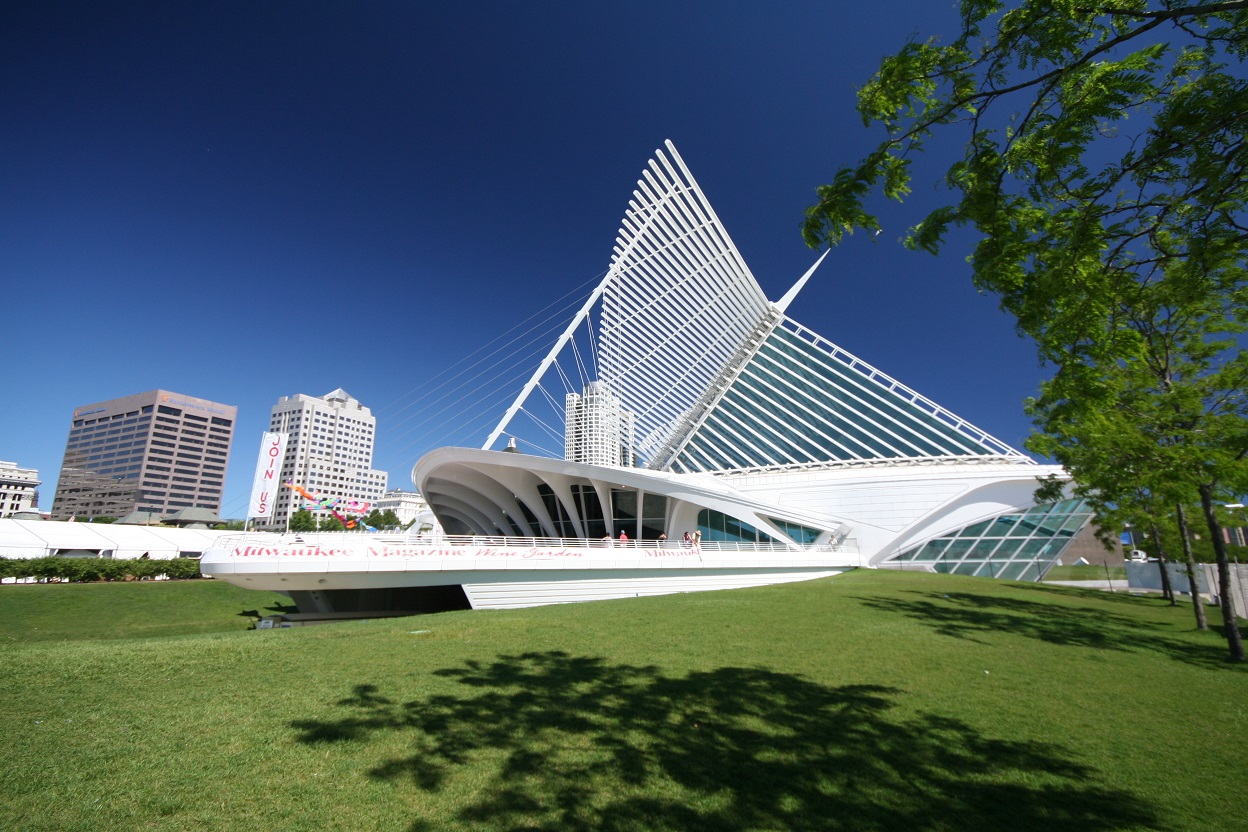
Milwaukee Art Museum is one of the most visually striking cultural landmarks in the United States. Located on the shores of Lake Michigan, it is renowned for its innovative design, dramatic architecture, and extensive art collections. The museum serves as both a home for art and a symbol of Milwaukee’s cultural identity.
Historical Background
The Milwaukee Art Museum was originally founded in 1888, with its first exhibitions held in temporary locations. The need for a permanent, iconic space led to the development of a new building, designed to embody both artistic expression and architectural innovation.
The current building, completed in 2001, was designed by Santiago Calatrava, a Spanish architect known for his sculptural, futuristic designs. Calatrava’s work on the museum created an instantly recognizable landmark, blending art, architecture, and engineering.
Architectural Design
The Milwaukee Art Museum is celebrated for its combination of functional space and artistic form. Its most distinctive feature is the Quadracci Pavilion, which includes a movable brise soleil—often called “wings”—that opens and closes like a bird in flight.
1. Exterior and Wings
-
The brise soleil spans 217 feet and has 72 steel “fins” that move with the sun and weather, creating a dynamic visual experience.
-
The exterior is primarily white, emphasizing simplicity, elegance, and modernity.
-
Glass walls and skylights allow natural light to penetrate the interior, creating a bright, open atmosphere.
The museum’s design integrates with its lakeside setting, reflecting the movement of water and sky in its forms.
2. Interior Spaces
Inside, the museum offers expansive galleries, educational spaces, and public areas:
-
Quadracci Pavilion: Houses temporary exhibitions and special installations, featuring open floor plans and flowing circulation paths.
-
Reiman Building: Contains permanent collections of European, American, and contemporary art.
-
Wisconsin Center and Sculpture Gardens: Outdoor spaces for public art and social gatherings.
The interiors emphasize openness, light, and flexibility, allowing for diverse artistic presentations.
3. Engineering Innovation
Creating the movable wings required advanced engineering and precision construction:
-
Steel and concrete framework supports the moving fins
-
Hydraulic systems allow the wings to open and close smoothly
-
Glass facades and skylights integrate structural strength with transparency
-
Environmental controls maintain comfort and protect artworks from sunlight exposure
Calatrava’s design merges structural innovation with sculptural beauty, making the museum both functional and visually striking.
Cultural and Artistic Significance
The Milwaukee Art Museum serves as a major cultural hub for the city and region:
-
Houses a collection of over 30,000 works, including European, American, and contemporary art
-
Hosts traveling exhibitions and international art events
-
Offers educational programs, workshops, and community engagement initiatives
-
Serves as a venue for performances, lectures, and special events
The museum enhances public appreciation of art while contributing to Milwaukee’s identity as a center for culture and creativity.
Urban Context and Landscape
Situated on Lake Michigan, the museum is a prominent feature of Milwaukee’s skyline and waterfront:
-
The Quadracci Pavilion faces the lake, creating a visual connection with water and sky
-
Outdoor sculpture gardens and plazas provide public spaces for leisure and cultural events
-
The museum’s integration with its surroundings enhances urban aesthetics and encourages community engagement
Its lakeside location emphasizes openness and accessibility, allowing the building to interact with the natural environment.
Tourism and Visitor Experience
Visitors to the Milwaukee Art Museum can experience:
-
Iconic architecture and moving wings
-
Extensive art collections, ranging from classical to contemporary works
-
Guided tours explaining architecture, engineering, and curatorial practices
-
Public events, lectures, and educational workshops
-
Scenic views of Lake Michigan from terraces and galleries
The combination of art, architecture, and natural beauty makes the museum a must-see attraction in Wisconsin.
Awards and Recognition
The Milwaukee Art Museum has received global recognition for its design and impact:
-
Celebrated as one of Santiago Calatrava’s most significant projects in the United States
-
Featured in architectural journals and exhibitions for its innovative design
-
Praised for merging engineering, aesthetics, and functionality in public architecture
-
Recognized as a landmark that elevates Milwaukee’s cultural and urban profile
Its unique combination of art and architecture has inspired architects, designers, and urban planners worldwide.
Architectural Legacy
The Milwaukee Art Museum demonstrates how modern architecture can elevate cultural institutions:
-
Inspires the use of kinetic and dynamic elements in buildings
-
Combines structural innovation with artistic expression
-
Serves as a model for integrating museums into urban and natural landscapes
-
Highlights the role of architecture in enhancing public engagement with art
Calatrava’s work on the museum has influenced contemporary museum design and reinforced the importance of iconic architecture in city branding.
Conclusion
The Milwaukee Art Museum is more than a building—it is a symbol of artistic innovation, architectural excellence, and cultural identity. Its moving wings, open interiors, and lakeside location create a dynamic experience for visitors, combining visual beauty with functional space.
As both an art museum and architectural landmark, it attracts tourists, inspires designers, and enriches Milwaukee’s cultural life. The Milwaukee Art Museum stands as a testament to the power of architecture to create iconic, engaging, and transformative public spaces.
Read Also:Reykjavik’s Harpa: A Landmark of Design and Performance
Watch Also:www.youtube.com/@bollywoodshorts2124










Leave a Reply