
Architecture is no longer just about creating buildings that look beautiful. Today, it is increasingly about purpose, sustainability, and improving human life. Architects are designing spaces that respond to social needs, environmental challenges, and technological opportunities. In 2026, the focus is on creating buildings that are meaningful, flexible, and connected to their surroundings.
This guide explores the main trends in contemporary architecture, showing how designers balance aesthetics, function, and responsibility. From sustainable materials to smart technology, purposeful architecture reflects a shift toward buildings that do more than just exist—they actively support people and the planet.
Sustainability as a Core Principle
Sustainability remains the foundation of purposeful architecture. Modern buildings are designed to minimize their environmental impact while maximizing efficiency and comfort.
Key features include:
-
Energy Efficiency: Using solar panels, LED lighting, and optimized insulation to reduce energy consumption.
-
Water Management: Systems for rainwater harvesting, greywater recycling, and efficient plumbing.
-
Sustainable Materials: Choosing recycled, low-impact, or locally sourced materials to reduce carbon footprint.
-
Green Roofs and Walls: Providing natural insulation, improving air quality, and enhancing aesthetics.
Net-zero and energy-positive buildings are becoming more common. These structures generate as much—or more—energy than they consume, making them environmentally responsible and cost-effective over time.
Biophilic and Nature-Centered Design
Connecting people with nature is a major trend. Biophilic design uses natural light, indoor plants, water features, and views of outdoor spaces to improve health and well-being.
Benefits include:
-
Better mental and physical health
-
Increased productivity in workplaces
-
Reduced stress in residential and public spaces
Large windows, green terraces, and indoor gardens are common features. Designers focus on creating harmony between the built environment and natural surroundings.
Flexibility and Multi-Use Spaces
Modern life demands adaptable spaces. Homes, offices, and public buildings are designed to serve multiple purposes.
Examples include:
-
Movable partitions for open-plan areas
-
Furniture that can transform for different activities
-
Rooms that serve both work and leisure functions
Flexibility is especially important in cities where space is limited and needs change quickly.
Smart and Intelligent Buildings
Technology is shaping purposeful architecture. Smart systems control lighting, temperature, security, and appliances, often using artificial intelligence to adapt to occupants’ needs.
Advantages include:
-
Energy savings and efficiency
-
Improved safety and monitoring
-
Enhanced comfort and convenience
Smart buildings can also collect data to improve maintenance, reduce waste, and optimize performance over time.
Minimalist and Human-Centered Aesthetics
Modern architecture often favors clean lines, simple forms, and uncluttered spaces. Minimalism emphasizes functionality and comfort rather than decorative elements.
Human-centered design prioritizes:
-
Accessibility for all users
-
Spaces that encourage interaction and collaboration
-
Comfort through natural lighting, ventilation, and acoustics
The result is architecture that feels welcoming, efficient, and visually calm.
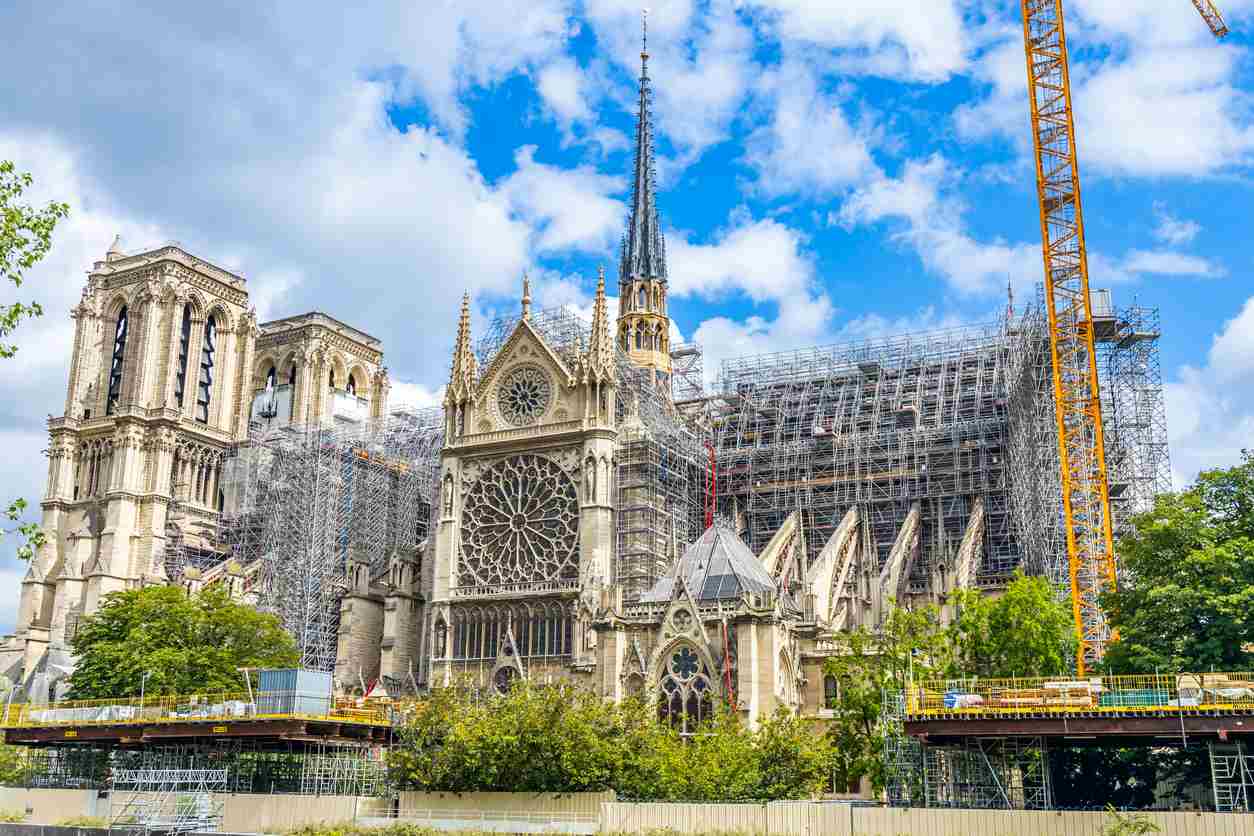
Adaptive Reuse and Cultural Preservation
Rather than demolishing old buildings, architects increasingly repurpose them. Factories become apartments, warehouses turn into offices, and historic structures are adapted for new uses.
This approach:
-
Preserves cultural heritage
-
Reduces construction waste
-
Maintains urban identity and character
Adaptive reuse allows cities to grow sustainably while respecting history.
Climate-Responsive Architecture
Buildings today must respond to climate challenges, including heatwaves, flooding, and storms. Climate-responsive design uses materials, orientation, and technology to adapt to environmental conditions.
Examples:
-
Elevated structures in flood-prone areas
-
Shaded facades to reduce heat gain
-
Strong materials resistant to storms and wear
Designing for climate resilience ensures buildings remain safe, functional, and sustainable over time.
Modular and Prefabricated Construction
Prefabrication allows building parts to be manufactured off-site and assembled quickly. Modular construction saves time, reduces waste, and allows for precise quality control.
Applications include:
-
Affordable housing
-
Temporary or emergency structures
-
Large-scale developments where speed is essential
This method supports flexible and sustainable construction practices.
Designing Buildings with Purpose: A Guide to Today’s Architecture
Transparent and Open Design
Glass and open layouts remain popular. Transparency allows natural light, improves visibility, and fosters connection between indoor and outdoor spaces.
Benefits:
-
Enhances occupant well-being
-
Encourages social interaction
-
Improves energy efficiency with natural lighting
Modern glass technologies improve insulation and durability, making large transparent surfaces more practical than ever.
Health-Focused Architecture
Buildings are increasingly designed to support physical and mental health. Features include:
-
Improved air quality and ventilation
-
Access to daylight and outdoor views
-
Quiet zones for relaxation
-
Ergonomic layouts in offices and public spaces
Healthcare facilities, schools, and offices are at the forefront of integrating these principles.
Local Materials and Cultural Identity
Architecture is embracing local context. Using regional materials, traditional construction techniques, and culturally inspired designs helps buildings fit their environment and community.
Benefits include:
-
Supporting local economies
-
Reducing transportation and emissions
-
Reflecting regional heritage and identity
This approach balances modern needs with cultural preservation.
Mixed-Use Developments and Vertical Communities
Cities are increasingly dense, so architects design buildings that combine residential, commercial, and recreational functions.
Advantages:
-
Reduces commuting and travel time
-
Creates vibrant, self-contained communities
-
Maximizes land use in urban areas
Vertical communities, where multiple functions are stacked within a single building, are gaining popularity in metropolitan regions.
3D-Printed and Experimental Materials
Emerging technologies like 3D printing allow architects to experiment with shapes, structures, and sustainable materials that were previously impossible.
Benefits:
-
Rapid construction with less labor
-
Unique, complex designs
-
Reduced material waste
3D printing is being applied to residential, commercial, and even disaster-relief projects worldwide.
Artificial Intelligence in Architecture
AI tools assist in designing buildings that are efficient, functional, and innovative. Architects use AI to:
-
Analyze environmental conditions and energy efficiency
-
Optimize structural and spatial layouts
-
Generate multiple design options quickly
AI complements human creativity, enabling more informed and purposeful design choices.
Designing Buildings with Purpose: A Guide to Today’s Architecture
Water-Sensitive Urban Design
Managing water sustainably is critical. Modern buildings and cities use techniques such as:
-
Permeable surfaces and green spaces for rainwater absorption
-
Water recycling systems
-
Urban wetlands and retention basins
These solutions improve resilience to droughts, floods, and urban heat while enhancing aesthetics.
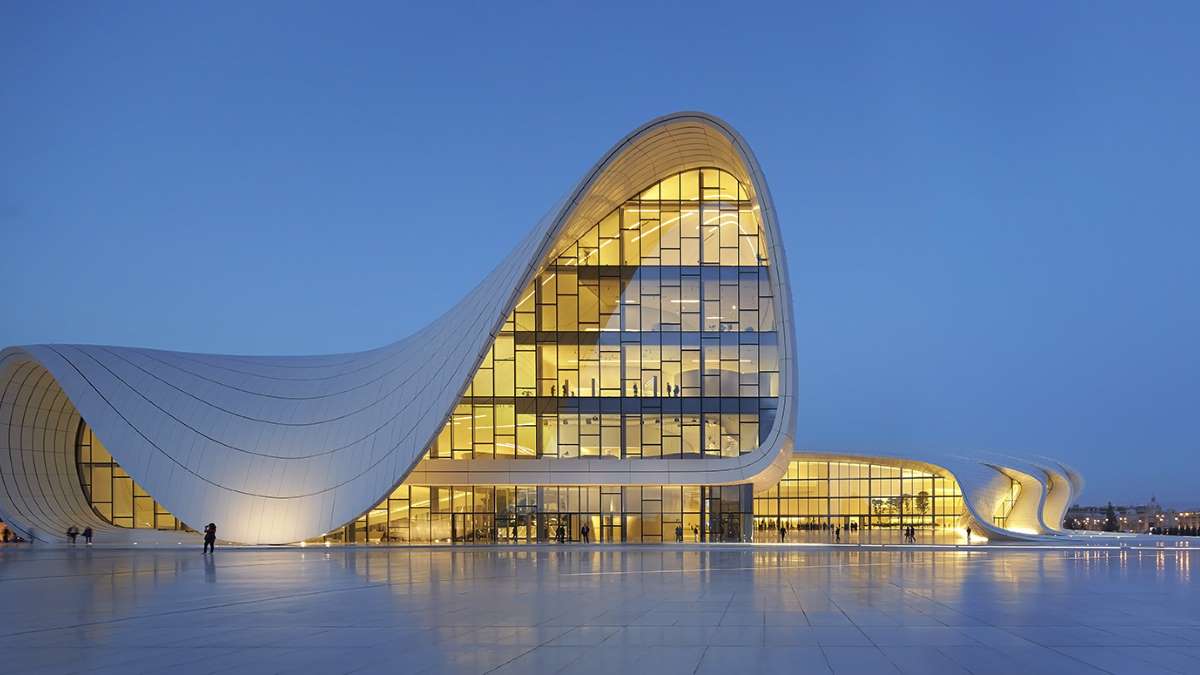
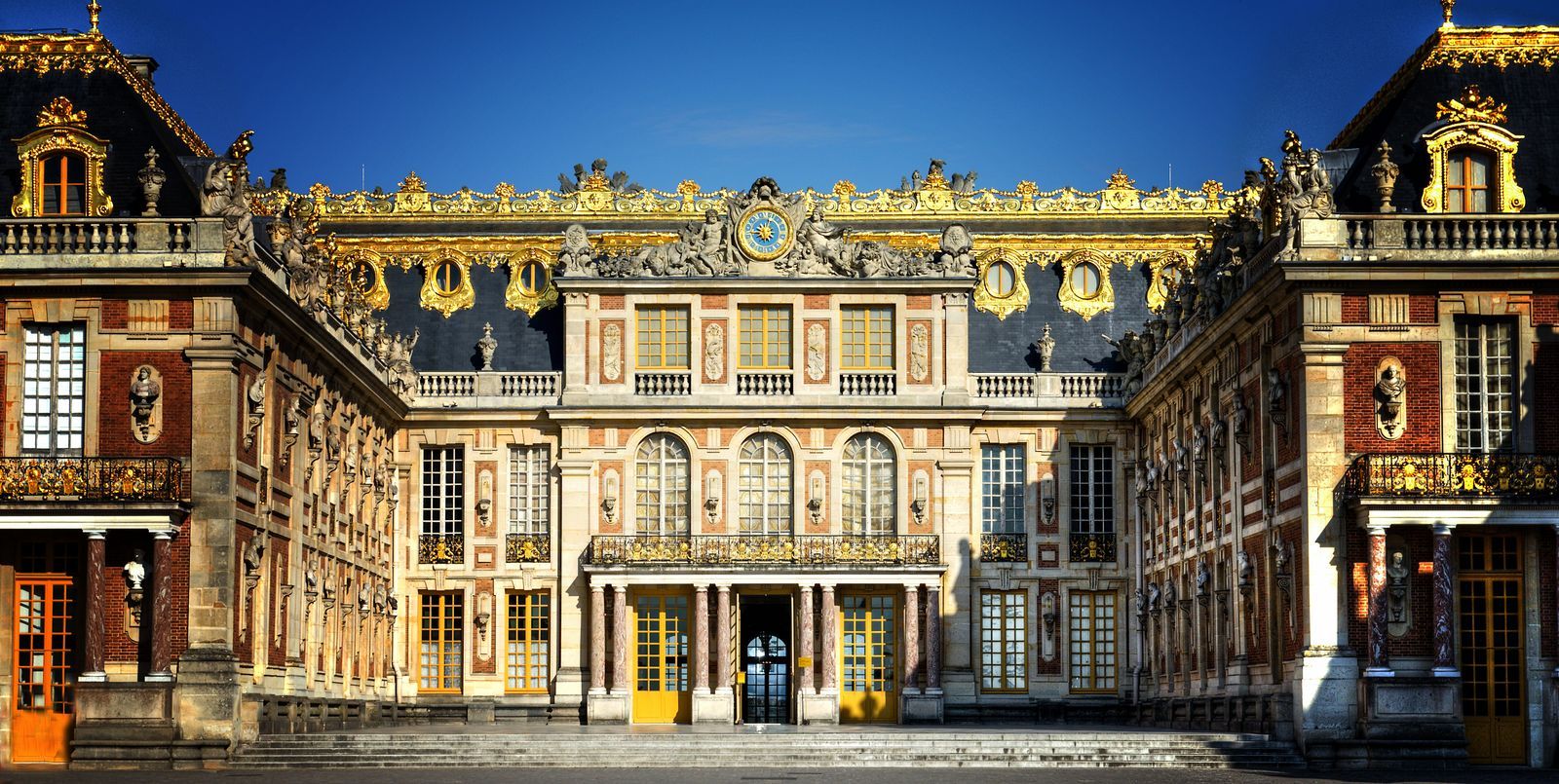
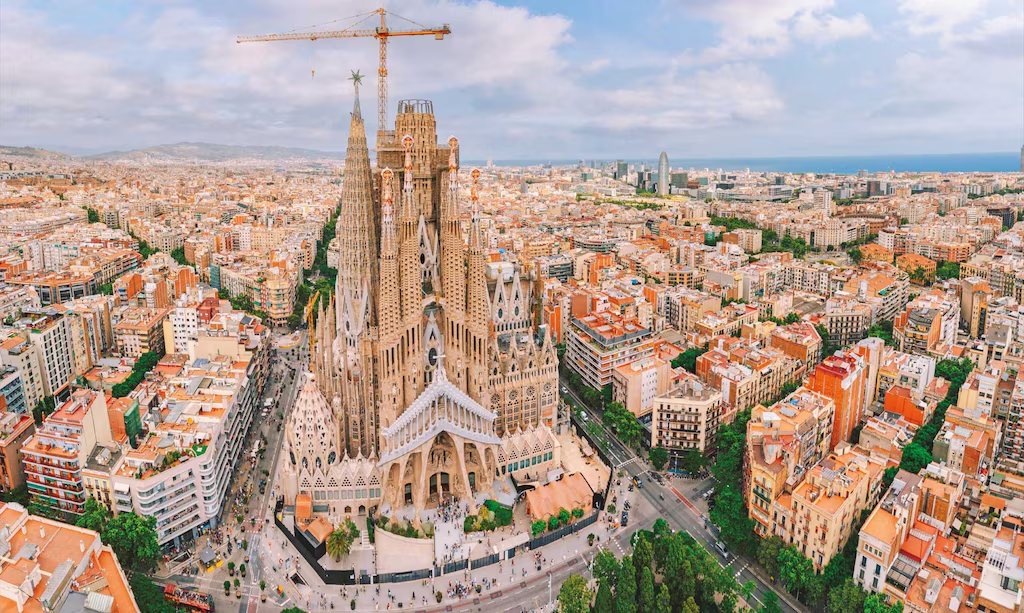
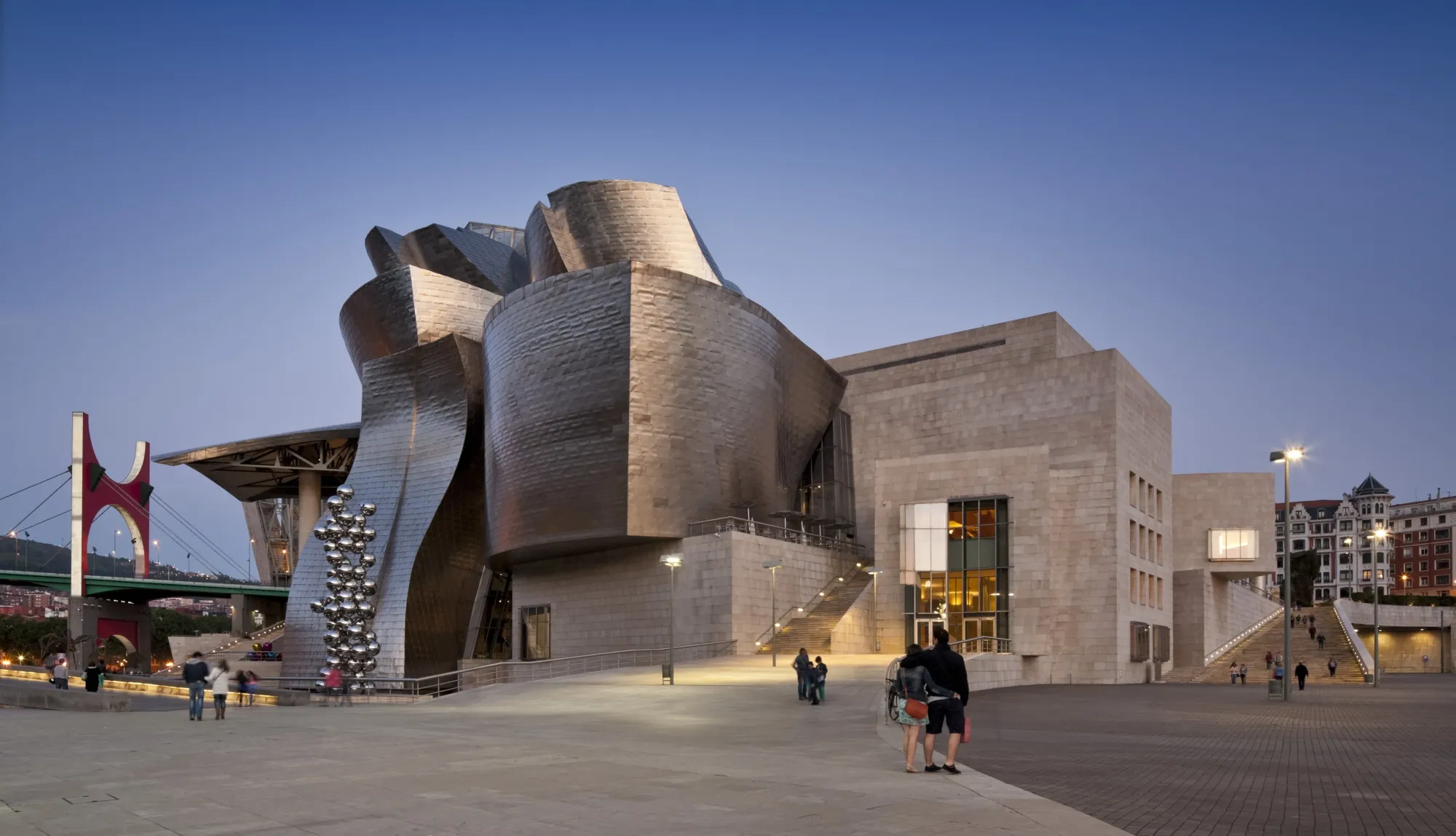
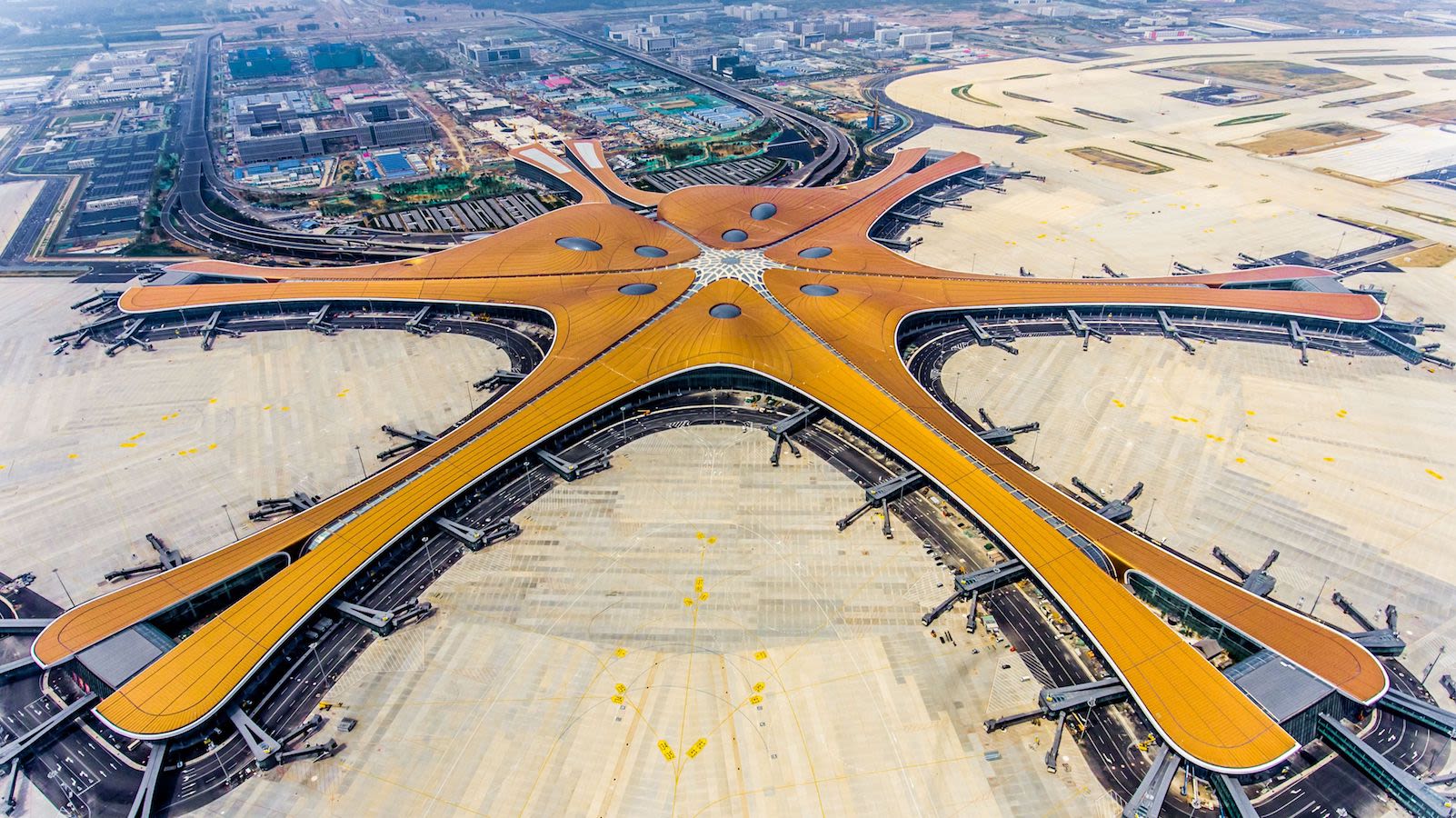
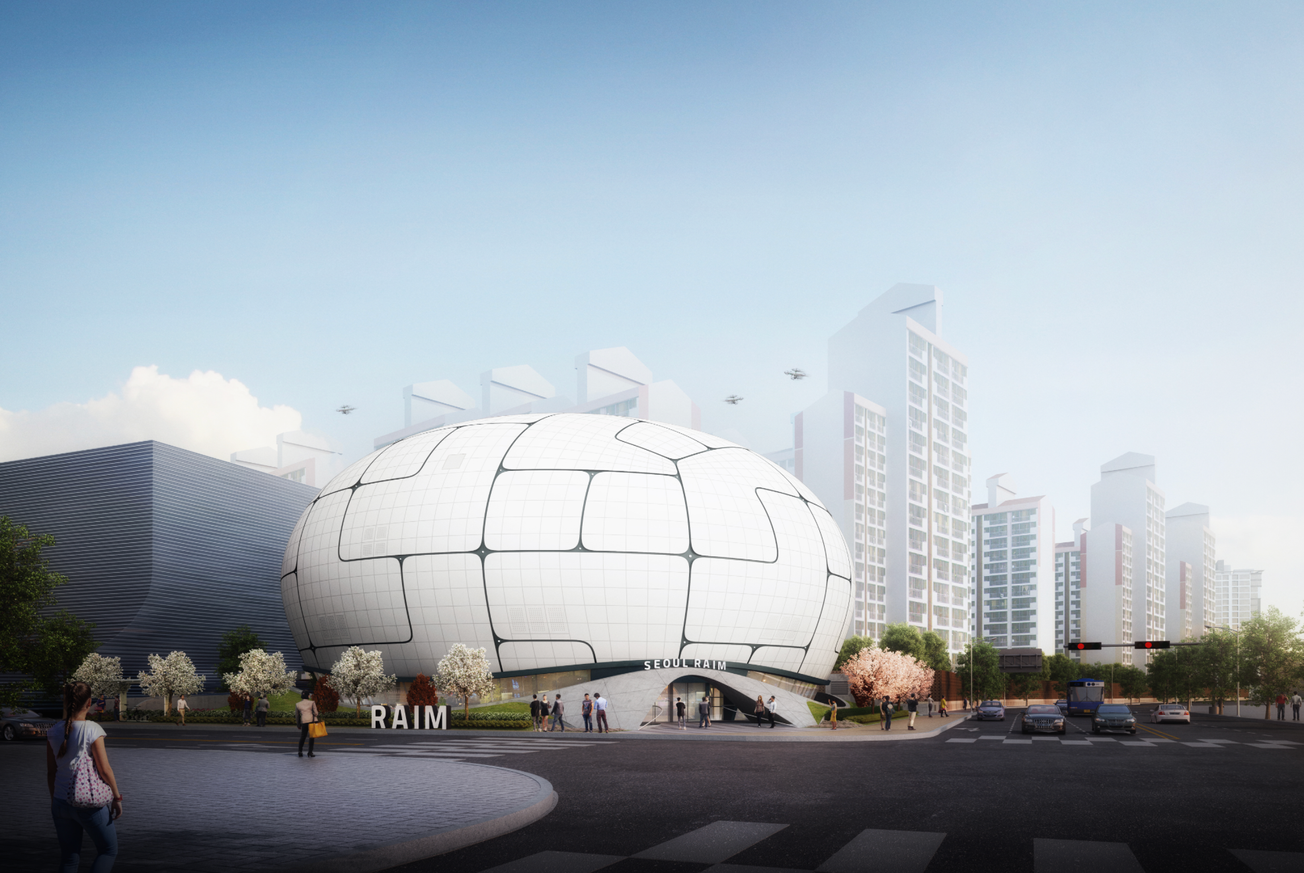
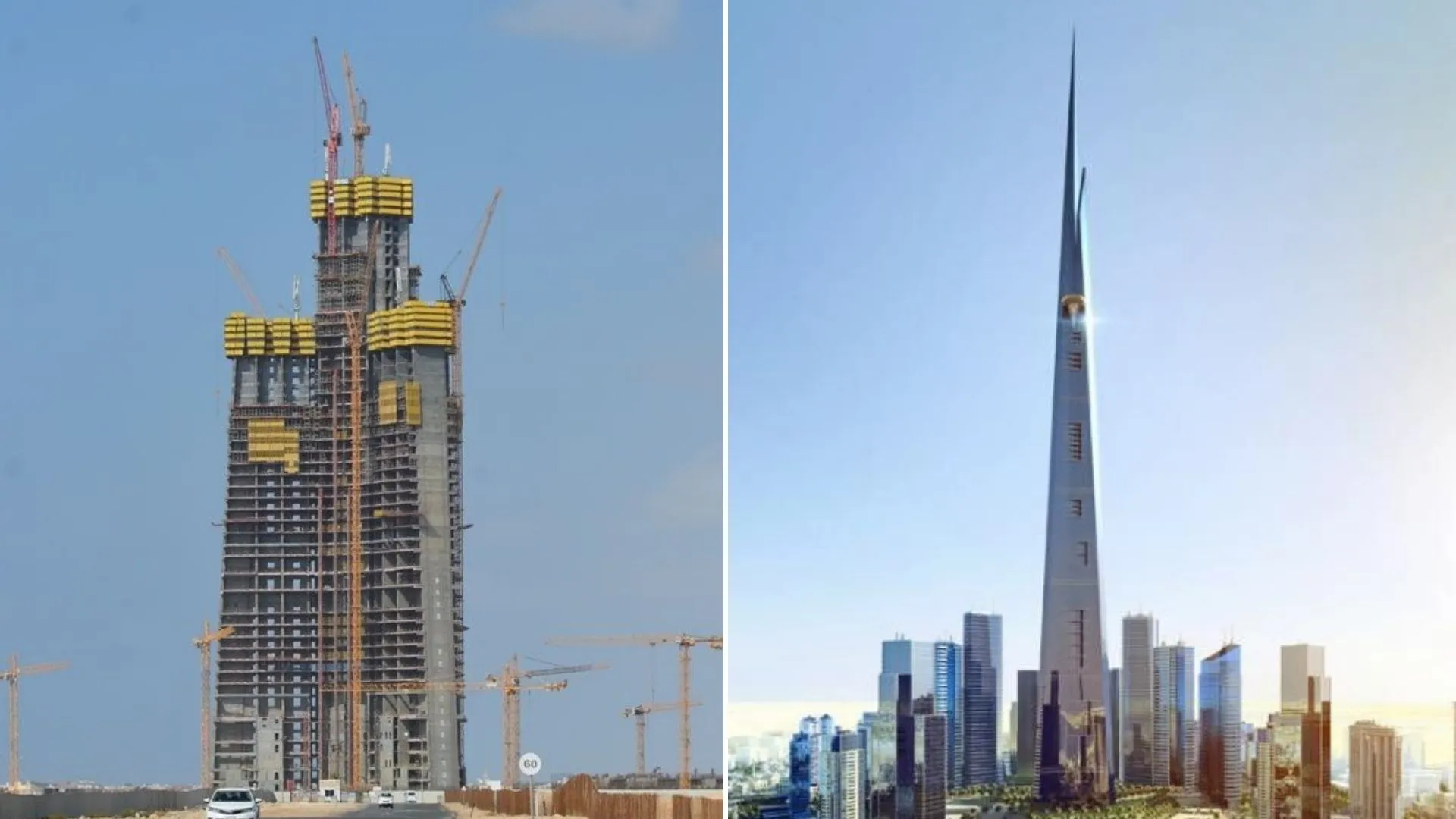
Iconic and Landmark Architecture
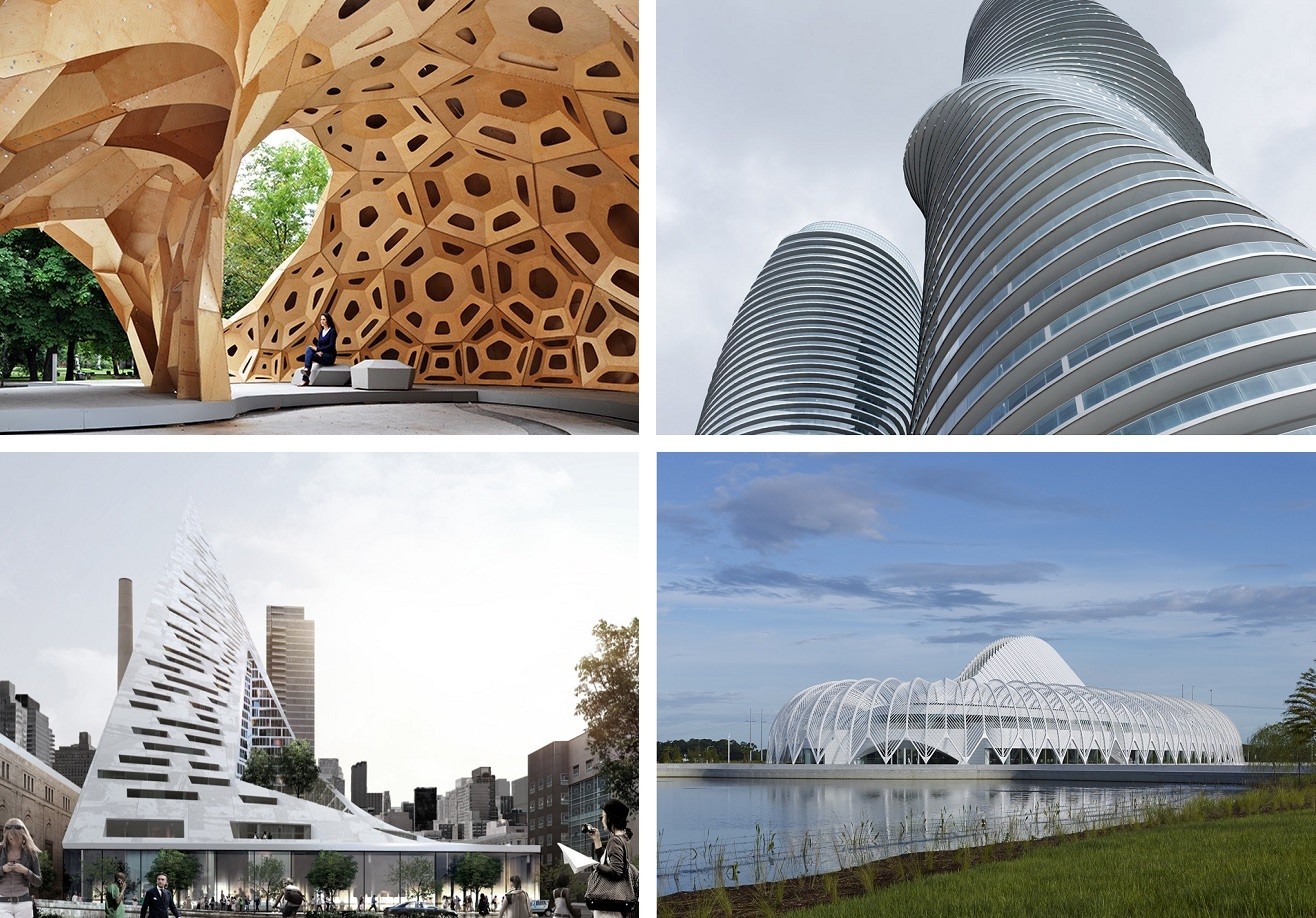
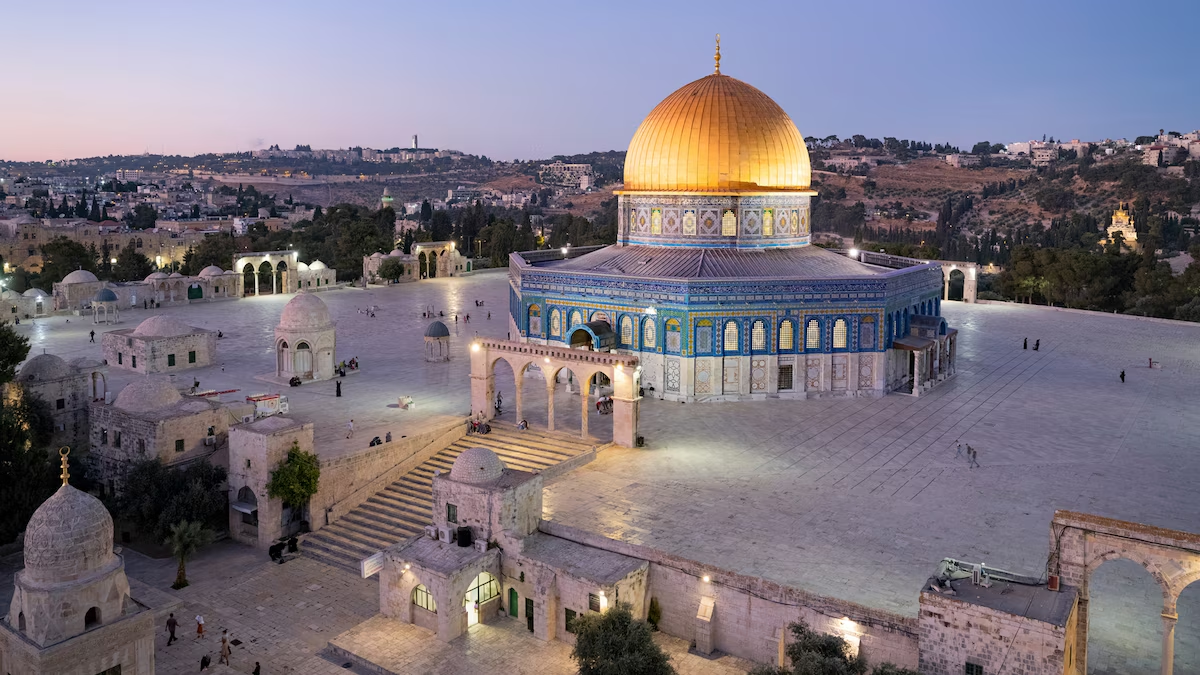
Even in a purposeful design focus, some buildings are created to inspire and symbolize identity. Iconic structures often feature bold forms and innovative engineering, attracting tourism and shaping cityscapes.
Examples include mixed-use skyscrapers, cultural centers, and landmark bridges.
Conclusion
Purposeful architecture in 2026 emphasizes sustainability, adaptability, technology, and human well-being. Designers are creating buildings that do more than provide shelter—they enhance life, respond to the environment, and reflect cultural identity. From smart homes and modular construction to biophilic spaces and adaptive reuse, modern architecture balances beauty with function, responsibility, and resilience.
As cities grow and climates change, the role of architecture continues to expand. Purposeful design ensures that buildings not only meet immediate needs but also contribute positively to communities, the environment, and future generations.
Read Also: Keep your face towards the sunshine and shadows will fall behind you
Watch Also: https://www.youtube.com/@TravelsofTheWorld24





Leave a Reply