
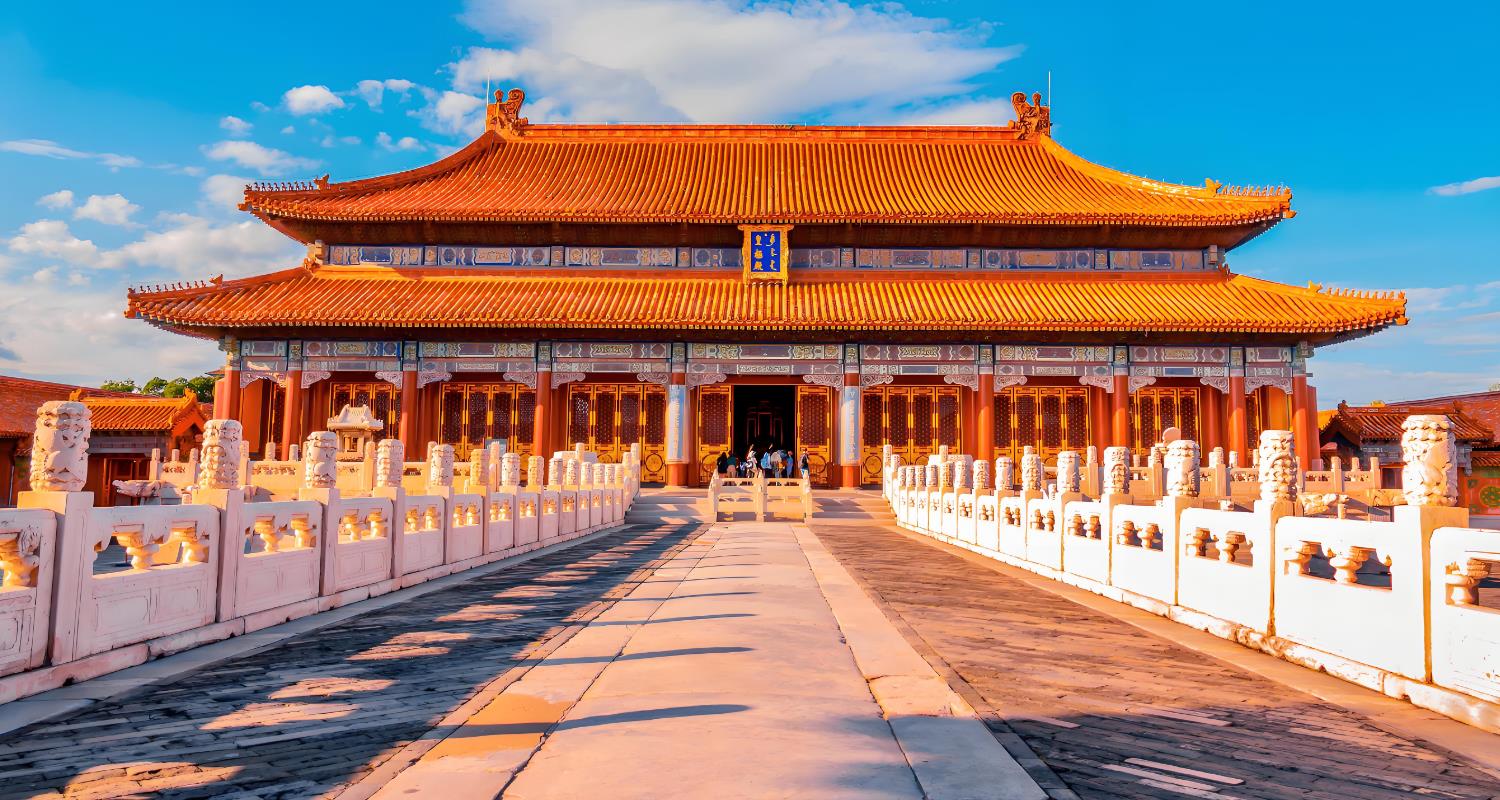
Forbidden City is one of the most iconic and historically significant palaces in the world. Located in the center of Beijing, China, it served as the imperial palace for nearly 500 years, housing 24 emperors of the Ming and Qing dynasties. Today, it stands as a symbol of China’s rich history, architectural mastery, and cultural heritage.
Historical Background
Construction of the Forbidden City began in 1406 under Emperor Yongle of the Ming dynasty and was completed in 1420. For centuries, it functioned as the political and ceremonial center of Chinese imperial power. Its design reflects traditional Chinese principles of order, hierarchy, and cosmology.
The palace complex was closed to the general public during imperial times, earning the name “Forbidden City.” After the fall of the Qing dynasty in 1912, it was converted into the Palace Museum, preserving the art, artifacts, and architecture of imperial China.
Architectural Design
The Forbidden City is a masterpiece of Chinese palatial architecture, combining functionality, symbolism, and grandeur.
1. Layout and Structure
The palace occupies over 180 acres and consists of nearly 1,000 buildings. Key design elements include:
-
Central Axis: The complex is organized along a north-south axis, symbolizing order and harmony.
-
Outer and Inner Courts: The outer court was used for state ceremonies, while the inner court housed the emperor and his family.
-
Gateways and Courtyards: Grand gates, such as the Meridian Gate, and expansive courtyards separate sections of the palace, emphasizing hierarchy and ceremonial progression.
The arrangement of buildings reflects the ancient Chinese concept of feng shui and the importance of symmetry.
2. Roofs and Decorations
The Forbidden City is renowned for its golden roofs, intricate carvings, and vibrant colors:
-
Yellow glazed tiles symbolize imperial authority
-
Red walls represent happiness and good fortune
-
Dragons, phoenixes, and other mythical motifs decorate eaves, beams, and ceilings
-
Wooden columns and beams are elaborately carved and painted
The combination of color, ornamentation, and structure creates a visually stunning and symbolic environment.
3. Interior Spaces
Inside the Forbidden City, rooms were designed for specific purposes:
-
Throne Halls: The Hall of Supreme Harmony served for ceremonies, coronations, and receptions.
-
Private Chambers: Emperors’ living quarters were located in the inner court, with gardens and private spaces.
-
Temples and Altars: Certain buildings were dedicated to ancestor worship and religious ceremonies.
The interiors showcase fine craftsmanship, intricate woodwork, and decorative arts.
Symbolism and Cultural Significance
The Forbidden City embodies the cultural, political, and spiritual principles of imperial China:
-
Hierarchy and Order: Building arrangement reflects the social and political hierarchy of the emperor and court officials.
-
Cosmic Principles: The design incorporates concepts from Confucianism, Daoism, and feng shui.
-
Imperial Power: Colors, decorations, and scale signify the authority and prestige of the emperor.
The palace served as the center of governance, ceremonial life, and cultural expression, influencing Chinese architecture and city planning for centuries.
Gardens and Landscape
The Forbidden City includes beautifully designed gardens that provided tranquility for the emperor and royal family:
-
Imperial Garden: Located in the northern section, featuring rockeries, ponds, pavilions, and ancient trees
-
Landscaping Principles: Gardens follow Chinese aesthetics, emphasizing harmony with nature, balance, and reflection
-
Private Retreats: Certain areas were designed for meditation, leisure, and intimate gatherings
The integration of natural elements within the palace emphasizes the balance between built structures and nature.
Preservation and Museum Role
The Forbidden City was transformed into the Palace Museum in 1925, preserving its architectural and artistic heritage:
-
Artifact Collections: Over 1.8 million items, including paintings, ceramics, bronzes, and imperial treasures
-
Restoration Projects: Ongoing conservation maintains the buildings, roofs, and decorative details
-
Educational Programs: The museum offers exhibitions, guided tours, and cultural events
Preservation ensures the palace continues to educate and inspire future generations about China’s history and architecture.
Tourism and Visitor Experience
The Forbidden City attracts millions of visitors each year. Highlights include:
-
Walking through grand halls, gates, and courtyards
-
Observing the intricate details of roofs, decorations, and carvings
-
Exploring exhibitions of imperial art, costumes, and historical artifacts
-
Experiencing the scale and symmetry of one of the world’s largest palace complexes
The combination of history, architecture, and cultural storytelling creates an immersive experience for visitors from around the world.
Architectural Legacy
The Forbidden City has influenced architecture throughout China and East Asia:
-
Served as a model for palaces, temples, and city planning
-
Inspired design principles emphasizing symmetry, hierarchy, and harmony
-
Continues to inform modern architectural projects in cultural and ceremonial contexts
Its enduring legacy demonstrates the power of architecture to convey culture, authority, and spiritual meaning.
Conclusion
The Forbidden City in Beijing is more than a palace—it is a symbol of imperial power, cultural achievement, and architectural mastery. Its grand halls, intricate decorations, and expansive courtyards reflect centuries of Chinese history, artistry, and philosophy.
As both a historical site and museum, the Forbidden City continues to educate, inspire, and captivate visitors, standing as a testament to the enduring legacy of China’s imperial past and architectural excellence.
Read Also:Reykjavik’s Harpa: A Landmark of Design and Performance
Watch Also:www.youtube.com/@bollywoodshorts2124





Leave a Reply