
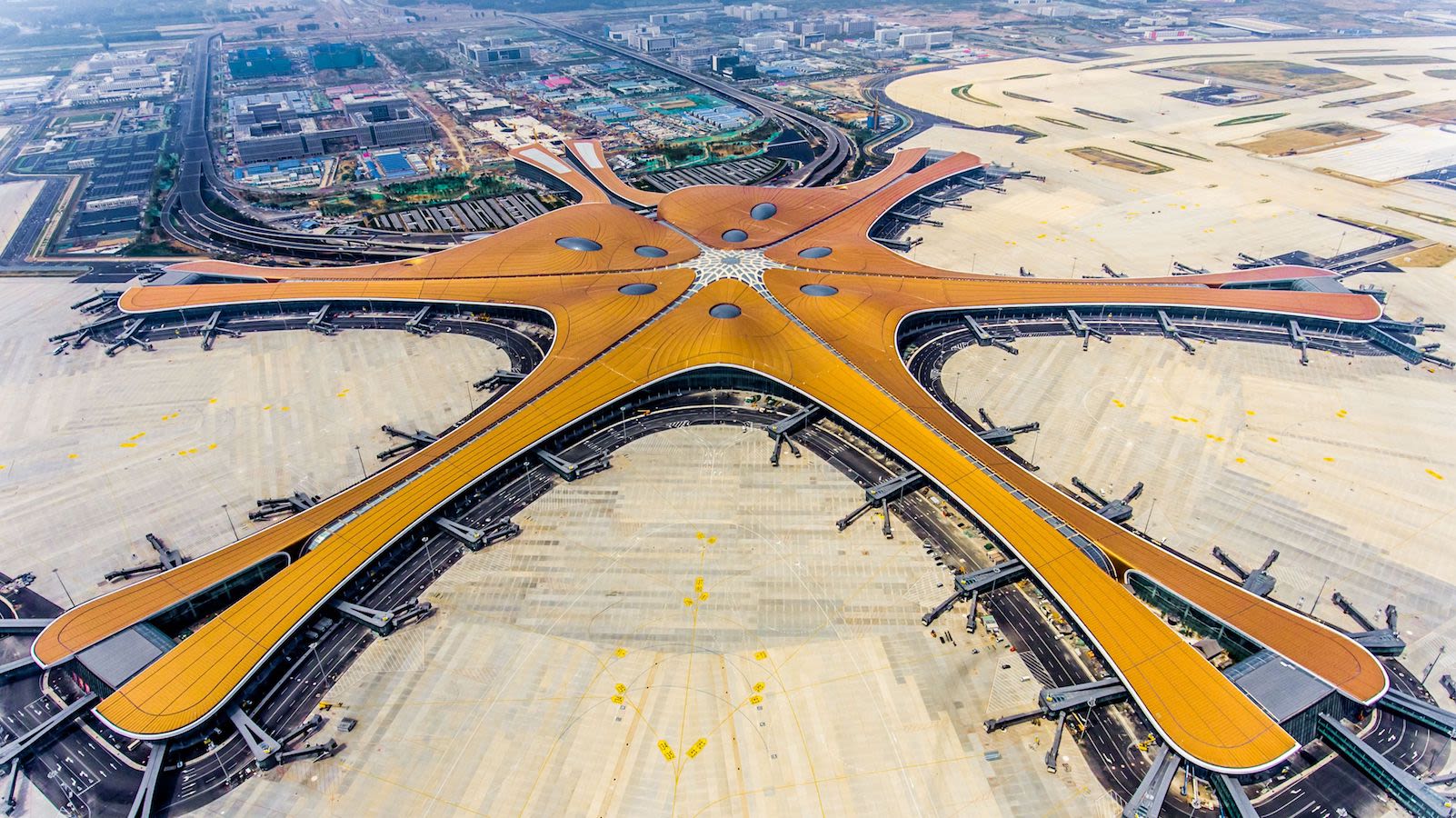
Beijing Daxing International Airport is one of the largest and most advanced airports in the world. Opened in 2019, it was designed to handle massive passenger traffic while offering state-of-the-art facilities, efficient operations, and a striking architectural design. Located in the southern suburbs of Beijing, the airport plays a critical role in China’s aviation network and global connectivity.
Planning and Construction
The airport was built to relieve congestion at Beijing Capital International Airport and accommodate China’s growing air travel demand. Construction began in 2014 and involved thousands of workers, engineers, and architects. The project required advanced planning, logistics, and innovative construction techniques to complete on schedule.
Key goals included:
-
High passenger capacity to meet growing air traffic
-
Efficient transportation connections to Beijing and surrounding regions
-
Integration of modern technology for security, operations, and passenger convenience
-
Sustainable design and energy efficiency
The airport covers approximately 700,000 square meters and is designed to handle over 100 million passengers annually when fully operational.
Architectural Design
The architectural firm Zaha Hadid Architects led the design of the terminal. The airport is often called the “starfish” airport because of its radial, flowing design.
1. Terminal Layout
The terminal features a centralized hub with five long concourses extending outward, minimizing walking distance for passengers. The design allows natural light to fill the space and provides clear visibility of gates and services.
2. Roof and Structure
The roof is made of sweeping curves supported by a complex steel frame. Skylights bring in daylight, reducing energy consumption and creating a bright, airy atmosphere. The design emphasizes both functionality and aesthetic appeal, giving the airport a futuristic look.
3. Passenger Experience
The terminal layout reduces walking distances to 600 meters maximum from security to any gate. Wide corridors, clear signage, and intuitive pathways make navigation easy. Lounges, retail areas, and dining options are integrated seamlessly into the terminal.
Transportation and Connectivity
Beijing Daxing International Airport is connected to the city and beyond through multiple transportation systems:
-
High-speed rail links to downtown Beijing
-
Expressways and dedicated roads for private and public transport
-
Airport shuttle buses connecting nearby cities and districts
-
Metro lines extending into the airport for convenient access
These connections ensure that passengers can reach the airport quickly and efficiently, reducing congestion and travel time.
Technology and Innovation
The airport incorporates advanced technology to improve safety, efficiency, and passenger experience. Key innovations include:
-
Automated baggage handling: Robots and conveyor systems sort luggage quickly and accurately.
-
Smart security systems: Facial recognition, AI monitoring, and automated checkpoints speed up passenger processing.
-
Energy-efficient systems: Solar panels, LED lighting, and climate control reduce environmental impact.
-
Digital services: Mobile apps, real-time flight information, and interactive kiosks assist travelers.
These technologies make Beijing Daxing International Airport one of the smartest airports in the world.
Sustainability Features
Environmental sustainability was a key consideration in the airport’s design. Measures include:
-
Maximizing natural daylight to reduce energy use
-
Rainwater collection and recycling systems
-
High-efficiency heating, cooling, and ventilation
-
Eco-friendly building materials and construction practices
These features help minimize the airport’s carbon footprint while maintaining comfort and operational efficiency.
Capacity and Operations
Beijing Daxing International Airport is designed to handle more than 100 million passengers and 4 million tons of cargo per year. It serves as a hub for domestic and international flights, connecting China with destinations worldwide.
The airport has advanced air traffic control systems and spacious taxiways to handle a high volume of flights safely and efficiently. Its design supports rapid turnaround times for aircraft, ensuring smooth operations.
Economic and Cultural Significance
The airport is more than a transportation hub—it is a symbol of China’s technological progress and global influence. It contributes to:
-
Economic growth by facilitating trade and tourism
-
Job creation in aviation, logistics, retail, and services
-
Urban development in Beijing and surrounding regions
-
International recognition for modern architecture and engineering
The airport reflects China’s ambition to lead in infrastructure, technology, and aviation.
Tourism and Visitor Experience
Travelers visiting Beijing Daxing International Airport experience a combination of efficiency, comfort, and modern design. The terminal offers:
-
Spacious waiting areas with natural lighting
-
Diverse dining and shopping options
-
Art installations and architectural highlights
-
Easy navigation with digital information and signage
The airport has become a landmark in its own right, admired by architects, engineers, and travelers alike.
Conclusion
Beijing Daxing International Airport is a marvel of modern architecture, engineering, and technology. Its innovative design, advanced systems, and sustainable features make it a model for airports worldwide.
More than just a travel hub, it represents China’s vision for the future: efficient, technologically advanced, and environmentally responsible. As passenger traffic continues to grow, Beijing Daxing International Airport will remain a central part of global aviation, connecting millions of people while showcasing the possibilities of modern design and engineering.
Read Also: Keep your face towards the sunshine and shadows will fall behind you
Watch Also: https://www.youtube.com/@TravelsofTheWorld24








Leave a Reply