
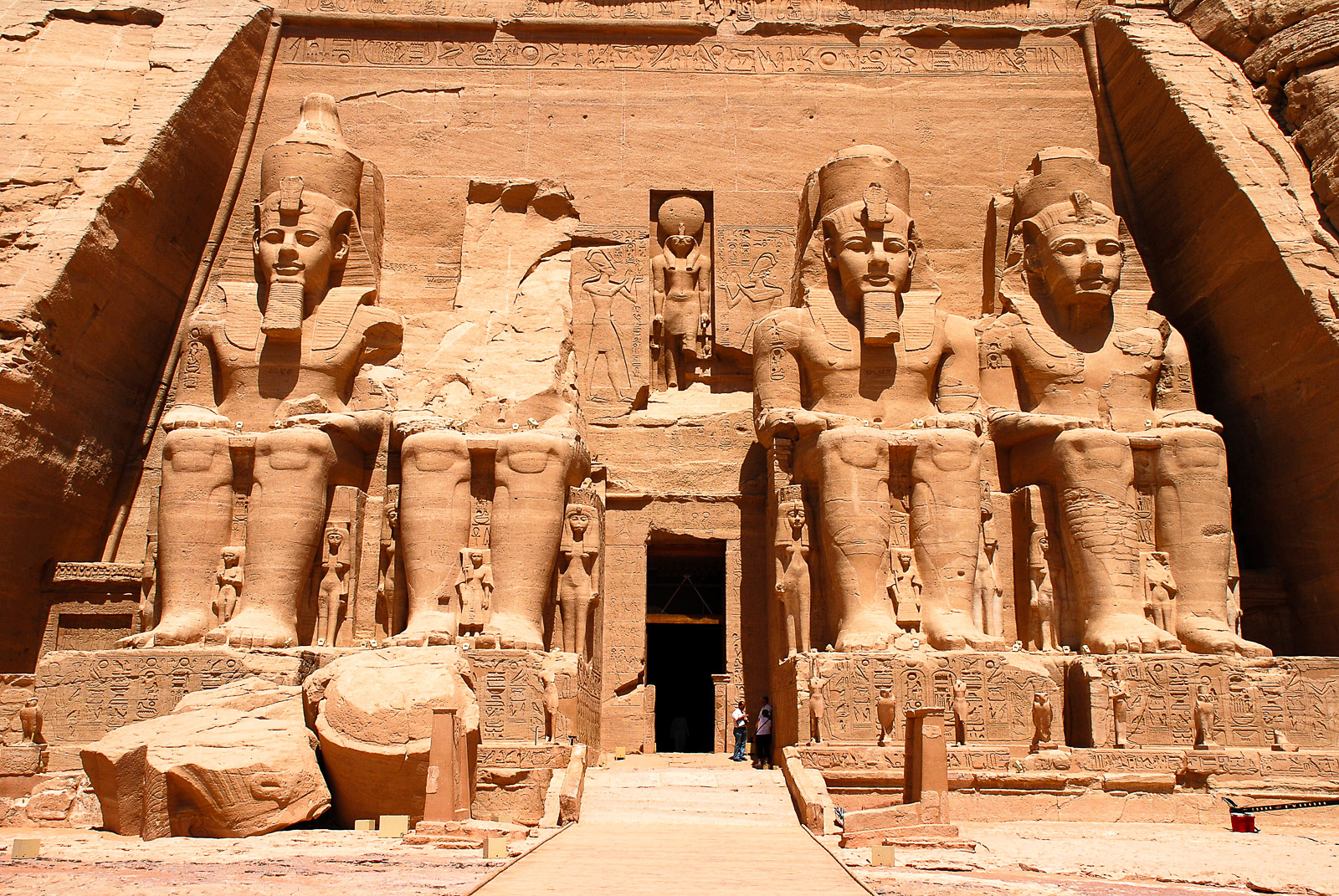
About 50 years ago, some of Egypt’s most famous ancient temples were moved to higher ground to save them from the rising waters of the Nile River. This incredible project preserved these historical treasures for future generations. Without this rescue, many of these temples would have been damaged or completely lost.
The temples tell stories of Egypt’s long and rich history, its religion, and the achievements of its pharaohs. Moving them was not only a technical challenge but also a symbol of Egypt’s commitment to protecting its cultural heritage.
The Threat: Rising Waters of the Nile
The project began because of the construction of the Aswan High Dam. Built in the 1960s to control flooding, provide water for irrigation, and generate electricity, the dam created a huge lake called Lake Nasser.
While the dam brought many benefits, it also threatened ancient sites. When the water level rose, many temples near the Nile were at risk of being submerged. Among them were the famous temples of Abu Simbel and Philae Temple.
Planning the Rescue
Egyptian authorities asked the international community for help. UNESCO, the United Nations organization for education, science, and culture, coordinated the effort. It became one of the largest and most famous archaeological rescue projects in history.
The first step was careful documentation. Experts measured every block of stone and recorded the details of walls, carvings, and statues. This was important because moving ancient buildings without damaging them is extremely difficult.
Engineers and archaeologists worked together to plan how to lift and transport these massive structures safely.
Moving the Temples
The process of moving temples was complex. In some cases, temples were cut into thousands of large blocks. Each block was numbered, carefully lifted, and transported to a new location on higher ground.
For example:
-
Abu Simbel Temples: These massive rock-cut temples were cut into blocks weighing up to 30 tons each. After being transported, they were reassembled precisely as they had been for thousands of years. The temples were even rotated slightly to preserve their alignment with the sun on certain days, as originally intended.
-
Philae Temple: This temple, located on an island, was moved to a nearby higher island. Large cranes and special platforms helped lift the stones and protect delicate carvings.
The work required both modern technology and ancient knowledge of stone construction.
Challenges Faced
Moving these temples was not easy. Engineers faced several challenges:
-
Heavy Weight: Many stones weighed several tons, making them difficult to lift and move.
-
Delicate Carvings: The walls and statues were ancient and fragile, requiring extreme care.
-
Precision: Every block had to be placed exactly as it was before, or the structure would lose its shape and meaning.
-
Environmental Conditions: The hot sun, dust, and sand made the work even more difficult.
Despite these challenges, the project succeeded thanks to international cooperation, careful planning, and skilled labor.
Importance of the Rescue
The rescue of these temples was not just an engineering feat. It had cultural, historical, and educational significance:
-
Preservation of Heritage: Ancient temples are part of Egypt’s identity and human history. Saving them protected stories, art, and religious traditions that are thousands of years old.
-
Tourism: These temples attract millions of visitors each year. Preserving them ensures that Egypt’s economy and cultural tourism continue to thrive.
-
Archaeological Study: By carefully documenting and moving the temples, experts learned more about ancient Egyptian construction techniques, art, and daily life.
International Collaboration
The project showed how countries could work together to preserve world heritage. Experts from countries such as Italy, Germany, the United States, and Japan helped with technology, funding, and labor.
This collaboration set a model for future projects to save other endangered historical sites worldwide.
The Role of Modern Technology
Although the temples are ancient, moving them relied on modern technology. Cranes, trucks, and machines designed to lift heavy blocks played a key role.
Advanced surveying techniques ensured the temples were rebuilt accurately. Engineers also monitored the temples for stability and alignment after reconstruction.
Even photography, laser measurement, and mapping were used to record details for study and future reference.
Artistic and Cultural Value
The temples are remarkable not only for their size but also for their artistry. Walls are covered with carvings showing:
-
Pharaohs performing religious rituals
-
Gods and goddesses in detailed relief
-
Scenes of battles and victories
-
Everyday life, ceremonies, and festivals
Preserving these carvings allows historians and visitors to understand ancient Egyptian culture, beliefs, and politics.
Abu Simbel: A Symbol of Pharaoh Ramses II
Abu Simbel is one of the most famous rescued sites. Built by Pharaoh Ramses II in the 13th century BCE, it consists of two temples carved into a mountainside.
The Great Temple honors Ramses II himself and the gods Amun, Ra-Horakhty, and Ptah. Its massive statues at the entrance are over 20 meters tall. The temple was designed so that twice a year, sunlight would illuminate the inner sanctuary — a phenomenon carefully preserved during relocation.
The Small Temple is dedicated to Ramses II’s wife, Nefertari, showing her importance in history.
Philae Temple: The Goddess Isis
Philae Temple is dedicated to the goddess Isis. Originally located on an island near Aswan, it was at risk of submersion after the dam was built.
The temple was carefully cut into large blocks and moved to Agilkia Island. Its beautiful columns, statues, and reliefs remain intact, making it one of the most visited ancient sites in Egypt.
Legacy of the Rescue Project
The success of these rescue operations inspired other projects worldwide. UNESCO now regularly monitors endangered sites and organizes international help when necessary.
The project also raised awareness about the importance of balancing development and preservation. While modern infrastructure like dams brings progress, it can threaten cultural heritage if careful planning is not applied.
Lessons Learned
-
Collaboration Works: Countries can achieve great results when experts share knowledge and resources.
-
Documentation is Critical: Detailed records of ancient sites are essential before any restoration or relocation.
-
Engineering Meets Archaeology: Modern technology and ancient wisdom can combine to protect history.
-
Cultural Preservation Matters: Protecting monuments is protecting human identity and memory.
Continuing Importance
Today, visitors from around the world can still admire Abu Simbel, Philae, and other temples. They remain living symbols of ancient Egyptian civilization.
The project also shows that history is not fixed. With effort and care, we can save important monuments even when facing modern challenges.
Conclusion
Fifty years ago, the rescue of Egypt’s ancient temples from the rising Nile was a remarkable achievement. It combined international cooperation, engineering skill, and cultural dedication to preserve some of the world’s most treasured monuments.
By moving temples like Abu Simbel and Philae, Egypt ensured that future generations can experience the beauty, history, and knowledge contained within these ancient walls. This project remains a shining example of how humanity can protect its shared heritage against natural and human-made threats.
Read Also: Keep your face towards the sunshine and shadows will fall behind you
Watch Also: https://www.youtube.com/@TravelsofTheWorld24







Leave a Reply