
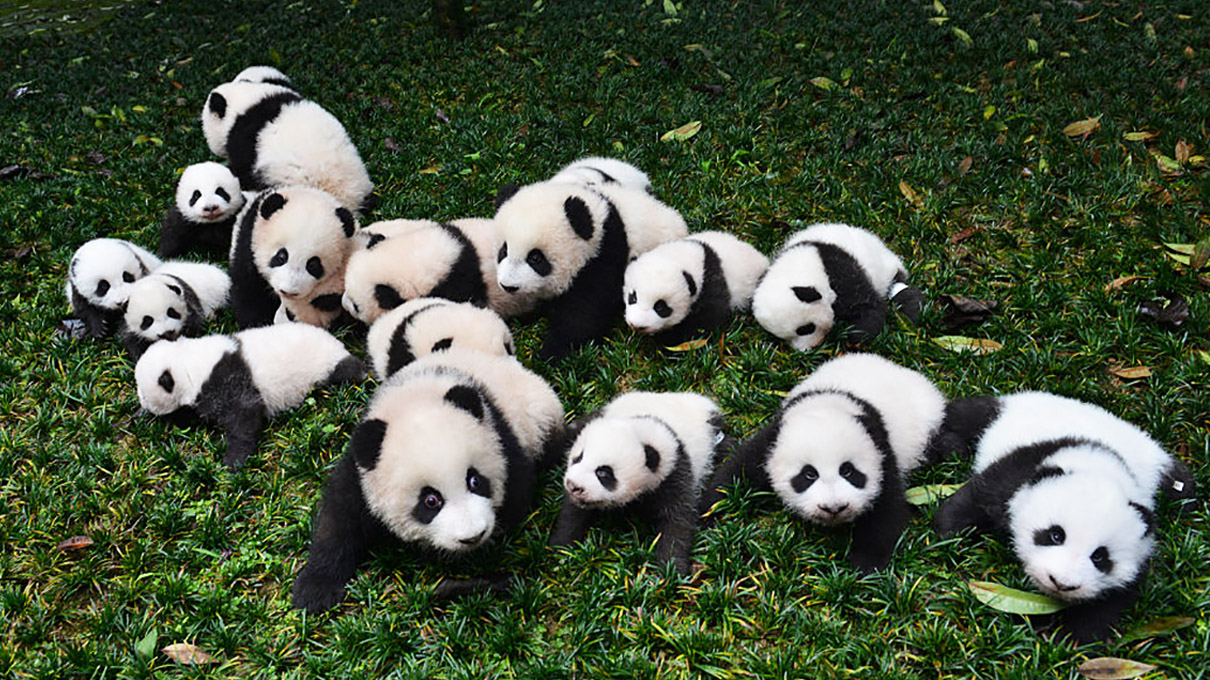
Pandas, also called giant pandas, are large, peaceful bears famous for their black-and-white fur and love for bamboo. They are one of the most beloved animals in the world and are mainly found in the mountains of China.
Pandas are gentle and calm but strong. They spend most of their time eating bamboo and resting. In this article, we will learn about pandas in simple words, including their appearance, habitat, diet, behavior, reproduction, and importance in nature.
What Is a Panda?
A panda is a bear with a round face, black patches around the eyes, black ears, and a thick white body. They have strong jaws and teeth to chew bamboo.
Adult pandas weigh between 70 to 120 kilograms and can grow up to 1.5 meters long. Despite their size, pandas are mostly calm and spend a lot of time resting.
They have a special “pseudo-thumb,” which is an extended wrist bone. This helps them hold bamboo while eating.
Where Do Pandas Live?
Pandas live in the mountain forests of central China. They prefer areas with thick bamboo forests and high rainfall.
The main regions where pandas are found include Sichuan, Shaanxi, and Gansu provinces. These areas are cold and misty, which pandas enjoy.
Pandas live alone for most of the year. They mark their territory using scent glands and leave signs to avoid other pandas.
What Do Pandas Eat?
Pandas are mostly herbivores, and bamboo makes up 99% of their diet. They eat the stems, leaves, and shoots of bamboo plants.
A panda can eat 12 to 38 kilograms of bamboo every day! They spend 10 to 16 hours a day eating.
Although pandas are mainly bamboo eaters, they sometimes eat:
-
Small rodents
-
Birds
-
Eggs
-
Other plants
Bamboo is low in nutrients, so pandas need to eat a lot to survive.
Panda Behavior
Pandas are mostly active during the day and at dawn and dusk. They are good climbers and swimmers.
They usually live alone, except during mating season or when a mother cares for her cubs. Pandas communicate using sounds like bleats, growls, and huffs.
They also use scent marking to tell other pandas about their presence. This helps avoid fights and keeps them safe.
Family Life of Pandas
Pandas give birth to one or two babies at a time, but usually only one survives. Baby pandas are called cubs.
Cubs are born very small and blind, weighing only about 100 grams. The mother carries and feeds the cub for several months, keeping it warm and safe.
Cubs stay with their mother for about 18 months before becoming independent. Mothers are very protective and teach their cubs how to eat bamboo and survive in the forest.
Are Pandas Dangerous?
Pandas are usually gentle and calm. They are not aggressive unless they feel threatened.
Even though they are mostly peaceful, pandas are very strong. A full-grown panda has sharp teeth and powerful jaws, which can be dangerous if someone tries to hurt it.
In the wild, pandas usually avoid humans and focus on eating bamboo and resting.
Importance of Pandas in Nature
Pandas play an important role in their ecosystem. By eating bamboo, they help control the growth of bamboo forests.
Pandas also help spread seeds through their droppings, which allows new plants to grow. Their presence indicates a healthy forest ecosystem, which also supports other animals like birds, small mammals, and insects.
Pandas are considered a “flagship species,” which means protecting pandas helps protect many other animals and plants in the same habitat.
Pandas and Humans
Humans have always admired pandas. They are symbols of peace and nature conservation.
Pandas were once endangered due to habitat loss and low birth rates. Conservation programs, including panda reserves and breeding programs, have helped their population recover.
Pandas also attract tourists, helping raise awareness about wildlife protection. Zoos and wildlife parks around the world help people learn about pandas and their habitats.
Interesting Facts About Pandas
-
Pandas spend most of their day eating bamboo.
-
They have a pseudo-thumb to help hold bamboo while eating.
-
Baby pandas are tiny, blind, and helpless at birth.
-
Pandas can climb trees and swim.
-
They communicate using sounds and scent marking.
-
Pandas are symbols of wildlife conservation worldwide.
-
Despite their calm nature, they are very strong and can defend themselves if needed.
Conclusion
Pandas are gentle, peaceful, and unique animals. Their love for bamboo, playful behavior, and calm nature make them one of the most loved animals in the world.
Protecting pandas is important not only for their survival but also for the health of the forests they live in. By saving pandas, we protect many other species and ensure that nature stays balanced.
Learning about pandas shows us how even a gentle animal can have a big impact on the environment and inspire humans to care for wildlife.
Read Also: Keep your face towards the sunshine and shadows will fall behind you
Watch Also: https://www.youtube.com/@TravelsofTheWorld24








Leave a Reply