
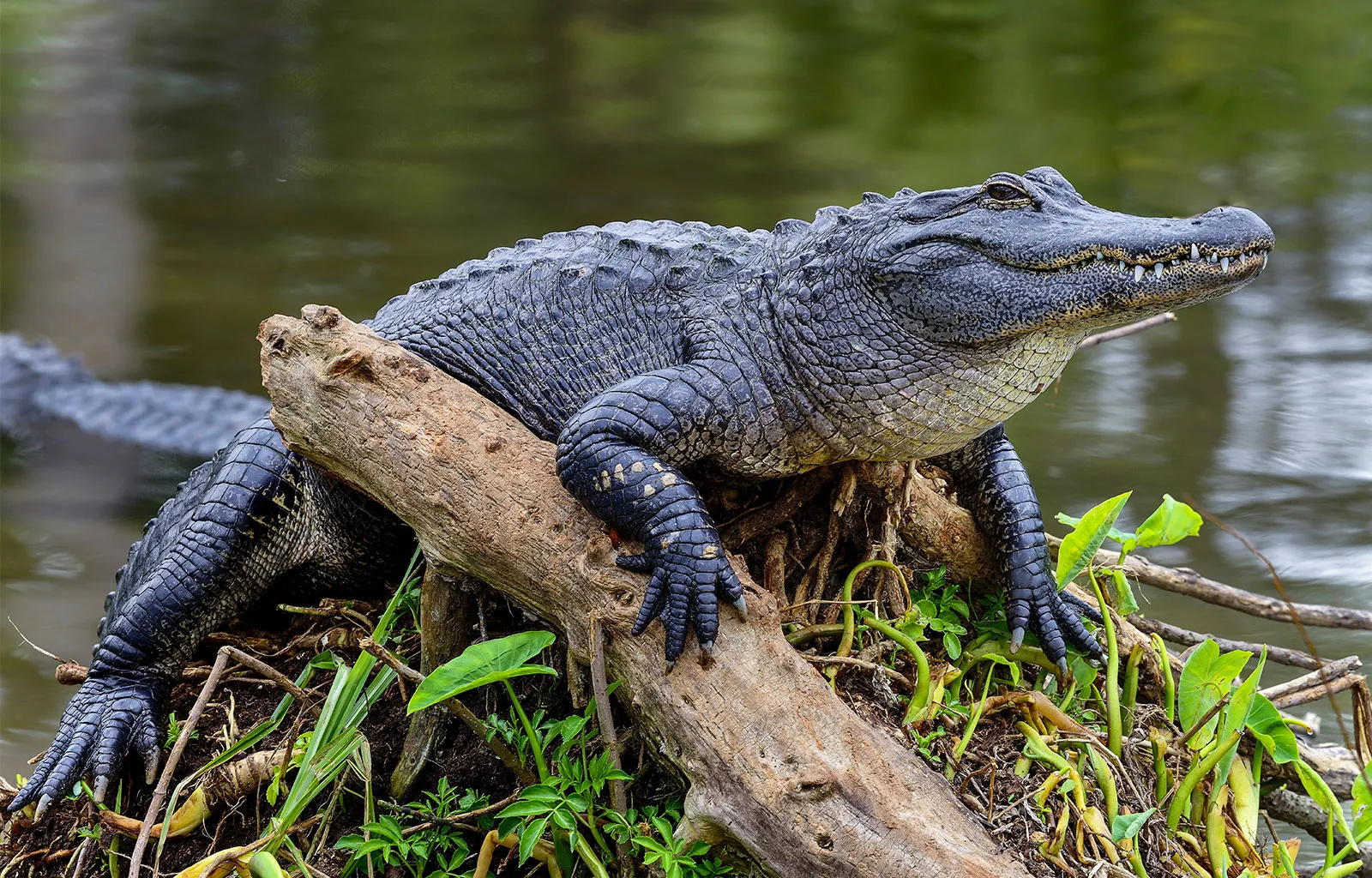
Crocodiles are large, powerful reptiles that have lived on Earth for millions of years. They are known for their strong jaws, sharp teeth, and stealthy hunting skills. Crocodiles are found in rivers, lakes, and swamps across Africa, Asia, the Americas, and Australia.
They are one of the oldest living reptiles, often called “living fossils,” because they have changed very little over millions of years. In this article, we will learn about crocodiles in simple words, including their types, habitat, diet, behavior, reproduction, and importance in nature.
What Is a Crocodile?
A crocodile is a large aquatic reptile with a long body, strong tail, and tough, scaly skin. They have:
-
Powerful jaws with sharp teeth
-
Eyes and nostrils on top of the head
-
Webbed feet for swimming
-
A long tail used for swimming and defense
Adult crocodiles can grow between 3 to 7 meters long, depending on the species. Some, like the saltwater crocodile, can weigh over 1,000 kilograms.
Crocodiles have excellent eyesight, hearing, and sense of smell, which makes them skilled hunters. They can stay underwater for long periods while waiting for prey.
Types of Crocodiles
There are many species of crocodiles, but some of the main ones include:
1. Nile Crocodile
Found in Africa, this crocodile is one of the largest species. It lives in rivers, lakes, and wetlands.
2. Saltwater Crocodile
Found in Australia and Southeast Asia, this is the largest living reptile. Saltwater crocodiles can travel in the sea and rivers.
3. American Crocodile
Found in Central and South America, this crocodile prefers rivers, estuaries, and coastal areas.
4. Indian Crocodile (Mugger Crocodile)
This species lives in India, Pakistan, and Sri Lanka. It is medium-sized and lives in rivers and lakes.
5. Other Species
Other crocodiles live in Africa, Asia, and the Americas. Each species has slightly different size, behavior, and habitat.
Where Do Crocodiles Live?
Crocodiles live in freshwater and brackish water habitats, such as:
-
Rivers
-
Lakes
-
Swamps
-
Estuaries
Some species, like the saltwater crocodile, can also live in coastal areas and small stretches of the sea.
Crocodiles prefer warm climates. They are cold-blooded reptiles, so they need sunlight to regulate their body temperature.
What Do Crocodiles Eat?
Crocodiles are carnivores, which means they eat meat. Their diet includes:
-
Fish
-
Birds
-
Mammals
-
Reptiles
-
Occasionally smaller crocodiles
Young crocodiles eat insects, small fish, and amphibians. Adult crocodiles can hunt large animals, such as zebras, antelopes, or buffalo that come near the water.
Crocodiles are patient hunters. They often stay underwater with only their eyes and nostrils above the surface, waiting for prey to come close.
Crocodile Behavior
Crocodiles are mostly solitary animals. They spend a lot of time in water but also bask in the sun on riverbanks.
They are territorial, especially large males. Males may fight each other for territory or mates.
Crocodiles communicate using sounds, body movements, and splashes. For example, young crocodiles call for help, and adults may roar to warn rivals.
Crocodiles are also very fast in short bursts. On land, they can run quickly over short distances to attack or escape.
Reproduction and Baby Crocodiles
Female crocodiles lay eggs in nests made of mud, sand, or vegetation. The number of eggs can range from 20 to 80, depending on the species.
The mother guards the nest and helps the baby crocodiles reach water after hatching. Baby crocodiles are called hatchlings.
The temperature of the nest affects the baby crocodiles’ gender. Warmer nests usually produce males, while cooler nests produce females.
Crocodiles grow slowly but can live for 50 to 70 years in the wild.
Are Crocodiles Dangerous?
Crocodiles are dangerous to humans if provoked or if people enter their territory. They are strong, fast, and have powerful jaws capable of crushing bones.
However, crocodiles do not usually hunt humans. Most attacks happen when people get too close to water where crocodiles live.
Crocodiles are top predators and play an important role in controlling populations of fish and other animals in their habitats.
Importance of Crocodiles in Nature
Crocodiles are important for ecosystems. They help keep fish populations balanced, which maintains healthy rivers and lakes.
Their nesting habits create small areas of sand and mud that help plants and other animals. Dead crocodiles provide food for scavengers like birds and insects.
By maintaining the balance of prey species, crocodiles help the entire ecosystem stay healthy.
Crocodiles and Humans
Humans have hunted crocodiles for their skin, meat, and teeth. Crocodile leather is highly valuable, which caused many populations to decline in the past.
Today, conservation programs protect crocodiles. Some species are still endangered, while others have stable populations due to protection efforts.
Crocodiles also attract tourists. Many people enjoy watching them in wildlife reserves or on guided river tours.
Interesting Facts About Crocodiles
-
Crocodiles can hold their breath underwater for up to two hours.
-
They have the strongest bite of any animal in the world.
-
Crocodiles can run up to 17 km/h (10 mph) on land in short bursts.
-
They can detect vibrations in water using special sensors on their jaws.
-
Crocodiles use their tails for swimming, defense, and hunting.
-
Some crocodiles live for more than 70 years.
Conclusion
Crocodiles are ancient, strong, and intelligent predators. Their hunting skills, long lifespan, and role in nature make them one of the most fascinating reptiles.
They help maintain healthy ecosystems and are a vital part of rivers, lakes, and wetlands. Protecting crocodiles ensures that these living fossils continue to survive for future generations to see.
Read Also: Keep your face towards the sunshine and shadows will fall behind you
Watch Also: https://www.youtube.com/@TravelsofTheWorld24






Leave a Reply