
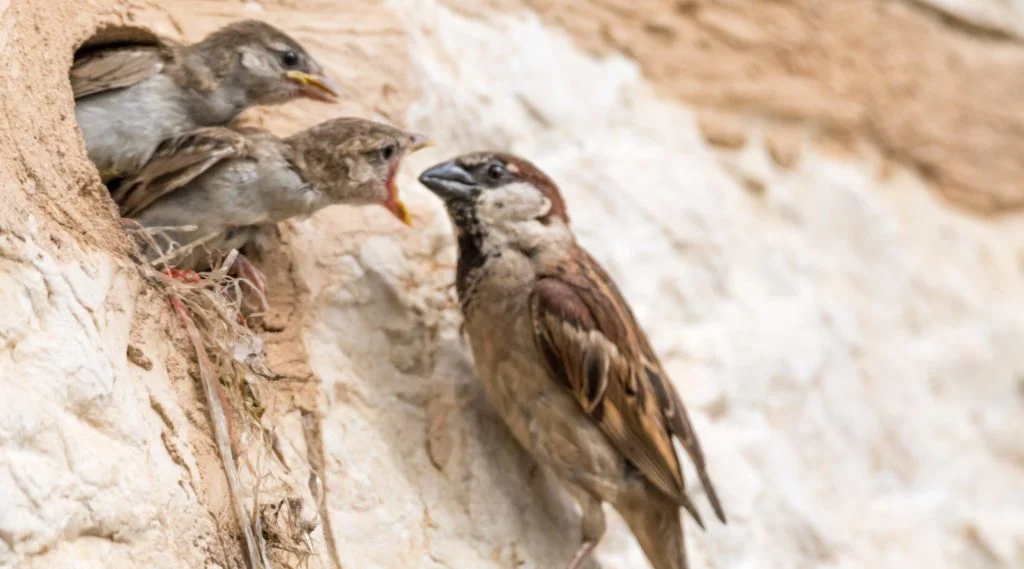
Sparrows are small, lively birds that are found almost everywhere in the world. Despite their tiny size, they play an important role in nature and are closely connected to humans. Known for their chirping songs, social behavior, and adaptability, sparrows are fascinating birds. This article explores everything about sparrows, including their appearance, behavior, habitat, diet, and importance in nature and culture.
What Is a Sparrow?
Sparrows belong to the bird family Passeridae, which includes over 30 species worldwide. The most common species is the House Sparrow (Passer domesticus), which lives close to humans in cities, towns, and farms.
Sparrows are small, active birds that are easily recognized by their chirping sounds and quick movements. They are social, often seen in flocks, and are excellent at finding food in urban and rural areas.
Physical Features of Sparrows
Sparrows have simple but effective physical features:
-
Size: Small birds, usually 5–7 inches long.
-
Color: Brown, gray, and white feathers. Males often have brighter markings, like black around the throat.
-
Beak: Short, thick, and strong for eating seeds.
-
Feet: Small, strong feet for perching on branches, wires, or ledges.
-
Wings: Short but strong, allowing for quick, agile flights.
-
Eyes: Small, dark eyes that give good vision for spotting food and predators.
Sparrows are lightweight and quick, which helps them avoid predators and navigate urban areas.
Where Do Sparrows Live?
Sparrows are extremely adaptable and can live in a variety of habitats:
-
Cities and towns: They thrive near human settlements, feeding on grains and scraps.
-
Farms and fields: They eat seeds and insects and build nests in barns or hedges.
-
Forests and woodlands: Some species live in trees and shrubs away from humans.
-
Grasslands and deserts: Certain sparrows are adapted to open, dry areas.
Their adaptability is why sparrows are found almost everywhere, from villages to large cities.
What Do Sparrows Eat?
Sparrows are omnivores, meaning they eat both plant and animal food:
-
Seeds and grains: Their main diet includes wheat, rice, and millet.
-
Fruits and berries: They eat small fruits and berries when available.
-
Insects and worms: Especially during breeding season, they feed chicks insects for protein.
-
Food scraps: In urban areas, sparrows eat crumbs and leftover food from humans.
Sparrows are opportunistic feeders, meaning they can eat whatever is available to survive.
Behavior of Sparrows
Sparrows are social, active, and intelligent birds:
-
Flocking: They live in groups for safety and social interaction.
-
Chirping: Their songs and calls are used to communicate with others and mark territory.
-
Nesting: Sparrows build small nests in trees, bushes, or man-made structures like vents or roofs.
-
Foraging: They hop around on the ground or in bushes, looking for seeds and insects.
-
Territorial: Males defend their territory during breeding season.
Sparrows are active during the day and rest at night, often in large groups.
Reproduction and Life Cycle
Sparrows reproduce by laying eggs:
-
Mating season: Usually in spring or early summer, depending on the region.
-
Nesting: Both males and females help build nests using twigs, feathers, and grasses.
-
Eggs: Females lay 3–6 small, speckled eggs.
-
Incubation: Usually 10–14 days, mainly by the female.
-
Hatchlings: Baby sparrows, called chicks, are fed insects and regurgitated food by parents.
-
Fledging: Chicks leave the nest after 2–3 weeks but may stay nearby under parental care.
Sparrows can produce multiple broods in a year, ensuring the survival of the population.
Predators and Threats
Sparrows face natural threats from:
-
Cats, snakes, and larger birds
-
Hawks and owls
-
Humans (hunting or habitat destruction)
Despite these threats, sparrows are common because they are adaptable and breed quickly.
Importance of Sparrows in Nature
Sparrows play an important role in ecosystems:
-
Seed dispersal: By eating seeds and dropping some elsewhere, they help plants grow.
-
Pest control: Eating insects helps control pest populations in crops and gardens.
-
Food source: They are prey for many predators, supporting the food chain.
-
Pollination: Some sparrows help pollinate flowers while feeding on nectar.
Without sparrows, insect populations could rise, and seed dispersal for some plants would decrease.
Sparrows and Humans
Sparrows have lived alongside humans for thousands of years:
-
Companions: They bring joy with their chirping and presence in gardens and cities.
-
Cultural significance: Sparrows symbolize simplicity, freedom, and community in literature and folklore.
-
Scientific research: Studies on sparrows help scientists understand bird behavior, migration, and ecology.
-
Urban ecosystem: They help keep insect populations under control and add biodiversity to cities.
Humans have influenced sparrow populations positively and negatively through urbanization and habitat changes.
Unique Sparrow Species
Some interesting species of sparrows include:
-
House Sparrow (Passer domesticus): Common in cities worldwide.
-
Tree Sparrow (Passer montanus): Lives in woodlands and farmlands, smaller and brown.
-
Spanish Sparrow (Passer hispaniolensis): Found in Europe and Africa, often in agricultural areas.
-
American Tree Sparrow (Spizelloides arborea): Found in North America, migratory species.
-
Song Sparrow (Melospiza melodia): Known for beautiful songs, common in North America.
Each species has adapted to its habitat and developed unique behaviors.
The Complete Guide to Sparrows: Diet, Behavior, and Nesting
Fun Facts About Sparrows
-
Sparrows are social and live in large flocks.
-
They are very quick and agile in flight.
-
Male sparrows sing to attract females and mark territory.
-
Sparrows have excellent survival skills in cities and rural areas.
-
Some species migrate seasonally, while others stay in the same place year-round.
Observing Sparrows
To observe sparrows safely and enjoyably:
-
Look for flocks: Sparrows are social and often seen in groups.
-
Listen for chirps: Their calls are frequent and easy to recognize.
-
Visit gardens, parks, and farms: Common places to spot them.
-
Use binoculars: Helps identify different species and behaviors.
Observing sparrows gives insight into social behavior, feeding habits, and bird ecology.
Conservation of Sparrows
While sparrows are common, some species are declining due to:
-
Habitat loss: Urbanization reduces nesting and feeding sites.
-
Pollution: Pesticides and chemicals affect food sources.
-
Climate change: Changes in weather affect migration and breeding.
Conservation efforts focus on protecting habitats, reducing pollution, and promoting awareness about the importance of sparrows.
Conclusion
Sparrows may be small, but they are powerful contributors to ecosystems and human environments. From their cheerful chirping to their social behavior and adaptability, sparrows are remarkable birds.
By understanding sparrows, respecting their habitats, and promoting conservation, humans can ensure that these lively little birds continue to thrive. Protecting sparrows helps maintain biodiversity, supports ecosystems, and keeps the natural world alive and vibrant.
Read Also: Keep your face towards the sunshine and shadows will fall behind you
Watch Also: https://www.youtube.com/@TravelsofTheWorld24





Leave a Reply