
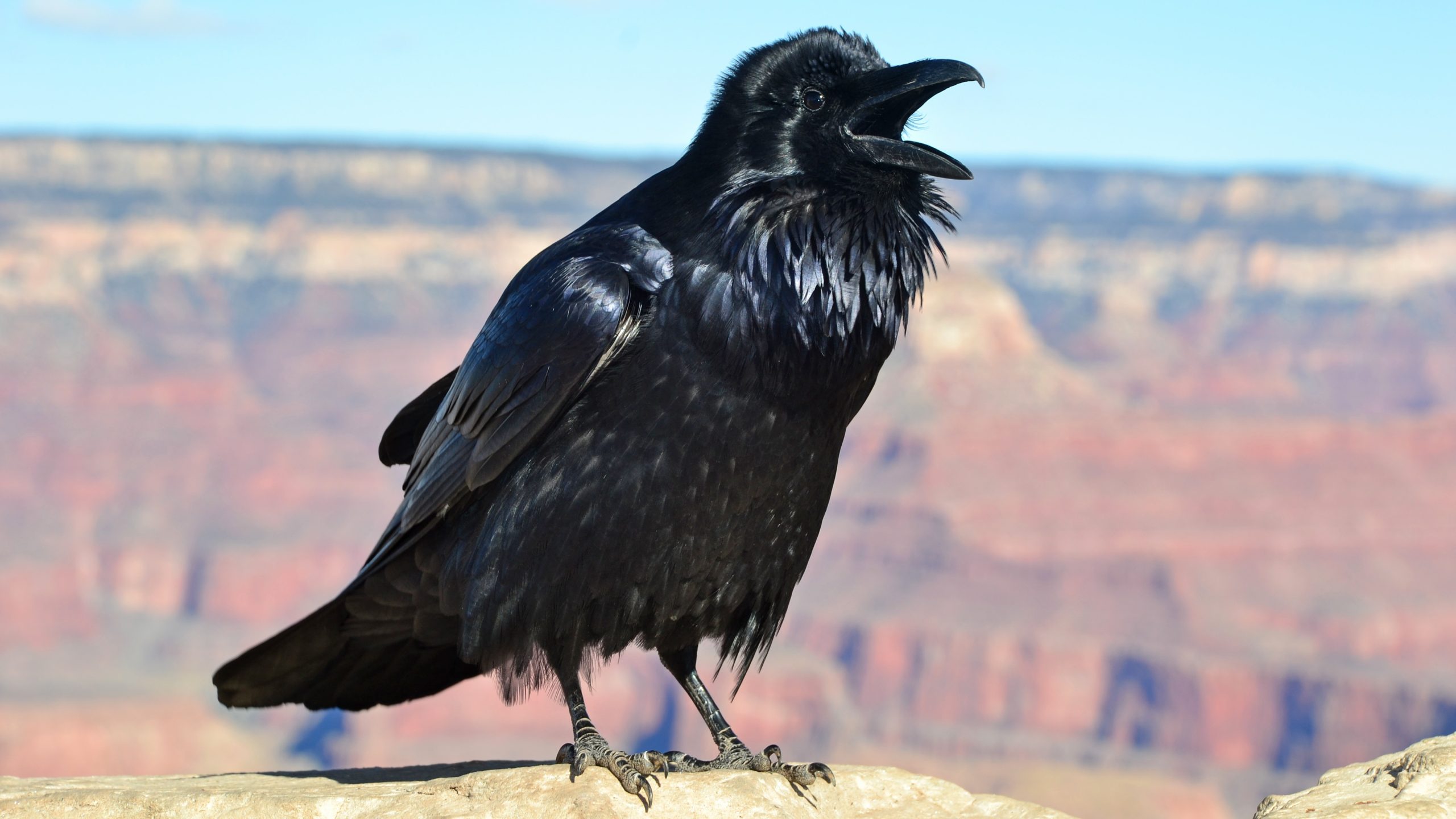
Ravens are large, black birds known for their intelligence, mysterious appearance, and amazing problem-solving abilities. They are found in many parts of the world and have fascinated humans for centuries. This article explores everything about ravens, including their appearance, behavior, habitat, diet, and importance in nature and culture.
What Is a Raven?
Ravens belong to the bird family Corvidae, which also includes crows, magpies, and jays. The most well-known species is the Common Raven (Corvus corax). Ravens are larger than crows and are known for their thick necks, shaggy throat feathers, and deep, croaking calls.
Ravens are highly intelligent birds, capable of using tools, solving complex problems, and even mimicking sounds from their environment. They have a long history of being part of myths, legends, and folklore in many cultures.
Physical Features of Ravens
Ravens have unique features that make them easy to identify:
-
Size: Large birds, about 24 inches long, with a wingspan of 3–4 feet.
-
Color: Shiny black feathers that sometimes have a bluish or purple sheen.
-
Beak: Large, strong, and curved for tearing food.
-
Feet: Strong with sharp claws for catching prey and perching.
-
Wings: Long and broad, allowing them to soar and glide for long distances.
-
Eyes: Dark and intelligent-looking, giving them a keen sense of sight.
Ravens are larger and heavier than crows, with a more wedge-shaped tail and thicker bill.
Where Do Ravens Live?
Ravens are highly adaptable and can live in a variety of habitats:
-
Forests: Dense forests and wooded areas are common homes.
-
Mountains and cliffs: Ravens often nest on high cliffs or rocky areas.
-
Deserts and tundra: Some species adapt to extreme climates.
-
Urban areas: They can live near towns and cities where food is available.
Ravens are found across North America, Europe, Asia, and parts of North Africa. They prefer areas with open spaces for flying and perching.
What Do Ravens Eat?
Ravens are omnivores, meaning they eat both plants and animals:
-
Small animals: Rodents, insects, eggs, and other birds.
-
Carrion: They often feed on dead animals.
-
Fruits and seeds: Berries, nuts, and grains.
-
Human food: In urban areas, ravens eat leftovers and trash.
Ravens are opportunistic feeders and use their intelligence to find food in many ways.
Behavior of Ravens
Ravens are social, clever, and highly adaptable birds:
-
Flying and soaring: They can fly long distances and glide on air currents.
-
Communication: Ravens make a variety of sounds, including croaks, clicks, and mimicry.
-
Problem-solving: They are known to use tools, drop nuts on roads to crack them, and work together to get food.
-
Play: Ravens engage in playful behaviors like sliding on snow, playing with sticks, or performing aerial acrobatics.
-
Territorial: They defend their nests and territories from other ravens and predators.
Ravens are intelligent and curious, often interacting with humans and their surroundings in unique ways.
Reproduction and Life Cycle
Ravens reproduce by laying eggs in nests built on cliffs, trees, or tall structures:
-
Mating season: Usually in late winter or early spring.
-
Nest building: Both male and female help build a large nest of sticks and moss.
-
Eggs: Typically 3–7 eggs per clutch, usually light-colored with dark spots.
-
Incubation: About 18–21 days, mainly by the female.
-
Hatchlings: Chicks are fed by both parents and grow rapidly.
-
Fledging: Young ravens leave the nest after 5–6 weeks but stay with parents for several months.
Ravens are long-lived birds, often living 10–15 years in the wild and sometimes over 40 years in captivity.
Predators and Threats
Ravens are powerful birds, but they face threats:
-
Large birds of prey like eagles and hawks
-
Humans through hunting, poisoning, or habitat destruction
-
Nest predators such as raccoons or snakes
Despite these threats, ravens are highly adaptable and often thrive in areas where humans are present.
Importance of Ravens in Nature
Ravens play a key role in ecosystems:
-
Clean-up: They eat carrion, helping to keep the environment clean.
-
Pest control: Eating rodents and insects helps reduce pest populations.
-
Food source: They are prey for larger predators in some regions.
-
Seed dispersal: By eating fruits and berries, they help plants spread.
Ravens also have cultural and scientific importance, showing intelligence and social behavior that attracts human interest.
Ravens and Humans
Ravens have a long history with humans:
-
Mythology: Ravens appear in Norse, Native American, and other myths as symbols of wisdom or mystery.
-
Scientific study: Their intelligence and problem-solving abilities are studied by scientists.
-
Observation: Bird watchers and nature enthusiasts enjoy watching their behaviors and aerial displays.
-
Urban life: Ravens often live near humans, scavenging food and interacting with urban ecosystems.
Humans have both helped and harmed ravens through feeding, urban development, and hunting.
Unique Raven Species
Some notable raven species include:
-
Common Raven (Corvus corax): Large, intelligent, widespread in the Northern Hemisphere.
-
Chihuahuan Raven (Corvus cryptoleucus): Found in the southwestern U.S. and Mexico, smaller than common ravens.
-
Australian Raven (Corvus coronoides): Found in Australia, known for its distinctive call.
-
White-necked Raven (Corvus albicollis): Found in Africa, larger with a white patch on its neck.
Each species adapts to its environment and has unique calls, behaviors, and appearances.
Fun Facts About Ravens
-
Ravens are among the most intelligent birds in the world.
-
They can mimic human speech and other sounds.
-
Ravens use tools to get food, like dropping nuts on roads for cars to crack.
-
They engage in play, including aerial stunts and sliding on snow.
-
Ravens often form long-term pair bonds and mate for life.
Observing Ravens
To watch ravens safely:
-
Look for open areas, cliffs, and forests: These are their favorite spots.
-
Listen for deep croaks: Ravens have loud, distinctive calls.
-
Use binoculars: Helps see details of behavior, flight, and interactions.
-
Observe from a distance: Avoid disturbing nests or feeding sites.
Watching ravens reveals their intelligence, social behavior, and role in nature.
Conservation of Ravens
Ravens are not endangered, but some species face threats:
-
Habitat loss due to deforestation and urbanization
-
Poisoning and hunting in some regions
-
Competition with other birds for food and nesting sites
Conservation efforts include protecting habitats, educating people, and studying their behavior to understand ecosystems.
Conclusion
Ravens are powerful, intelligent, and fascinating birds. From their glossy black feathers and deep calls to their problem-solving skills and playful behavior, they are one of nature’s most remarkable species.
By understanding ravens, respecting their habitats, and supporting conservation, humans can ensure these extraordinary birds continue to thrive. Protecting ravens maintains biodiversity, supports ecosystems, and allows people to appreciate one of the smartest birds on Earth.
Read Also: Keep your face towards the sunshine and shadows will fall behind you
Watch Also: https://www.youtube.com/@TravelsofTheWorld24





Leave a Reply