
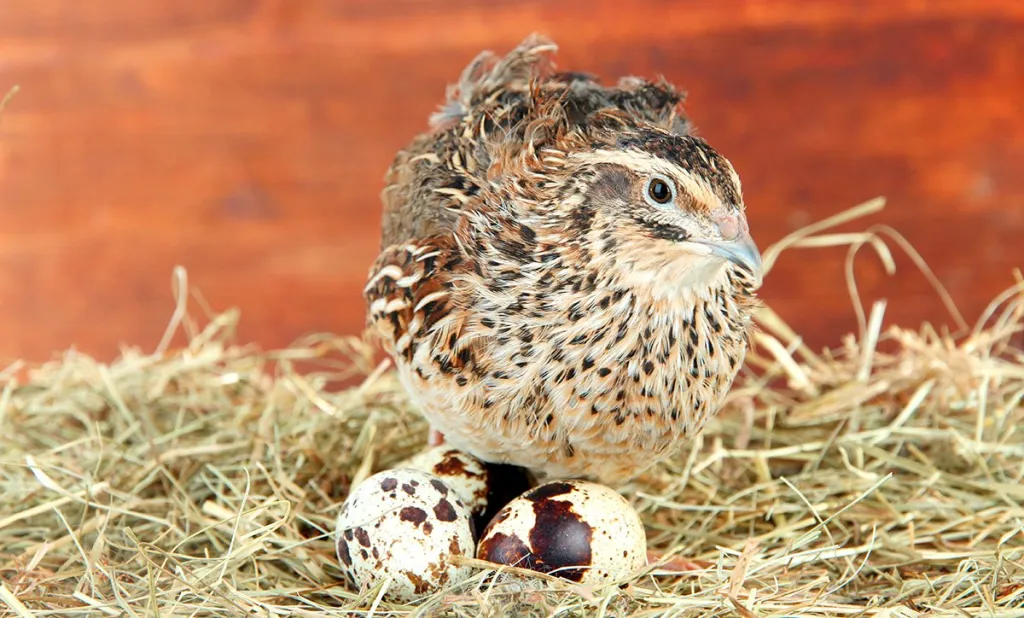
Quails are small, plump birds known for their quick movements, ground-dwelling habits, and gentle nature. Found in many parts of the world, they are admired for their colorful plumage, delicious eggs, and role in ecosystems. This article explores everything about quails, including their appearance, behavior, habitat, diet, and importance in nature and human life.
What Is a Quail?
Quails belong to the bird family Phasianidae, which also includes pheasants and partridges. They are small game birds, usually 5–7 inches long, with short tails and rounded bodies.
Quails are mostly ground-dwelling birds that prefer running to flying, although they can take short, rapid flights when threatened. Some quail species are kept domestically for eggs and meat, while others live wild in forests, grasslands, and farmland.
Physical Features of Quails
Quails have unique features that make them easy to identify:
-
Size: Small, plump birds, usually weighing 50–150 grams.
-
Color: Brown, gray, or buff with patterns like spots or stripes. Some species have bright markings on the head or chest.
-
Beak: Short and curved for pecking seeds and insects.
-
Feet: Small, strong feet for scratching the ground.
-
Wings: Short but strong, enabling quick bursts of flight.
-
Eyes: Small, dark, and alert for spotting predators.
Male quails are often slightly more colorful than females, especially during breeding season.
Where Do Quails Live?
Quails are highly adaptable and live in a variety of habitats:
-
Grasslands and meadows: Open areas with cover are ideal.
-
Forests and scrublands: Dense vegetation provides protection from predators.
-
Farms and agricultural areas: Quails forage for seeds and insects in cultivated fields.
-
Deserts and semi-arid regions: Some species adapt to dry climates.
Quails are found in North America, Europe, Asia, and Africa, depending on the species.
What Do Quails Eat?
Quails are omnivores with a preference for plant-based food:
-
Seeds and grains like millet, wheat, and corn
-
Small insects like beetles, grasshoppers, and ants
-
Green plants, shoots, and berries
-
Occasionally small worms or snails
Quails scratch the ground to find seeds and insects, helping control pests in their habitats.
Behavior of Quails
Quails are shy, social, and ground-loving birds:
-
Flocking: They often move in small groups called coveys, especially outside the breeding season.
-
Crowing and calling: Males make calls to attract females and mark territory.
-
Flight: Quails usually prefer to run but can make short, rapid flights when disturbed.
-
Scratching: They scratch the ground to uncover seeds and insects.
-
Camouflage: Their patterned feathers help them blend into grasslands and scrub areas.
Quails are alert and cautious, often hiding when humans or predators approach.
Reproduction and Life Cycle
Quails reproduce by laying eggs in nests on the ground:
-
Mating season: Usually spring or early summer, depending on location.
-
Nesting: Nests are shallow depressions lined with grass and leaves.
-
Eggs: Females lay 8–15 small, speckled eggs per clutch.
-
Incubation: About 16–24 days, mainly by the female.
-
Chicks: Hatchlings are precocial, meaning they can leave the nest shortly after hatching.
-
Growth: Chicks grow quickly, learning to forage and fly within a few weeks.
Quails can raise multiple broods in a year, ensuring healthy population growth.
Predators and Threats
Quails face many threats from nature and humans:
-
Birds of prey like hawks and eagles
-
Foxes, snakes, and small mammals
-
Habitat destruction due to farming or urbanization
-
Hunting for meat or sport
Quails rely on camouflage, quick running, and short flights to escape predators.
Importance of Quails in Nature and Human Life
Quails play important roles in ecosystems and human life:
-
Pest control: Eating insects helps protect crops.
-
Seed dispersal: Eating and moving seeds helps plants grow in new areas.
-
Food source: Quails provide eggs and meat for humans.
-
Biodiversity: They support predators and maintain ecosystem balance.
-
Cultural significance: Quails are part of hunting traditions, folklore, and domestic farming.
Quails are small but significant contributors to nature and agriculture.
Unique Quail Species
Some notable quail species include:
-
Common Quail (Coturnix coturnix): Found in Europe, Asia, and Africa; migratory.
-
Bobwhite Quail (Colinus virginianus): North American species, popular in hunting.
-
Japanese Quail (Coturnix japonica): Domesticated for eggs and meat.
-
California Quail (Callipepla californica): Recognizable by the topknot feather on the head.
-
King Quail (Excalfactoria chinensis): Small, colorful species often kept as pets.
Each species has adapted to its environment with unique calls, plumage, and behaviors.
Fun Facts About Quails
-
Quails can run very fast and prefer ground movement over long flights.
-
Their eggs are small but nutritious and often speckled for camouflage.
-
Quails are social and communicate with soft calls within coveys.
-
Some species migrate long distances, while others stay in the same area year-round.
-
Quails can live 2–5 years in the wild, longer in captivity.
Observing Quails
To observe quails safely:
-
Visit grasslands, forests, or farmlands: Best places to see them.
-
Listen for calls: Soft, repetitive whistles and chirps help locate quails.
-
Use binoculars: Helps watch behaviors without disturbing them.
-
Respect nests: Avoid stepping on nests or approaching chicks.
Watching quails provides insight into ground-dwelling bird behavior, social structures, and survival strategies.
Conservation of Quails
Some quail species face threats from habitat loss, hunting, and climate change:
-
Protect grasslands, forests, and farmlands to provide safe habitats.
-
Regulate hunting to prevent population decline.
-
Monitor populations to maintain biodiversity and ecological balance.
Conservation ensures quails continue to thrive in the wild and contribute to ecosystems.
Quails and Humans
Quails have been closely connected to humans for centuries:
-
Farming: Domesticated for eggs, meat, and ornamental purposes.
-
Hunting: Popular game birds in many regions.
-
Scientific research: Japanese quails are often used in studies on genetics and behavior.
-
Cultural significance: Quails appear in folklore, art, and culinary traditions.
Humans benefit from quails while also needing to protect them in the wild.
Conclusion
Quails may be small, but they are fascinating and important birds. From their quick movements and beautiful plumage to their role in ecosystems and human life, quails are remarkable.
By understanding quails, protecting their habitats, and practicing responsible farming and hunting, humans can ensure these charming birds continue to thrive. Quails are a vital part of nature, agriculture, and culture, making them truly special birds.
Read Also: Keep your face towards the sunshine and shadows will fall behind you
Watch Also: https://www.youtube.com/@TravelsofTheWorld24





Leave a Reply