
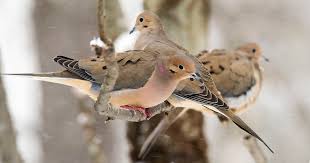
Doves are small to medium-sized birds known for their gentle nature, soft cooing, and symbolism of peace. They are found in almost every part of the world and have a long history of living alongside humans. This article explores everything about doves, including their appearance, behavior, habitat, diet, and significance in nature and culture.
What Is a Dove?
Doves belong to the bird family Columbidae, which also includes pigeons. While pigeons are often larger and more common in cities, doves are typically smaller, more delicate, and graceful.
There are over 300 species of doves worldwide, including the well-known Mourning Dove, Eurasian Collared-Dove, and the White Dove. Doves are often associated with peace, love, and spirituality in many cultures.
Physical Features of Doves
Doves have unique features that make them easy to identify:
-
Size: Usually 8–12 inches long, depending on the species.
-
Color: Soft colors like white, gray, brown, or pale pink. Some have patterns or collars around the neck.
-
Beak: Small and slender, suitable for picking seeds and grains.
-
Feet: Small, pinkish, and strong for perching.
-
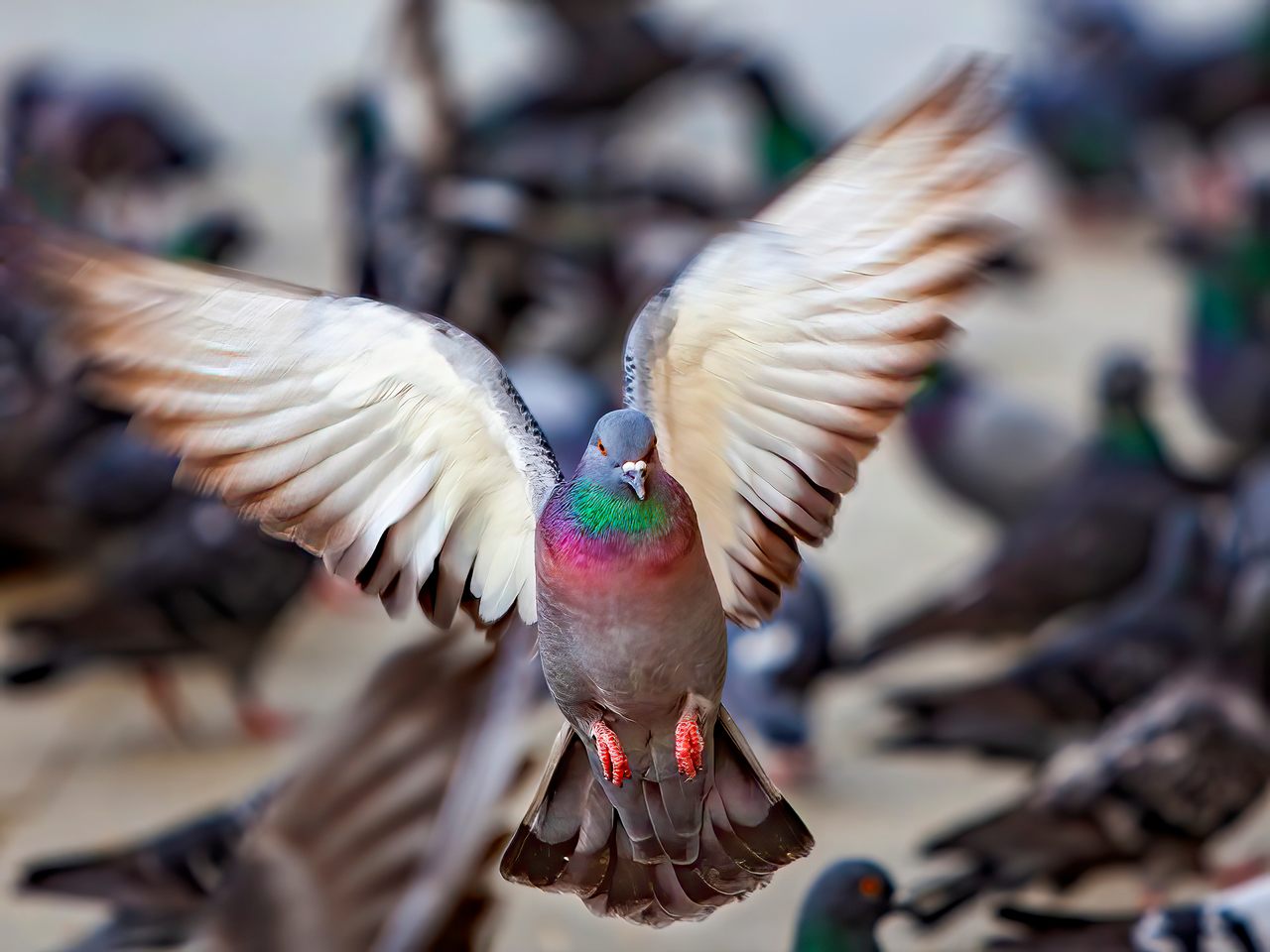
Wings: Long and pointed for steady, fast flight.
-
Eyes: Round and dark, often expressive, giving a gentle appearance.
White doves are especially famous for ceremonial releases and symbolic purposes.
Where Do Doves Live?
Doves are highly adaptable and can live in many habitats:
-
Forests and woodlands: Many species nest in trees and shrubs.
-
Grasslands and farmlands: They feed on grains and seeds in open areas.
-
Urban areas: Some doves, like the Eurasian Collared-Dove, thrive near human settlements.
-
Deserts and semi-arid areas: Certain species are adapted to dry climates.
Doves prefer areas with food, water, and safe nesting sites.
What Do Doves Eat?
Doves are mainly herbivores:
-
Seeds and grains: Their main diet includes wheat, millet, corn, and other grains.
-
Fruits and berries: They eat small fruits when available.
-
Vegetables: Some species eat tender plant shoots.
-
Insects: Occasionally, doves eat small insects for protein, especially when feeding chicks.
Doves are ground feeders, often seen pecking on the soil for seeds and grains.
Behavior of Doves
Doves are calm, social, and intelligent birds:
-
Flocking: They often move in pairs or small groups. Large flocks are common in fields and towns.
-
Cooing: Soft cooing is used for communication, courtship, and marking territory.
-
Nesting: Doves build simple nests of twigs and leaves, usually in trees or shrubs.
-
Courtship: Males display puffed-up chests, coo, and perform flight displays to attract females.
-
Flight: Doves have strong wings and can fly fast in straight lines.
Doves are mostly gentle and avoid conflict, relying on flight to escape predators.
Reproduction and Life Cycle
Doves reproduce by laying eggs:
-
Mating season: Varies by species and climate, often in spring or early summer.
-
Nest building: Both male and female participate in building simple nests.
-
Eggs: Usually 1–2 white eggs per clutch.
-
Incubation: About 14–16 days, shared by both parents.
-
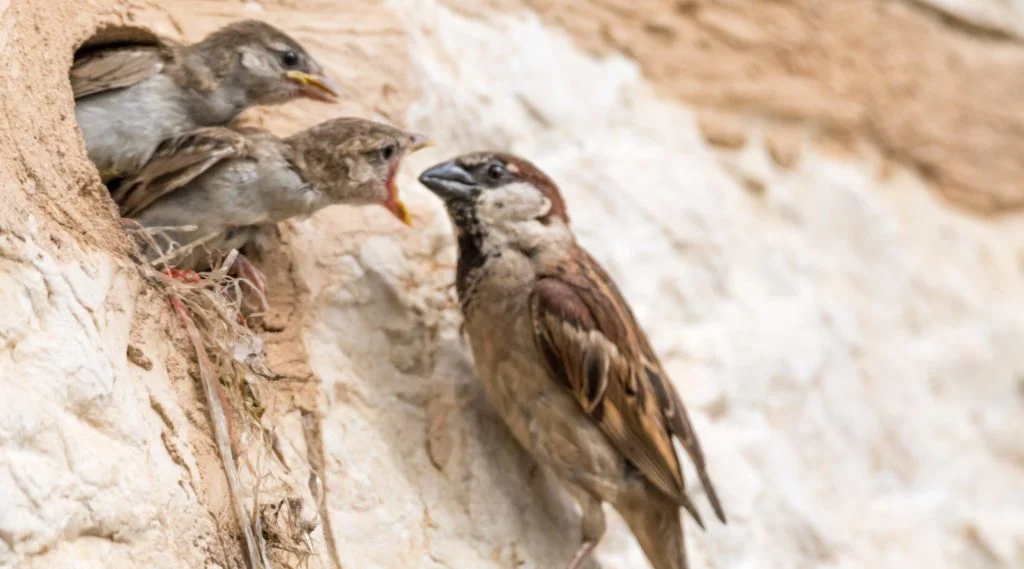
Hatchlings: Chicks are called squabs; born blind and featherless, fed “pigeon milk” from the parents’ crop.
-
Fledging: Chicks leave the nest after 2–3 weeks.
Doves can raise multiple broods each year, ensuring the survival of the species.
Predators and Threats
Doves face threats from both nature and humans:
-
Hawks, falcons, and owls
-
Snakes and small mammals
-
Habitat loss due to urbanization and deforestation
-
Hunting in some regions for food or sport
Despite these threats, doves are widespread due to their adaptability and high reproductive rate.
Importance of Doves in Nature
Doves play important roles in ecosystems:
-
Seed dispersal: Eating fruits and seeds helps plants grow in new areas.
-
Pest control: Occasional insect feeding helps manage small pest populations.
-
Food source: They are prey for birds of prey and other predators.
-
Ecosystem balance: Doves contribute to biodiversity and natural food chains.
Without doves, some seeds might not disperse effectively, and predators would lose a source of food.
Doves and Humans
Doves have a long history with humans:
-
Symbolism: Represent peace, love, and spirituality in many cultures.
-
Ceremonial use: White doves are released at weddings, memorials, and ceremonies.
-
Domestication: Kept for beauty, racing, and companionship.
-
Scientific research: Studies on doves help understand behavior, navigation, and communication.
Humans have influenced dove populations both positively through care and breeding and negatively through hunting and habitat changes.
Unique Dove Species
Some notable dove species include:
-
Mourning Dove (Zenaida macroura): Common in North America, soft gray-brown with a long tail.
-
Eurasian Collared-Dove (Streptopelia decaocto): Pale gray, common in urban areas.
-
White Dove (Columba livia domestica): Used symbolically and in ceremonies.
-
Rock Dove (Columba livia): Ancestor of domestic pigeons, found worldwide.
-
Victoria Crowned Pigeon (Goura victoria): Large, striking bird from New Guinea with crown feathers.
Each species has adapted to its environment and has unique appearances and behaviors.
Fun Facts About Doves
-
Doves mate for life and show strong pair bonds.
-
Their cooing can be heard over long distances.
-
White doves are symbols of peace and are often used in ceremonies.
-
Doves feed their chicks with nutrient-rich “pigeon milk.”
-
Some doves, like the Mourning Dove, migrate seasonally.
Observing Doves
To observe doves safely and enjoyably:
-
Visit gardens, parks, and forests: Common habitats for different species.
-
Listen for cooing sounds: Helps locate them.
-
Use binoculars: Helps watch details of feathers, behavior, and courtship.
-
Respect their space: Avoid disturbing nests and resting areas.
Observing doves teaches us about gentle bird behavior, communication, and life in nature.
Conservation of Doves
While many dove species are common, some are declining due to:
-
Habitat loss and urbanization
-
Hunting and trapping
-
Pollution affecting food and water sources
Conservation efforts include protecting habitats, reducing hunting, and educating people about the importance of doves in ecosystems.
Conclusion
Doves are gentle, beautiful birds with a significant role in nature and human culture. From their soft cooing and graceful flight to their symbolic meaning and ecological contributions, doves are truly remarkable.
By understanding doves, respecting their habitats, and supporting conservation, humans can ensure these peaceful birds continue to thrive. Protecting doves helps maintain biodiversity, supports ecosystems, and keeps the natural world rich and balanced.
Read Also: Keep your face towards the sunshine and shadows will fall behind you
Watch Also: https://www.youtube.com/@TravelsofTheWorld24





Leave a Reply