
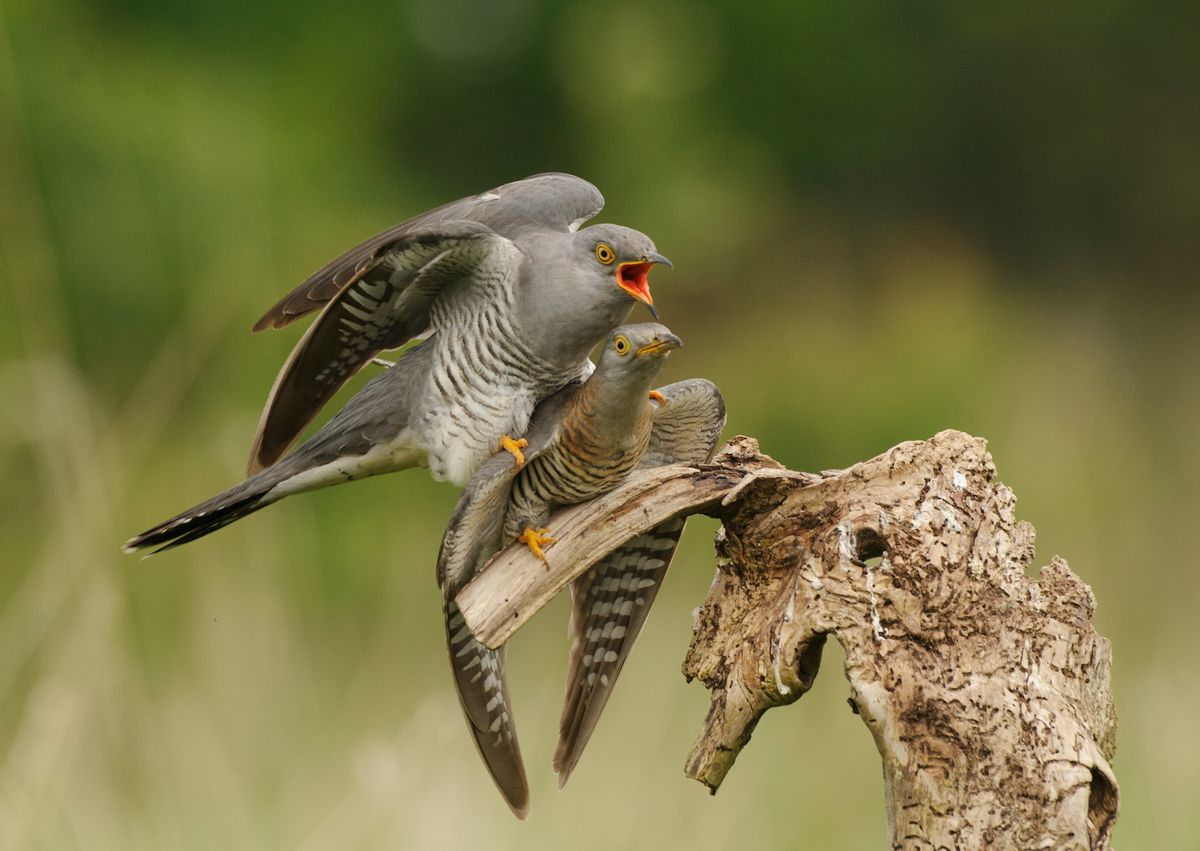
Cuckoos are fascinating birds known for their beautiful calls, unique behavior, and sometimes unusual breeding habits. Found in many parts of the world, they have captured human attention for centuries. This article explores everything about cuckoos, including their appearance, behavior, habitat, diet, and importance in nature and culture.
What Is a Cuckoo?
Cuckoos belong to the bird family Cuculidae, which includes over 140 species worldwide. They are medium-sized birds, often slender, with long tails and strong wings.
Cuckoos are famous for their distinctive calls, often heard during the breeding season, and for some species’ unusual behavior of laying eggs in other birds’ nests, a strategy known as brood parasitism.
Physical Features of Cuckoos
Cuckoos have several characteristics that make them recognizable:
-
Size: Medium-sized birds, usually 12–16 inches long.
-
Color: Often gray, brown, or a mix of colors with barred patterns on the tail or wings. Some species have bright markings.
-
Beak: Medium-length, slightly curved for catching insects.
-
Feet: Strong with zygodactyl toes (two toes forward, two backward) for gripping branches.
-
Wings: Long and pointed, allowing fast, agile flight.
-
Eyes: Sharp, dark eyes that give excellent vision.
Cuckoos have a slender, streamlined body built for flying long distances during migration.
Where Do Cuckoos Live?
Cuckoos are highly adaptable and can live in various habitats:
-
Forests and woodlands: Many species live in dense forests and tree canopies.
-
Grasslands and meadows: Open areas with scattered trees are also home to some cuckoos.
-
Farmlands: Some cuckoos adapt to agricultural areas.
-
Urban areas: Rarely, cuckoos may be seen in parks or gardens.
Many cuckoo species are migratory, traveling thousands of miles between breeding and wintering grounds.
What Do Cuckoos Eat?
Cuckoos are mainly insectivores, feeding on a variety of insects and other small prey:
-
Caterpillars, including hairy or toxic species that other birds avoid
-
Beetles, grasshoppers, and crickets
-
Small reptiles or amphibians occasionally
-
Fruits and seeds in some species
Cuckoos are clever foragers and can catch insects in flight or pick them off leaves and branches.
Behavior of Cuckoos
Cuckoos have interesting and sometimes secretive behavior:
-
Vocalizations: Many cuckoos have loud, repetitive calls, often signaling territory or attracting mates.
-
Brood parasitism: Some cuckoo species lay eggs in other birds’ nests, leaving the host birds to raise the chicks.
-
Flying: Strong and agile fliers, capable of long migrations.
-
Territorial: Males defend their area with calls and displays.
-
Solitary: Most cuckoos are solitary, especially outside the breeding season.
Cuckoos are intelligent and resourceful, using clever strategies to survive and reproduce.
Reproduction and Life Cycle
Cuckoos have a unique reproductive strategy, especially in brood-parasitic species:
-
Mating season: Usually in spring or early summer.
-
Egg-laying: Brood-parasitic cuckoos lay eggs in the nests of other birds, matching the host eggs in color and size. Non-parasitic cuckoos build their own nests.
-
Eggs: Typically 2–4 eggs per clutch, depending on species.
-
Incubation: Host birds usually incubate the eggs in parasitic species.
-
Chicks: Young cuckoos often hatch earlier and may push out host eggs or chicks to get all the food.
-
Fledging: Young cuckoos leave the nest after a few weeks, depending on species.
This reproductive strategy allows cuckoos to avoid the energy cost of raising chicks themselves.
Predators and Threats
Cuckoos face threats from both nature and humans:
-
Birds of prey like hawks and falcons
-
Snakes and mammals that raid nests
-
Habitat loss due to deforestation and urbanization
-
Climate change affecting migration and food availability
Despite these threats, many cuckoo species remain widespread, while some are declining due to habitat loss.
Importance of Cuckoos in Nature
Cuckoos play important roles in ecosystems:
-
Pest control: Eating caterpillars and insects helps protect crops and plants.
-
Seed dispersal: Fruit-eating species help spread seeds.
-
Biodiversity: They are part of complex food webs, supporting predators and prey balance.
-
Indicator species: Cuckoo presence often indicates a healthy environment.
Cuckoos are a vital part of nature, maintaining balance in insect populations and ecosystems.
Cuckoos and Humans
Cuckoos have fascinated humans for centuries:
-
Folklore and mythology: Cuckoos symbolize spring, fertility, and sometimes mystery in many cultures.
-
Scientific study: Their brood-parasitic behavior has been widely studied to understand evolution and animal behavior.
-
Bird watching: Their calls and migratory patterns make them popular with bird enthusiasts.
-
Cultural significance: The sound of a cuckoo often marks seasonal changes in many regions.
Humans have admired and observed cuckoos, learning much about bird behavior through them.
Unique Cuckoo Species
Some notable cuckoo species include:
-
Common Cuckoo (Cuculus canorus): Famous for brood parasitism and “cuckoo” call.
-
Greater Coucal (Centropus sinensis): Large, non-parasitic cuckoo found in Asia.
-
Black-billed Cuckoo (Coccyzus erythropthalmus): North American species, migratory.
-
Chestnut-breasted Cuckoo (Cacomantis castaneiventris): Found in Australia and New Guinea.
-
Lesser Cuckoo (Cuculus poliocephalus): Smaller species, migratory in Asia and Africa.
Each species has adapted to its environment, with unique calls, colors, and behaviors.
Fun Facts About Cuckoos
-
Cuckoo calls are often the first sign of spring in many regions.
-
Brood-parasitic cuckoos may remove host eggs to ensure their chicks survive.
-
Cuckoos are excellent migratory birds, traveling thousands of miles.
-
They can mimic calls of other birds in some cases.
-
Cuckoos are clever and resourceful, using strategies to avoid predators and compete for food.
Observing Cuckoos
To observe cuckoos safely:
-
Listen for calls: Their distinctive “cuckoo” sound is the easiest way to locate them.
-
Visit forests, meadows, and wetlands: Common habitats for many species.
-
Use binoculars: Helps watch details without disturbing them.
-
Observe from a distance: Avoid nests and sensitive areas during breeding.
Watching cuckoos provides insight into clever behavior, migration, and unique reproductive strategies.
Conservation of Cuckoos
Many cuckoo species are not endangered, but some face threats:
-
Habitat destruction and deforestation
-
Hunting in some regions
-
Climate change affecting migration and food availability
Conservation efforts focus on protecting habitats, reducing hunting, and monitoring populations to ensure cuckoos continue to thrive.
Conclusion
Cuckoos are fascinating, clever, and beautiful birds. From their iconic calls and long migrations to their unique reproductive strategies, they are an important part of nature.
By understanding cuckoos, respecting their habitats, and supporting conservation, humans can ensure these remarkable birds continue to thrive. Protecting cuckoos helps maintain biodiversity, supports ecosystems, and allows people to enjoy one of the most unique songbirds in the world.
Read Also: Keep your face towards the sunshine and shadows will fall behind you
Watch Also: https://www.youtube.com/@TravelsofTheWorld24





Leave a Reply