
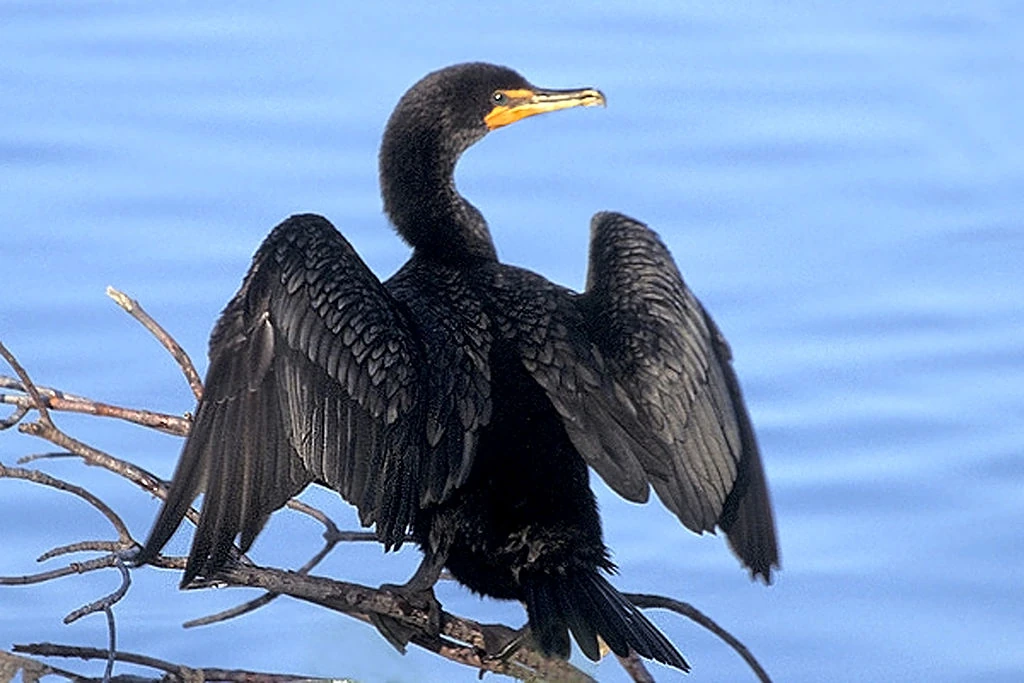
Cormorants are medium-to-large water birds known for their fishing skills, sleek bodies, and long, hooked bills. They are found near rivers, lakes, coasts, and wetlands worldwide. This article explores everything about cormorants, including their appearance, behavior, habitat, diet, and importance in nature and human life.
What Is a Cormorant?
Cormorants belong to the bird family Phalacrocoracidae, which includes about 40 species globally. They are excellent swimmers and divers, using their webbed feet to propel themselves underwater in search of fish.
Cormorants are recognized for their long necks, strong bills, and distinctive postures, often seen drying their wings in the sun. They have been admired for centuries for their hunting skills and even trained by humans in some cultures to catch fish.
Physical Features of Cormorants
Cormorants have features that make them unique among water birds:
-
Size: Medium-to-large, 28–40 inches in length, with a wingspan of 45–60 inches.
-
Color: Mostly dark feathers, black or brown, sometimes with a green or blue sheen.
-
Beak: Long, hooked, and strong for catching slippery fish.
-
Feet: Fully webbed for efficient swimming.
-
Neck: Long and flexible for striking at fish underwater.
-
Eyes: Often green, blue, or dark, with sharp vision to spot prey underwater.
Cormorants have streamlined bodies that allow them to move quickly in water and air.
Where Do Cormorants Live?
Cormorants are highly adaptable and live in various aquatic habitats:
-
Coastal areas: Shores, cliffs, and estuaries provide feeding and nesting sites.
-
Freshwater lakes and rivers: Many species thrive in inland water bodies.
-
Wetlands and marshes: These areas are rich in fish and provide protection.
-
Islands: Some species nest on isolated islands to avoid predators.
Cormorants are found on all continents except Antarctica, favoring areas with abundant fish.
What Do Cormorants Eat?
Cormorants are primarily fish-eaters:
-
Fish: Small to medium-sized fish are their main diet.
-
Aquatic invertebrates: Crustaceans, amphibians, and insects occasionally.
-
Hunting method: They dive from the water surface and chase prey underwater.
Cormorants swallow fish headfirst to avoid injury from spines or fins. They can dive up to 200 feet in some species, staying submerged for several minutes.
Behavior of Cormorants
Cormorants are skilled, social, and observant birds:
-
Swimming and diving: They swim underwater using feet and wings to chase fish.
-
Flying: Strong fliers, often seen in groups flying in V-formations.
-
Resting posture: Spread wings to dry after swimming; cormorant feathers are less waterproof than ducks.
-
Social behavior: Many species nest in colonies, sometimes thousands of birds together.
-
Territoriality: Some species defend nesting areas aggressively.
Cormorants are intelligent and adaptive, able to hunt in rivers, lakes, or seas.
Reproduction and Life Cycle
Cormorants reproduce by laying eggs in nests built in colonies:
-
Mating season: Usually spring or early summer.
-
Nest building: Made of sticks, reeds, or seaweed, often on trees, cliffs, or rocky islands.
-
Eggs: Typically 3–5 eggs per clutch, pale blue or green.
-
Incubation: About 25–35 days, both parents take turns.
-
Chicks: Born helpless, fed regurgitated fish by parents.
-
Fledging: Young leave the nest after 6–10 weeks but may stay with parents longer.
Cormorants often return to the same nesting colonies year after year.
Predators and Threats
Cormorants face threats from both nature and humans:
-
Birds of prey like eagles and hawks
-
Large mammals that raid nests
-
Habitat destruction, water pollution, and overfishing
-
Hunting in some regions for feathers or sport
Despite these threats, many cormorant species remain common and widespread.
Importance of Cormorants in Nature
Cormorants play vital roles in ecosystems:
-
Controlling fish populations: Prevent overpopulation in lakes and rivers.
-
Food source: Prey for eagles, large fish, and mammals in some areas.
-
Indicator species: Healthy populations indicate a balanced aquatic ecosystem.
-
Nutrient cycling: Guano enriches soil on islands and riverbanks.
Cormorants help maintain the balance of aquatic ecosystems.
Cormorants and Humans
Cormorants have a long history with humans:
-
Fishing: In China, Japan, and other countries, cormorants are trained to catch fish.
-
Observation: Birdwatchers enjoy studying their diving and social behavior.
-
Cultural symbolism: Represent patience, skill, and adaptability in folklore and art.
-
Conservation focus: Protecting cormorants helps conserve aquatic ecosystems.
Humans have both used and impacted cormorants, highlighting the need for sustainable practices.
Unique Cormorant Species
Some notable species include:
-
Great Cormorant (Phalacrocorax carbo): Large, widespread in Europe, Asia, and Africa.
-
Double-crested Cormorant (Nannopterum auritum): Common in North America.
-
Little Cormorant (Microcarbo niger): Small species found in South Asia.
-
Flightless Cormorant (Phalacrocorax harrisi): Found in the Galapagos Islands; cannot fly.
-
Neotropic Cormorant (Nannopterum brasilianum): Widespread in Central and South America.
Each species has adapted to its habitat with unique behaviors, sizes, and nesting strategies.
Fun Facts About Cormorants
-
Cormorants have less waterproof feathers, which helps them dive efficiently.
-
They often dry their wings in a “wing-spreading” posture.
-
Some cormorants can dive over 200 feet deep and stay underwater for several minutes.
-
Cormorants often fish in groups, driving schools of fish toward shallow water.
-
Flightless cormorants evolved on islands without predators, showing unique adaptations.
Observing Cormorants
To watch cormorants safely:
-
Visit lakes, rivers, or coastal areas: Ideal habitats for diving birds.
-
Look for wing-drying behavior: Cormorants often perch on rocks or posts.
-
Use binoculars: Helps observe hunting, diving, and social interactions.
-
Respect colonies: Avoid disturbing nests, especially during breeding season.
Observing cormorants provides insight into bird intelligence, teamwork, and survival strategies.
Conservation of Cormorants
Some species are threatened due to:
-
Habitat destruction and water pollution
-
Overfishing reducing available prey
-
Hunting and disturbance at nesting colonies
Conservation efforts include protecting habitats, regulating fishing, and educating the public about their ecological importance.
Conclusion
Cormorants are skilled, social, and fascinating birds that play an essential role in aquatic ecosystems. From their expert fishing abilities and striking wing-drying posture to their social colonies and long lifespans, cormorants are truly remarkable.
By understanding cormorants, protecting their habitats, and practicing sustainable fishing and conservation, humans can ensure these incredible birds continue to thrive. Cormorants are not only master fishers but also vital contributors to healthy lakes, rivers, and coastal environments.
Read Also: Keep your face towards the sunshine and shadows will fall behind you
Watch Also: https://www.youtube.com/@TravelsofTheWorld24





Leave a Reply