
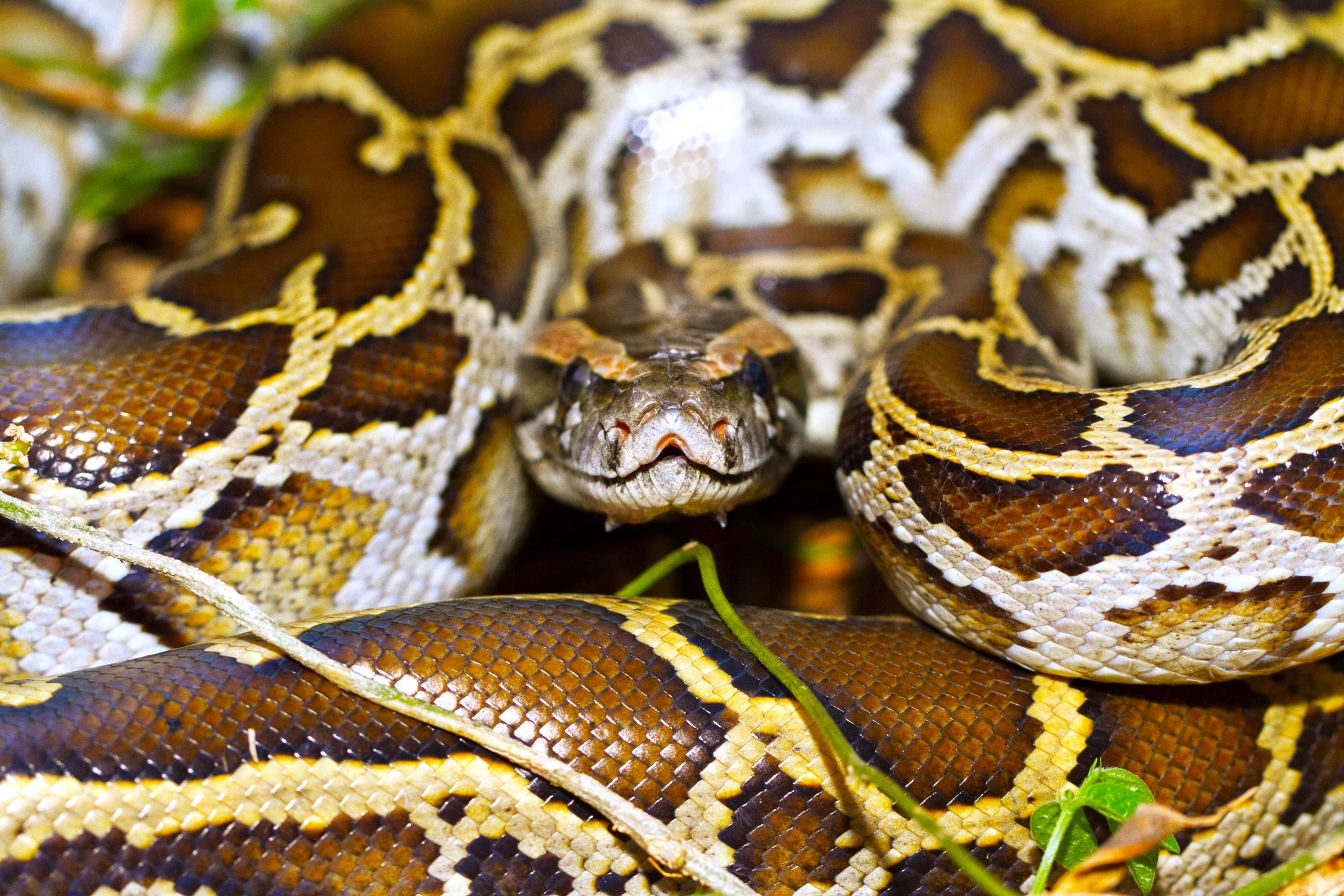
Pythons are some of the largest snakes in the world. They are non-venomous but are powerful constrictors, which means they kill their prey by wrapping around it and squeezing until it cannot breathe. Pythons are fascinating animals because of their size, strength, and hunting abilities. They are found in Africa, Asia, and Australia, living in forests, grasslands, swamps, and near rivers.
Appearance
Pythons are large, muscular snakes with smooth scales and long bodies. Their colors and patterns vary depending on the species and habitat. Some are brown or gray with spots or stripes, while others have more colorful markings that help them blend into their environment.
Pythons have a triangular head with heat-sensing pits along their upper and lower lips. These pits help them detect warm-blooded prey even in darkness. Their eyes have vertical pupils, which enhance night vision. Pythons have strong jaws and many small teeth, which help them hold onto prey while constricting it.
Some species, like the reticulated python, can grow over 20 feet long, making them the longest snakes in the world. Others, like the ball python, are smaller, usually around 3 to 5 feet. Pythons’ size and strength make them top predators in their ecosystems.
Species and Distribution
There are many species of pythons, but some of the most well-known include:
-
Reticulated Python: Found in Southeast Asia, one of the longest snakes in the world.
-
Burmese Python: Found in Southeast Asia, very large and strong, also invasive in some areas like Florida.
-
Ball Python: Native to Africa, smaller and popular as a pet.
-
Indian Python: Found in India and Sri Lanka, also called the rock python.
-
African Rock Python: Large African species found in savannas and forests.
Pythons are found in a wide range of habitats, from tropical forests and grasslands to swamps and rivers. They are excellent swimmers and can also climb trees to hunt or rest.
Diet
Pythons are carnivorous and eat a variety of animals. Their diet includes mammals like rodents, monkeys, and deer, as well as birds, reptiles, and sometimes fish. Large pythons can eat prey much bigger than themselves.
Pythons are ambush predators. They often lie in wait for hours, camouflaged among leaves, branches, or grass, until prey comes close. Then they strike quickly, grab the animal with their teeth, and coil around it. Constriction stops blood flow and breathing, making the prey unable to struggle. After the prey is subdued, the python swallows it whole, starting with the head.
Because of their slow metabolism, pythons do not need to eat often. A large python may eat once every few weeks or even months. After a big meal, it may rest for days or weeks while digesting.
Behavior
Pythons are mostly solitary animals. They are generally calm but can become aggressive if threatened or provoked. Many species are nocturnal, meaning they hunt at night, while some are active during the day depending on their environment.
Pythons are excellent climbers and swimmers. They can move through trees to catch birds or descend into water to hunt fish and amphibians. Their slow and deliberate movements help them stay hidden from both prey and predators.
When threatened, pythons may hiss loudly, coil up, and display their teeth. Some species can strike without biting first as a warning. Their camouflage and size often prevent confrontations, as many predators avoid them.
Reproduction
Pythons reproduce by laying eggs, except for some species that give birth to live young. Female pythons usually lay between 20 and 100 eggs depending on species and size. They often choose hidden or protected areas like hollow logs, burrows, or leaf litter to lay eggs.
The female python usually coils around the eggs to protect them and regulate their temperature. Some species, like the Burmese python, can even shiver their muscles to warm the eggs. Incubation takes about 2 to 3 months. After hatching, the young snakes are independent and must hunt and survive on their own.
Pythons do not care for their young after they hatch. Baby pythons have venomless bites and rely on camouflage and instincts to avoid predators.
Predators and Threats
Adult pythons have few natural predators due to their size, strength, and constriction abilities. Humans are the biggest threat, hunting them for skins, meat, and the pet trade. Habitat loss from deforestation and agriculture also reduces their living space.
Young pythons are more vulnerable and may be preyed on by birds of prey, larger snakes, and mammals. Pythons rely on camouflage, stealth, and hiding to avoid danger.
Importance in Nature
Pythons play a vital role in their ecosystems. As predators, they control populations of mammals, birds, and other reptiles. This helps maintain a balance in the environment and prevents overpopulation of prey species.
Pythons also serve as food for some large predators when young. Their presence indicates a healthy ecosystem with enough prey and natural habitat.
Relationship with Humans
Humans have had both fear and fascination for pythons. They are admired for their strength, size, and hunting skills but also feared because of their ability to kill large animals. Some people keep smaller species, like ball pythons, as pets.
In some cultures, pythons are considered sacred or symbols of strength and protection. Education and awareness help reduce unnecessary killing of pythons and promote coexistence.
Interesting Facts
-
Constrictors: Pythons kill prey by wrapping around and suffocating it, not with venom.
-
Ambush Hunters: They often wait for hours in one spot to catch prey.
-
Excellent Swimmers: Pythons can move through water to hunt fish or amphibians.
-
Climbers: They can climb trees to catch birds or escape danger.
-
Slow Metabolism: Large pythons may eat only once every few weeks or months.
-
Egg Protectors: Female pythons guard and warm their eggs until hatching.
-
Size: Some species grow over 20 feet, making them the longest snakes in the world.
-
Camouflage: Their color patterns help them blend into grass, leaves, or forest floors.
Observing Pythons
Observing pythons should be done carefully and from a distance. Wildlife reserves in Asia, Africa, and Australia allow safe observation of these powerful snakes. Watching a python ambush prey, swim, or climb teaches about their hunting skills, survival strategies, and adaptability.
Pythons are fascinating because they combine strength, patience, and intelligence. Observing them helps humans understand predator-prey dynamics and the importance of large reptiles in ecosystems.
Conservation
Many python species face threats from hunting, the pet trade, and habitat loss. Protecting forests, wetlands, and grasslands is essential for their survival. Some species, like the reticulated python, are listed as vulnerable in certain areas due to declining populations.
Conservation programs focus on habitat protection, legal enforcement against hunting, and education about the importance of pythons in nature. These efforts ensure that pythons continue to thrive and maintain their role in ecosystems.
Summary
Pythons are some of the largest and most powerful snakes in the world. They are non-venomous but use constriction to hunt and kill prey. With their strength, stealth, and camouflage, they are top predators in their ecosystems.
Pythons eat mammals, birds, and reptiles, helping maintain balance in the environment. They reproduce by laying eggs, and females often guard their nests until the young hatch. Pythons play an important role in nature and are indicators of healthy habitats.
Despite their size and power, pythons are generally shy and avoid humans. Protecting their habitats and reducing threats from hunting and deforestation is vital for their survival. Observing pythons teaches about adaptation, hunting strategies, and the delicate balance of ecosystems.
Pythons remind us that even creatures without venom can be formidable, fascinating, and crucial to the natural world. Their presence supports biodiversity and inspires respect for wildlife.
Read Also: Keep your face towards the sunshine and shadows will fall behind you
Watch Also: https://www.youtube.com/@TravelsofTheWorld24








Leave a Reply