
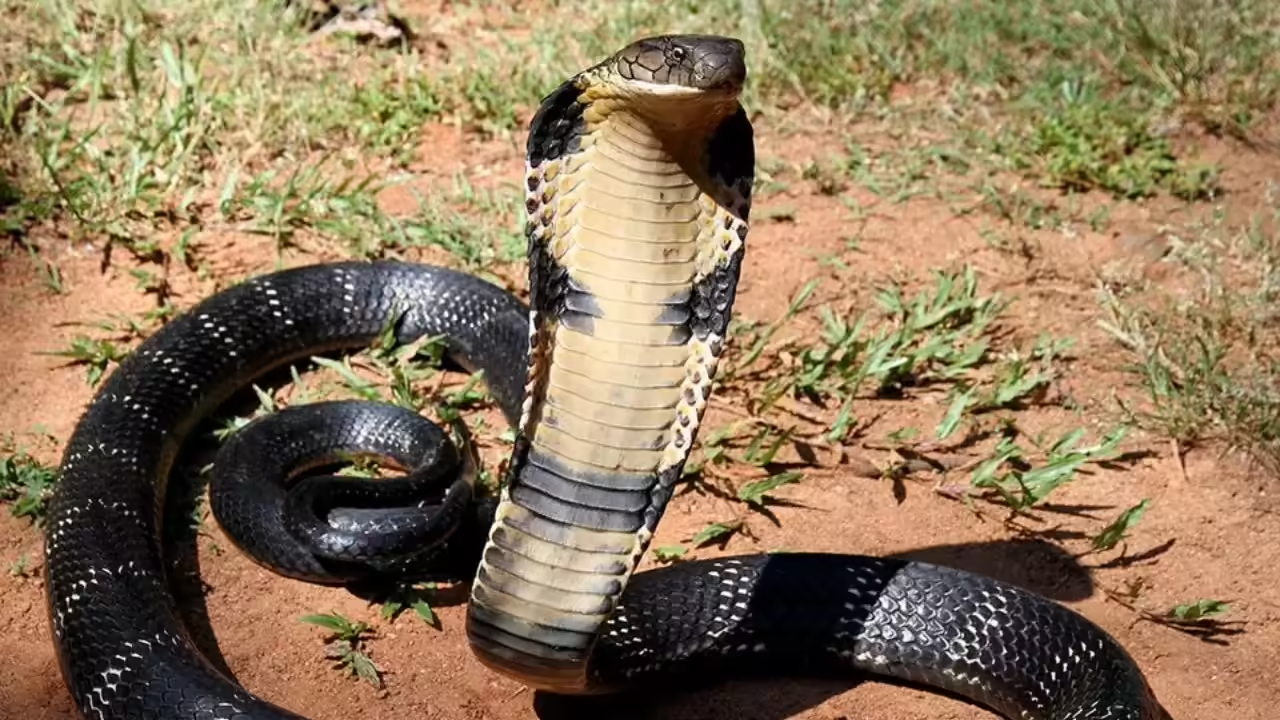
The King Cobra is one of the most fascinating and feared snakes in the world. Known for its incredible size, venom, and intelligence, this snake has captured the imagination of humans for centuries. Unlike many snakes, King Cobras are highly intelligent, cautious, and can even recognize humans from a distance. They are found mainly in forests across South and Southeast Asia, including India, Thailand, Indonesia, and the Philippines.
Appearance
King Cobras are the longest venomous snakes in the world. Adults usually grow between 10 and 13 feet long, and in rare cases, they can reach up to 18 feet. They have a large, elongated body with smooth scales. The body color varies by region, ranging from olive green, brown, and black to bluish-gray, often with pale bands along the body.
One of the most iconic features of a King Cobra is its hood. When threatened, the snake spreads the skin on its neck to form a hood, making it appear larger and more intimidating. The hood has a distinctive pattern, sometimes resembling spectacles, which warns predators or humans to keep away.
King Cobras have a relatively large head with round eyes and vertical pupils. Their mouths contain two large, hollow fangs at the front, which deliver venom deep into their prey.
Species and Distribution
The King Cobra (scientific name: Ophiophagus hannah) is the only member of its genus, Ophiophagus, which means “snake eater.” This name comes from their unique diet, as King Cobras primarily feed on other snakes, including venomous species.
King Cobras are found in forests, bamboo thickets, mangrove swamps, and grasslands of South and Southeast Asia. They prefer dense, moist habitats but can also be found near human settlements if there is enough food. Their wide distribution shows how adaptable they are, although habitat destruction is a growing threat.
Diet
King Cobras are carnivorous and are famous for eating other snakes. They hunt both venomous and non-venomous snakes, including rat snakes, pythons, and even other cobras. Occasionally, they may eat lizards, birds, or small mammals, but snakes make up the majority of their diet.
King Cobras have excellent vision compared to most snakes. They use their sense of smell and sight to locate prey. When hunting, they raise their heads and move slowly, carefully stalking their target. Once they strike, their venom quickly immobilizes the prey. They swallow it whole, starting with the head.
Venom
The venom of a King Cobra is extremely potent. It contains neurotoxins that affect the nervous system, leading to paralysis and, if untreated, death. However, King Cobras are usually shy and avoid humans unless provoked. They rarely bite unless threatened or cornered.
King Cobra venom is not only used for hunting but also serves as a defense mechanism. A bite can deliver a large amount of venom, enough to kill an adult human if antivenom is not administered quickly. Interestingly, researchers study King Cobra venom to develop medicines for heart disease, pain relief, and neurological conditions.
Behavior
King Cobras are highly intelligent snakes. They can detect humans from a distance and often move away to avoid confrontation. Despite their fearsome reputation, they are not aggressive unless provoked.
These snakes are mostly diurnal, meaning they are active during the day, though in hotter areas, they may become more nocturnal to avoid extreme heat. King Cobras are excellent climbers and swimmers, which allows them to navigate forests, rivers, and even trees in search of prey.
When threatened, a King Cobra will raise its body, spread its hood, hiss loudly, and sway back and forth. This display is usually enough to scare away predators or humans. They can also deliver multiple strikes in a single defensive encounter.
Reproduction
King Cobras are unique among snakes because they build nests for their eggs. Females lay between 20 and 50 eggs, which they guard fiercely until they hatch. The female coils around the nest to protect the eggs from predators and regulates the temperature by adjusting her position.
The incubation period lasts about 60 to 90 days. After hatching, the young snakes are independent immediately and must hunt for themselves. The mother leaves after the eggs hatch, which is unusual among snakes.
Predators and Threats
Adult King Cobras have very few natural predators due to their size, venom, and defensive behavior. Some large mammals, like mongooses, will attack young or smaller cobras. Birds of prey, like eagles, may also hunt juvenile snakes.
Humans are the biggest threat to King Cobras. Deforestation, urbanization, and the illegal pet trade have reduced their natural habitats. They are also killed out of fear or for use in traditional medicine. Despite this, King Cobras are protected in many countries, and conservation efforts aim to preserve their populations.
Importance in Nature
King Cobras play an important role in ecosystems by controlling populations of other snakes, including venomous ones. This helps maintain a balance in the ecosystem. By keeping snake populations in check, they indirectly protect small mammals, birds, and humans from overpopulation of dangerous species.
Their presence indicates a healthy, balanced forest ecosystem. Losing King Cobras can disrupt the food chain and affect other species that depend on the same environment.
Relationship with Humans
Humans have a mixed relationship with King Cobras. In some cultures, they are revered and considered sacred or symbolic of strength and protection. In India, they are associated with mythology and are often depicted with the god Shiva.
However, fear of their venom leads to killings and conflict with humans. Many bites occur when humans accidentally disturb a King Cobra or threaten it. Education and awareness programs are helping reduce unnecessary killings and promote coexistence.
Interesting Facts
-
Longest Venomous Snake: King Cobras can grow up to 18 feet, making them the longest venomous snakes in the world.
-
Snake Eaters: They primarily feed on other snakes, including deadly ones.
-
Nest Builders: Unlike most snakes, females build nests and guard their eggs.
-
Impressive Hood: Their hood can make them look much larger and more threatening.
-
Loud Hiss: Their hiss can be heard up to 100 feet away.
-
Excellent Vision: King Cobras can see humans and prey clearly from a distance.
-
Multiple Strikes: They can strike quickly and repeatedly if threatened.
-
Intelligent Hunters: They can remember areas with abundant prey.
Observing King Cobras
Observing King Cobras is fascinating but should only be done safely and from a distance. Wildlife reserves in Asia provide opportunities to see these snakes in their natural habitats. Researchers often use cameras and protective gear to study their behavior, hunting patterns, and nesting habits.
Watching a King Cobra raise its hood, hiss, and sway is a reminder of the snake’s power and intelligence. Observing them teaches humans about wildlife behavior, predator-prey relationships, and the importance of preserving natural habitats.
Conservation
King Cobras face threats from deforestation, urbanization, hunting, and the pet trade. Many countries have protected them under wildlife laws. National parks, wildlife sanctuaries, and conservation programs aim to preserve their habitats and educate local communities about the snake’s importance.
Protecting King Cobras helps maintain healthy forest ecosystems. By preventing habitat loss and illegal killings, humans can ensure these amazing snakes continue to thrive in the wild.
Summary
The King Cobra is one of the most remarkable snakes in the world. Its size, venom, intelligence, and behaviors make it a true marvel of nature. King Cobras are primarily snake eaters, excellent hunters, and skilled nest builders. Despite their fearsome reputation, they are cautious and usually avoid humans.
King Cobras play a vital role in the ecosystem by controlling populations of other snakes and maintaining balance in their environment. Their presence indicates a healthy forest, and conservation efforts are crucial to protect them from habitat loss and human threats.
Observing King Cobras reminds us of the power and complexity of nature. From their hood displays to their nest-guarding behavior, these snakes are a symbol of survival, intelligence, and the intricate web of life in the wild. Protecting King Cobras ensures that future generations can admire one of the most incredible reptiles on Earth.
Read Also: Keep your face towards the sunshine and shadows will fall behind you
Watch Also: https://www.youtube.com/@TravelsofTheWorld24





Leave a Reply