
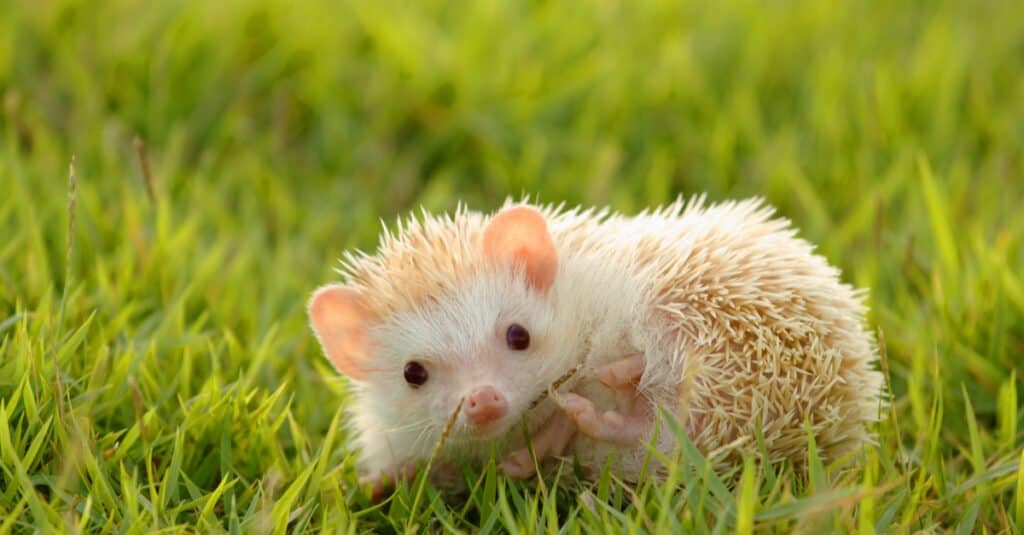
Hedgehogs are small mammals known for their round bodies, short legs, and unique spines covering their backs. They are nocturnal creatures, which means they are active at night and sleep during the day. Hedgehogs are found in Europe, Asia, Africa, and New Zealand (where they were introduced). There are 17 species of hedgehogs, each adapted to different environments like forests, grasslands, deserts, and even suburban areas.
Despite their spiky appearance, hedgehogs are gentle and mostly harmless to humans. Their spines, which are modified hairs made of keratin, act as a protective shield against predators. When threatened, hedgehogs curl into a tight ball, hiding their face and belly, leaving only their spines exposed.
Species and Habitats
Hedgehogs live in a wide range of habitats, from woodlands and meadows to gardens and urban parks. Here are some well-known species:
-
European Hedgehog – Found across Europe and parts of Asia. These hedgehogs are common in gardens, forests, and fields. They feed on insects, worms, and sometimes fruits.
-
African Pygmy Hedgehog – Native to Africa, but often kept as pets around the world. They are smaller than European hedgehogs and adapt well to both wild and captive environments.
-
Long-Eared Hedgehog – Found in Central Asia and the Middle East. They have longer ears than other species, which help them detect predators and locate prey.
-
Indian Hedgehog – Found in India and Pakistan. They are slightly larger, with longer spines and a more pointed face.
-
Northern White-Breasted Hedgehog – Found in Eastern Europe and parts of Asia. Known for the lighter color on their belly, they are active mainly at night and hibernate during cold winters.
Hedgehogs make their homes in burrows, under shrubs, or in piles of leaves. They do not dig deep tunnels like some animals, but they create small nests for sleeping and raising their young. In winter, many hedgehogs hibernate, lowering their body temperature and slowing down their metabolism to survive when food is scarce.
Physical Features
Hedgehogs have a unique appearance and several features that help them survive:
-
Spines: Each hedgehog has 5,000–7,000 spines. These are not poisonous but act as a defense. The spines lie flat when the hedgehog is relaxed but stand up when it feels threatened.
-
Face and Legs: Hedgehogs have short legs, small eyes, and a pointed snout. Their strong sense of smell and hearing helps them find food at night.
-
Body: Their bodies are round and compact, which makes curling into a ball easy.
-
Teeth: Hedgehogs have sharp teeth to eat insects, small animals, and sometimes plants.
Hedgehogs are excellent at climbing small obstacles and can swim if needed, although they are not aquatic animals. Their small size and spiny coat make them less likely to be preyed upon by larger animals.
Diet and Feeding
Hedgehogs are primarily insectivores, which means they mainly eat insects. Their diet usually includes:
-
Beetles and caterpillars
-
Worms and snails
-
Spiders and small invertebrates
-
Some fruits, berries, and mushrooms
Hedgehogs are opportunistic feeders, meaning they eat whatever is available. They have a very good sense of smell to detect insects underground or under leaves. At night, they roam their territory, which can be up to several hectares, searching for food.
While hedgehogs are helpful to gardens because they eat pests like slugs and beetles, they should not be fed human food. Chocolate, milk, or bread can harm them. In the wild, hedgehogs consume enough protein and fiber to stay healthy and maintain energy for hunting and moving around.
Behavior and Social Life
Hedgehogs are mostly solitary animals. They prefer to live alone except during mating season or when raising their young. Some behaviors include:
-
Nocturnal Activity: Hedgehogs are active at night, hunting and exploring. During the day, they rest in nests made from leaves and grass.
-
Curling Up: When threatened, hedgehogs curl into a ball, protecting their vulnerable belly and face with spines.
-
Hissing and Snuffling: Hedgehogs make soft hissing, snuffling, and clicking sounds when communicating or feeling threatened.
Although solitary, hedgehogs may share spaces like gardens or forest edges if food is abundant. They are curious animals and often investigate new objects in their environment, but they are cautious around humans and larger animals.
Reproduction and Lifespan
Hedgehogs breed once or twice a year, depending on the species and climate. Key facts about their reproduction include:
-
Female hedgehogs give birth to 2–10 young, called hoglets, after a gestation of about 35–58 days.
-
Hoglets are born blind and without spines. The spines start to appear within a few days.
-
Mothers care for their young for a few weeks, feeding them and teaching them to forage.
-
Young hedgehogs leave the nest when they are about 4–6 weeks old, ready to live independently.
In the wild, hedgehogs live around 3–7 years, depending on species and environmental threats. In captivity, with proper care, they can live up to 10 years.
Threats and Conservation
Hedgehogs face many dangers in the wild:
-
Habitat Loss: Urban development and agriculture reduce the areas where hedgehogs can live.
-
Roads: Many hedgehogs are killed by cars while crossing roads at night.
-
Pesticides: Chemicals used in gardens and farms reduce their food supply and can poison them.
-
Predators: Foxes, badgers, owls, and domestic pets may prey on hedgehogs.
Some species, like the European hedgehog, are declining in numbers in certain countries due to human activity. Conservation efforts include:
-
Creating hedgehog-friendly gardens with shelters and food.
-
Avoiding pesticides and providing water.
-
Building small wildlife corridors to allow safe movement across roads and fences.
-
Educating the public about hedgehog protection.
Hedgehogs play an important role in the ecosystem by controlling insect populations and helping keep gardens and forests healthy.
Hedgehogs as Pets
Some species, like the African pygmy hedgehog, are popular as pets. Pet hedgehogs are small, relatively low-maintenance, and can be affectionate if handled carefully. However, keeping hedgehogs as pets requires understanding their needs:
-
They need a quiet, warm environment, as they are nocturnal.
-
A diet rich in insects, supplemented with special hedgehog food, is necessary.
-
Regular handling helps them become tame, but they may still curl up when scared.
-
Veterinary care is important to prevent diseases.
Hedgehogs are fun and interesting pets, but they require commitment and proper care. In some countries, owning certain species may require permits.
Interesting Facts About Hedgehogs
-
Hedgehogs are one of the few mammals that can hibernate. During hibernation, their heart rate and metabolism slow down.
-
They can travel up to 2 kilometers in a single night in search of food.
-
Hedgehogs do not have good eyesight but have an excellent sense of smell and hearing.
-
They are resistant to some snake and insect venoms.
-
Hedgehogs can swim and climb short fences, making them adaptable to different environments.
-
In some cultures, hedgehogs are symbols of protection and cleverness.
Hedgehogs in Culture
Hedgehogs have appeared in folklore, stories, and media around the world. In European stories, they are often seen as clever animals that outsmart predators. Hedgehogs have also been featured in popular cartoons and games, making them beloved by children and adults alike.
They are admired for their spiny defense, yet gentle nature, and their small size makes them seem approachable and cute. Many wildlife documentaries feature hedgehogs, showing their nightly adventures and playful hunting behavior.
Hedgehogs’ Role in the Ecosystem
Hedgehogs are very important to nature. They help control insect and pest populations, which protects crops, gardens, and forests. By eating insects, worms, and small creatures, they keep the ecosystem balanced. Hedgehogs are also prey for larger animals, so they are part of the food chain.
Their presence in gardens and natural habitats indicates a healthy environment. Conserving hedgehogs also helps other species that share the same habitat, like birds, small mammals, and plants.
How to Help Hedgehogs
People can help hedgehogs by:
-
Creating hedgehog-friendly gardens with shelters, leaves, and logs.
-
Leaving small gaps in fences so hedgehogs can move safely.
-
Avoiding the use of pesticides and chemicals.
-
Providing fresh water, especially in dry seasons.
-
Reporting injured or sick hedgehogs to wildlife centers.
-
Being careful when mowing lawns or using garden tools.
Small efforts in daily life can make a big difference for hedgehogs, especially in urban areas where their natural habitats are shrinking.
Conclusion
Hedgehogs are fascinating, small mammals that bring joy with their unique spines, nocturnal behavior, and gentle nature. They are helpful to humans and the environment, controlling insects and balancing ecosystems. Protecting hedgehogs ensures that they continue to thrive in the wild and even in our gardens.
Watching a hedgehog curl into a ball, sniffing around for food at night, or slowly exploring a garden is a reminder of how nature is full of small wonders. With proper care and awareness, humans can coexist with hedgehogs, preserving these charming little creatures for generations to come.
Read Also: Keep your face towards the sunshine and shadows will fall behind you
Watch Also: https://www.youtube.com/@TravelsofTheWorld24







Leave a Reply