
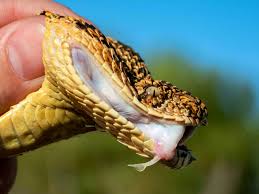
The puff adder is one of the most dangerous and widely recognized snakes in Africa. Known for its deadly venom, camouflage, and slow-moving behavior, it is both feared and respected by people and wildlife enthusiasts. In this article, we will explore everything about the puff adder, including its appearance, behavior, habitat, diet, and its role in nature.
What Is a Puff Adder?
The puff adder (Bitis arietans) is a venomous snake found throughout much of sub-Saharan Africa. It belongs to the viper family, which includes some of the deadliest snakes in the world. The puff adder is responsible for more snakebite deaths in Africa than any other snake due to its wide distribution and tendency to stay still, making it easy to accidentally step on.
Despite its dangerous venom, the puff adder is not aggressive. It prefers to avoid humans and will usually try to escape. However, when threatened, it can deliver a fast and powerful bite.
Physical Features of the Puff Adder
Puff adders have unique features that make them easy to identify:
-
Size: Adult puff adders usually grow between 3 and 5 feet, although some can reach 6 feet.
-
Color and Pattern: Their bodies are covered in a mix of brown, yellow, and gray patterns, which helps them blend into grass, leaves, and soil.
-
Head: Puff adders have a triangular-shaped head, wider than their neck.
-
Eyes: They have vertical pupils that help them see well in low light.
-
Body Shape: Thick and heavy-bodied, which allows them to store energy and deliver strong strikes.
-
Tail: Short and muscular, used mainly for balance.
One of the most famous features of the puff adder is its ability to inflate or “puff” its body when threatened, making itself look bigger and more intimidating.
Where Do Puff Adders Live?
Puff adders are highly adaptable and can be found in many habitats:
-
Grasslands and Savannahs: They are common in open fields and savannahs where they blend with the environment.
-
Bush and Scrublands: Dense bushes provide hiding spots for ambushing prey.
-
Forests: Some puff adders live in forest edges and clearings.
-
Farmlands and Villages: They can sometimes be found near human settlements searching for rodents.
Puff adders are not good climbers, but they can move quickly over short distances to catch prey or escape danger. They also like to stay near areas with good cover, like tall grass or piles of leaves.
What Do Puff Adders Eat?
Puff adders are carnivores, meaning they eat other animals. Their diet includes:
-
Rats and mice
-
Birds and bird eggs
-
Frogs and toads
-
Lizards and small mammals
Puff adders are ambush predators. They usually lie still and wait for prey to come close. When the prey is within striking distance, the snake bites quickly, injecting venom to immobilize it. The venom also begins digesting the prey before the snake swallows it whole.
Venom of the Puff Adder
The puff adder’s venom is highly dangerous and potentially lethal:
-
Cytotoxic venom: It destroys tissue, causing swelling, pain, and sometimes severe damage near the bite area.
-
Danger to humans: Bites can be fatal if untreated, but antivenom is available in many African hospitals.
-
Warning signals: Puff adders hiss loudly and may coil up to warn potential threats. Despite this, many bites occur because the snake relies on camouflage rather than fleeing.
Although deadly, puff adders usually bite humans only when accidentally stepped on or provoked. They are not naturally aggressive and prefer to stay hidden.
Behavior of Puff Adders
Puff adders have interesting and sometimes surprising behaviors:
-
Slow-moving: Unlike some snakes, puff adders move slowly and rely on camouflage for protection.
-
Ambush hunting: They wait for prey rather than actively chasing it.
-
Hissing and Puffing: When threatened, they hiss loudly and inflate their bodies to scare predators away.
-
Nocturnal activity: They are most active during the night, especially in hot weather.
Puff adders are solitary and spend most of their lives hidden. Their patience and camouflage make them excellent hunters.
Reproduction and Life Cycle
Puff adders reproduce through a process called ovoviviparity, which means the female gives birth to live young rather than laying eggs:
-
Mating season: Usually occurs during the warmer months.
-
Gestation: Female puff adders carry developing young inside their body for about 5–6 months.
-
Birth: A female may give birth to 20–80 baby snakes at a time.
-
Hatchlings: The newborns are fully independent and venomous from birth. They must hunt for themselves immediately.
Puff adders can live up to 15 years in the wild, although many fall victim to predators or human activity.
Predators and Threats
Even though puff adders are dangerous, they have natural predators:
-
Mongooses: Known for killing venomous snakes.
-
Birds of prey: Eagles, kites, and hawks may attack puff adders.
-
Other snakes: Some larger snakes may prey on puff adders.
-
Humans: Habitat destruction, killing out of fear, and road accidents are major threats.
Despite being highly venomous, puff adders are an important part of the ecosystem.
Importance in Nature
Puff adders play a crucial role in their environment:
-
Rodent control: By eating rats and mice, they help protect crops and reduce disease.
-
Food source: Puff adders are prey for mongooses, eagles, and other predators.
-
Ecological balance: As both predators and prey, they help maintain the health of their ecosystem.
Without puff adders, rodent populations could increase rapidly, and other animals would lose a source of food.
Staying Safe Around Puff Adders
Since puff adders are venomous, safety is important:
-
Watch your step: Be careful in areas where puff adders may live.
-
Do not provoke: Never try to touch, trap, or scare a puff adder.
-
Use light at night: They are more active at night, so a flashlight helps you avoid stepping on one.
-
Call professionals: If a puff adder enters a home, contact wildlife authorities.
Most bites happen when people accidentally step on the snake. Awareness and caution are key to avoiding accidents.
Fun Facts About Puff Adders
-
They are responsible for more snakebite deaths in Africa than any other snake.
-
Despite being deadly, they are slow and rely on camouflage.
-
Baby puff adders are fully venomous and dangerous immediately.
-
Their hiss is extremely loud for a snake, warning predators and humans.
-
They can “puff up” to make themselves look bigger and scarier.
Conservation of Puff Adders
Puff adders are widespread but face threats:
-
Habitat destruction: Urbanization and farming reduce their living spaces.
-
Killing by humans: Many snakes are killed out of fear.
-
Road accidents: Snakes are often killed by vehicles.
Conservation efforts focus on protecting habitats, educating communities about snake safety, and ensuring that puff adders remain a part of Africa’s wildlife.
Observing Puff Adders Safely
To observe puff adders in the wild:
-
Go with a guide: Local experts know safe places to watch snakes.
-
Stay at a distance: Use binoculars to avoid disturbing them.
-
Move slowly and quietly: Puff adders are sensitive to vibrations.
-
Visit wildlife reserves: National parks like Kruger in South Africa and Serengeti in Tanzania are home to puff adders.
Watching puff adders from a safe distance helps you understand their behavior and beauty without risk.
Conclusion
The puff adder is one of Africa’s most iconic and dangerous snakes. With its deadly venom, excellent camouflage, and fascinating behaviors, it is an important part of the ecosystem. Despite its fearsome reputation, the puff adder is not naturally aggressive and prefers to avoid humans.
By respecting puff adders, learning about their habits, and practicing safety, humans can coexist with this remarkable snake. Protecting puff adders ensures the balance of African ecosystems and preserves one of nature’s most intriguing reptiles.
Read Also: Keep your face towards the sunshine and shadows will fall behind you
Watch Also: https://www.youtube.com/@TravelsofTheWorld24





Leave a Reply