
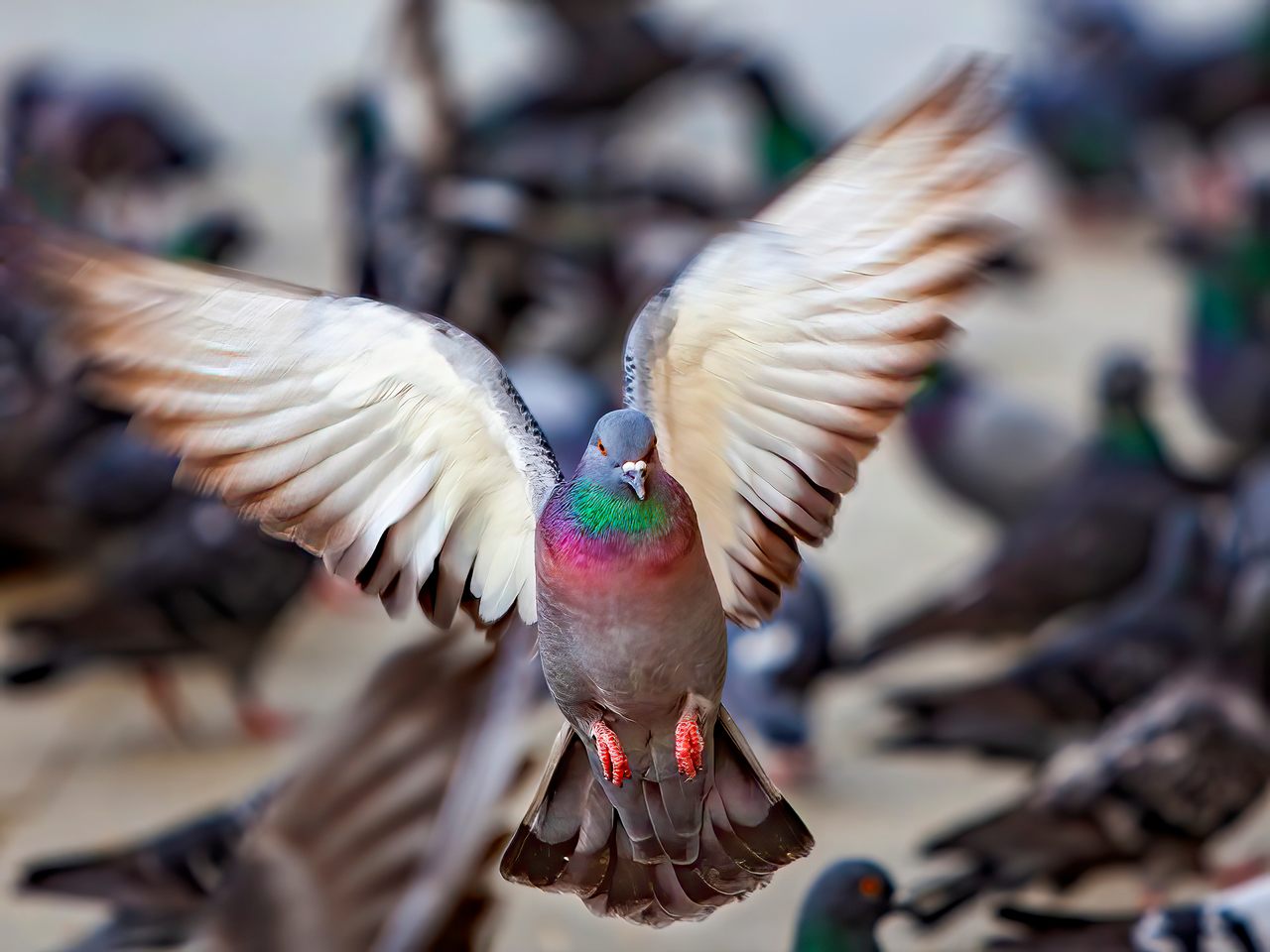
Pigeons are one of the most common and recognizable birds in the world. Found in cities, towns, and countryside areas, they have lived alongside humans for thousands of years. Known for their cooing sounds, amazing homing ability, and variety of colors, pigeons are fascinating birds. This article explores everything about pigeons, including their appearance, behavior, habitat, diet, and importance in nature and culture.
What Is a Pigeon?
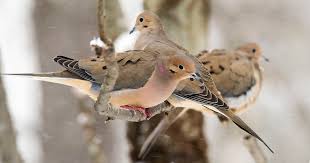
Pigeons belong to the bird family Columbidae, which also includes doves. There are more than 300 species of pigeons and doves worldwide. They are medium-sized birds with strong bodies, short necks, and small heads.
Pigeons are often called “rock doves,” especially the common city pigeons, because they originally lived on cliffs and rocky areas. Over time, they adapted to urban life and now thrive in towns and cities all over the world.
Physical Features of Pigeons
Pigeons have several features that make them easy to recognize:
-
Size: Most pigeons are about 12–15 inches long, with a wingspan of 24–28 inches.
-
Color: Common city pigeons are gray with two black stripes on their wings, but pigeons come in many colors, including white, brown, and black.
-
Eyes: Bright and round, often red, orange, or yellow in color.
-
Beak: Short and thin, with a small fleshy area at the base called a cere.
-
Feet: Pinkish-red with strong claws for perching.
-
Wings: Strong and long, allowing pigeons to fly long distances quickly.
Pigeons are strong flyers and can reach speeds of 50–60 miles per hour when in flight.
Where Do Pigeons Live?
Pigeons are highly adaptable and can live in a variety of habitats:
-
Cities and towns: They often live on rooftops, bridges, and monuments.
-
Countryside: Farmlands, fields, and open areas are home to wild pigeons.
-
Cliffs and rocky areas: The original natural habitat for rock doves.
-
Coastal areas: Some pigeons live near beaches and coastal cliffs.
Pigeons thrive in urban areas because humans provide food and shelter. They are very comfortable living alongside people.
What Do Pigeons Eat?
Pigeons are mainly herbivores, but they can eat a variety of foods:
-
Seeds and grains
-
Fruits and berries
-
Vegetables
-
Bread and food scraps from humans
Pigeons are also known to eat small insects occasionally. They are excellent at finding food and can survive in cities because of their adaptability.
Behavior of Pigeons
Pigeons are social, intelligent, and active birds:
-
Flocking: Pigeons usually move in groups, which helps protect them from predators.
-
Flying: They are strong and fast fliers, capable of long-distance travel.
-
Communication: Pigeons communicate with coos, calls, and body movements.
-
Courtship: Males perform displays, such as puffing up feathers and cooing, to attract females.
-
Nesting: They build simple nests with twigs and debris, often on ledges or rooftops.
Pigeons are also known for their remarkable homing ability, which allows them to return to their nests even from long distances.
Reproduction and Life Cycle
Pigeons reproduce by laying eggs:
-
Mating: Pigeons form strong pair bonds, often lasting for life.
-
Nesting: Both parents help build the nest and take care of the eggs.
-
Eggs: Typically, a female lays 1–2 eggs.
-
Incubation: Both parents incubate the eggs for 17–19 days.
-
Hatchlings: Baby pigeons, called squabs, are fed with a special secretion called “pigeon milk” produced in the parents’ crop.
-
Fledging: Squabs leave the nest after about 4–6 weeks.
Pigeons can live up to 15 years in the wild, and some captive pigeons can live more than 20 years.
Predators and Threats
Pigeons face several natural predators:
-
Birds of prey like hawks, falcons, and eagles
-
Cats and dogs in urban areas
-
Humans, when hunted or captured
Despite these threats, pigeons are very common and survive in a wide range of environments due to their adaptability.
Importance of Pigeons in Nature
Pigeons play an important role in ecosystems and human society:
-
Seed dispersal: By eating fruits and berries, pigeons help spread plant seeds.
-
Food source: They are prey for hawks, falcons, and other predators.
-
Urban cleanup: Pigeons help consume leftover grains and food scraps.
-
Scientific research: Pigeons have been studied for navigation, memory, and behavior.
Without pigeons, certain seeds might not spread effectively, and urban ecosystems would lose an important part of their food chain.
Pigeons and Humans
Pigeons have a long history of interaction with humans:
-
Homing pigeons: Pigeons have been used to carry messages across long distances for centuries. They were especially important during wars.
-
Domestication: Pigeons are kept for racing, breeding, and as pets.
-
Food source: In some cultures, pigeons are used as a source of meat.
-
Cultural significance: Pigeons symbolize peace, love, and loyalty in many cultures.
Humans have greatly influenced pigeon populations, both positively through care and breeding and negatively through urban hazards.
Unique Pigeon Species
Some interesting pigeon species include:
-
Rock Dove: The common city pigeon, gray with black wing stripes.
-
Homing Pigeon: Trained to return home over long distances.
-
Victoria Crowned Pigeon: Large, beautiful bird from New Guinea with a crown of feathers.
-
Nicobar Pigeon: Colorful bird found on islands of Southeast Asia.
-
Passenger Pigeon: Extinct species that once lived in huge flocks across North America.
Each species has adapted to its environment and has unique behaviors and appearances.
Fun Facts About Pigeons
-
Pigeons can recognize themselves in mirrors.
-
They have excellent memory and can remember landmarks for navigation.
-
Homing pigeons can fly hundreds of miles to return home.
-
Pigeons can drink water by sucking, unlike most birds that sip and tilt their heads.
-
They have been used in military communication for centuries.
Observing Pigeons
To watch pigeons safely and enjoyably:
-
Go to parks or urban squares: Pigeons are easy to find in cities.
-
Look for flocks: Pigeons are social and often move in groups.
-
Feed responsibly: Offer grains or seeds, but avoid bread, which is not healthy for them.
-
Use binoculars: Helps observe different species in natural habitats.
Observing pigeons teaches us about their behavior, intelligence, and interaction with humans.
Conservation of Pigeons
While most pigeons are common, some species face threats:
-
Habitat loss: Deforestation and urban development affect wild pigeons.
-
Hunting: Some species are hunted for food or sport.
-
Pollution: Urban pollution and pesticides can harm pigeons.
Conservation efforts include protecting habitats, studying populations, and promoting coexistence with humans.
Conclusion
Pigeons are remarkable birds with incredible adaptability, intelligence, and importance in nature and culture. From city rooftops to forests and cliffs, they thrive in diverse environments. Their homing ability, social behavior, and colorful species make them fascinating to watch and study.
By understanding pigeons, respecting their habitats, and learning about their role in ecosystems, humans can coexist with these amazing birds. Protecting pigeons ensures biodiversity, helps spread plant seeds, and preserves a species that has lived alongside humans for thousands of years.
Read Also: Keep your face towards the sunshine and shadows will fall behind you
Watch Also: https://www.youtube.com/@TravelsofTheWorld24





Leave a Reply