
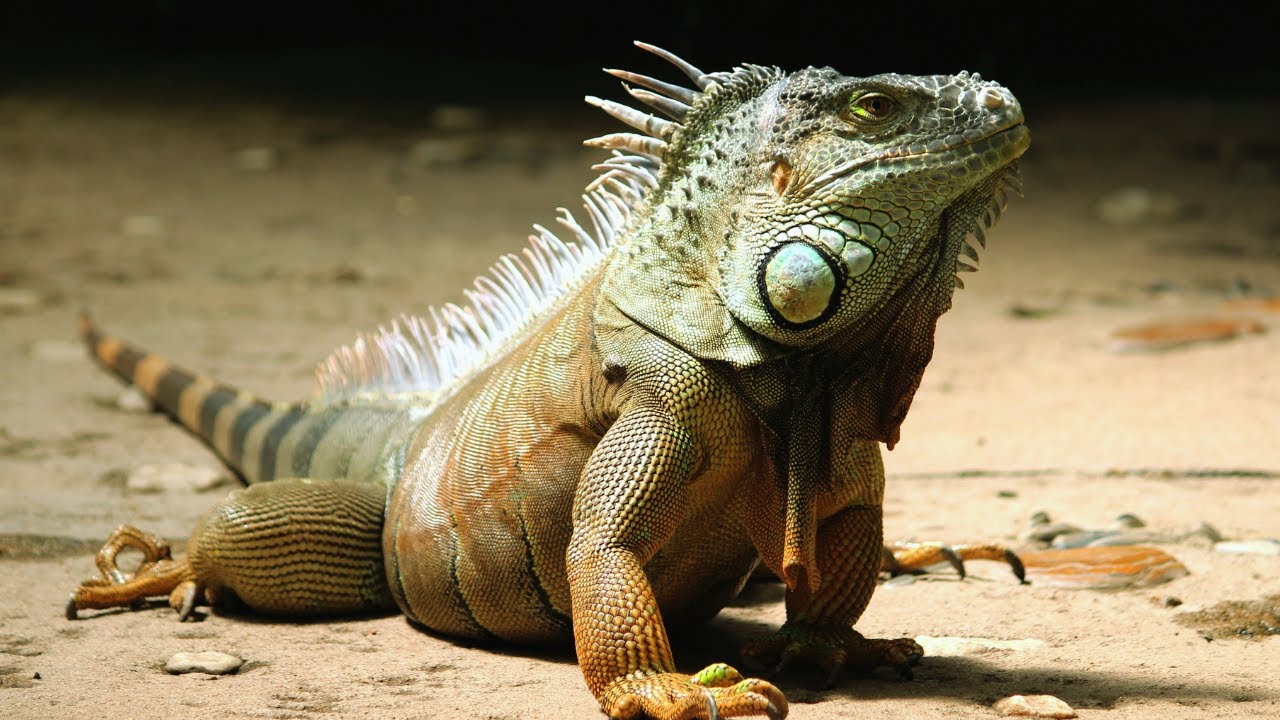
Iguanas are some of the most fascinating reptiles in the world. Known for their bright colors, long tails, and unique personalities, they have captured the interest of scientists, pet lovers, and wildlife enthusiasts alike. This article explores everything you need to know about iguanas, from their habitat and diet to their behavior and importance in nature.
What Is an Iguana?
An iguana is a type of lizard. They belong to the family Iguanidae, which includes a variety of species that live in warm regions around the world. Iguanas are known for their long tails, spiny crests along their backs, and powerful limbs. They can grow to be quite large, with some species reaching over six feet in length.
There are several types of iguanas, but the most well-known is the green iguana. Other types include the blue iguana, the lesser Antillean iguana, and the marine iguana, which is found only in the Galapagos Islands.
Physical Features of Iguanas
Iguanas are easy to recognize because of their unique features:
-
Color: Green iguanas are bright green when young, but they can turn darker or even brown as they age. Blue iguanas, as the name suggests, have a bluish tint, while marine iguanas are black or gray.
-
Spines: Iguanas have a row of spines along their back and tail, which helps protect them from predators.
-
Tail: Their long, strong tail can be used for balance, swimming, and defense. Some species can even detach their tail to escape predators.
-
Dewlap: This is a flap of skin under the iguana’s chin that helps with thermoregulation (controlling body temperature) and communication.
-
Claws and Toes: Iguanas have sharp claws and strong toes, perfect for climbing trees and gripping branches.
Where Do Iguanas Live?
Iguanas are mostly found in tropical and subtropical regions. They like warm environments with plenty of trees, because many iguanas are arboreal, meaning they live in trees.
-
Green Iguanas: Found in Central and South America, often near rivers and rainforests.
-
Marine Iguanas: Found in the Galapagos Islands, they are unique because they swim and eat algae in the ocean.
-
Desert Iguanas: Live in arid desert regions of North America.
Iguanas love sunny spots because they are cold-blooded reptiles. This means they rely on external heat sources to regulate their body temperature. You will often see iguanas basking on rocks, tree branches, or rooftops to soak up the sun.
What Do Iguanas Eat?
Iguanas are mostly herbivores, which means they eat plants. Their diet mainly consists of:
-
Leaves
-
Fruits
-
Flowers
-
Vegetables
Some iguanas may occasionally eat insects or small animals, but this is rare. Green iguanas, for example, prefer leafy greens and fruits like mangoes, berries, and papayas. Marine iguanas feed almost exclusively on algae, which they scrape off rocks underwater.
How Do Iguanas Behave?
Iguanas have very interesting behaviors that make them fun to watch:
-
Climbing: Most iguanas are excellent climbers. They use their claws and strong tails to move through trees.
-
Swimming: Some species, like marine iguanas, are great swimmers. They can dive into the ocean to search for food.
-
Communication: Iguanas communicate through body language. They bob their heads, extend their dewlap, and change color to show aggression, attract mates, or warn others.
-
Territorial: Male iguanas are often territorial and will defend their space from other males. They may use their tail to strike, their dewlap to appear larger, or even chase intruders away.
Reproduction and Life Cycle
Iguanas reproduce by laying eggs. Female iguanas dig nests in sandy or soft soil and lay a clutch of eggs. The number of eggs varies by species but can range from 20 to 70 per clutch.
-
Incubation: Eggs are left to incubate in warm sand or soil, usually for 2–3 months.
-
Hatching: Baby iguanas, called hatchlings, emerge fully independent. They must find food and avoid predators immediately.
-
Growth: Iguanas grow quickly in their first few years. They can reach full size in 3–5 years, depending on the species and environment.
Predators and Threats
Iguanas face many dangers in the wild. Their predators include:
-
Birds of prey, like hawks and eagles
-
Snakes
-
Larger mammals, like wild cats
Humans are also a major threat. Deforestation, habitat destruction, and hunting have reduced iguana populations in many areas. Some species, like the blue iguana, are critically endangered and rely on conservation programs to survive.
Iguanas as Pets
Many people keep iguanas as pets, especially green iguanas. They are beautiful and can become quite tame, but they require special care:
-
Space: Iguanas grow large and need a big cage or enclosure.
-
Temperature: They need warm areas and a basking spot with UV light.
-
Diet: They must eat a varied diet of leafy greens, fruits, and vegetables.
-
Handling: Iguanas can be aggressive if scared or stressed. It’s important to handle them gently and regularly to build trust.
While iguanas can be rewarding pets, they are not easy to care for. Many people underestimate their size, lifespan, and dietary needs. Some iguanas can live over 15 years in captivity if cared for properly.
Unique Iguana Species
Here are some interesting species worth knowing:
-
Green Iguana (Iguana iguana): Common in Central and South America, bright green, often seen near rivers and trees.
-
Blue Iguana (Cyclura lewisi): Found only in Grand Cayman, critically endangered, bright blue color.
-
Marine Iguana (Amblyrhynchus cristatus): Only in the Galapagos, swims in the ocean, eats algae, and can hold its breath for long periods.
-
Desert Iguana (Dipsosaurus dorsalis): Lives in deserts of North America, very heat-tolerant, eats cacti and desert plants.
-
Fiji Banded Iguana (Brachylophus fasciatus): Found in Fiji, has bright green and blue bands, lives in trees.
Importance of Iguanas in Nature
Iguanas play a crucial role in the ecosystems where they live:
-
Seed Dispersal: By eating fruits and excreting the seeds, iguanas help plants spread and grow.
-
Food Source: Iguanas are prey for many animals, so they are part of the food chain.
-
Ecosystem Balance: By eating leaves and fruits, iguanas help maintain the balance of plant growth in forests.
Without iguanas, some plant species might not spread as effectively, and predators would have fewer food sources. They are a vital part of their environment.
Threats and Conservation
Many iguana species are at risk due to human activity:
-
Habitat Loss: Deforestation and urbanization reduce the areas where iguanas can live.
-
Illegal Pet Trade: Some species are captured and sold illegally, which threatens wild populations.
-
Climate Change: Rising temperatures and changing rainfall patterns can affect iguana habitats.
Conservation efforts include protecting habitats, breeding programs, and educating people about the importance of iguanas. For example, the blue iguana recovery program in the Cayman Islands has helped increase their numbers from less than 20 in the 1990s to several hundred today.
Fun Facts About Iguanas
-
Iguanas can run on their hind legs for short distances.
-
They have excellent vision and can see shapes, colors, and movements clearly.
-
Some iguanas can drop their tail to escape predators, and the tail will eventually regrow.
-
Marine iguanas are the only lizards in the world that forage in the ocean.
-
Iguanas can hold their breath underwater for up to 30 minutes.
How to Observe Iguanas in the Wild
If you want to see iguanas in their natural habitat, here are some tips:
-
Look Near Water: Many iguanas live near rivers, ponds, and lakes.
-
Early Morning or Late Afternoon: Iguanas are most active when basking in the sun.
-
Stay Quiet: Move slowly and avoid sudden movements to avoid scaring them.
-
Use Binoculars: This helps you observe from a distance without disturbing them.
Conclusion
Iguanas are remarkable reptiles with fascinating behaviors and important roles in nature. From their colorful appearance to their unique survival strategies, they are a vital part of the ecosystems where they live. Whether you are observing them in the wild or learning about them as a pet owner, iguanas remind us of the diversity and beauty of the animal world.
Protecting iguanas means protecting forests, rivers, and islands where they live. By understanding their needs and threats, we can ensure that future generations will continue to enjoy these incredible reptiles.
Read Also: Keep your face towards the sunshine and shadows will fall behind you
Watch Also: https://www.youtube.com/@TravelsofTheWorld24







Leave a Reply