
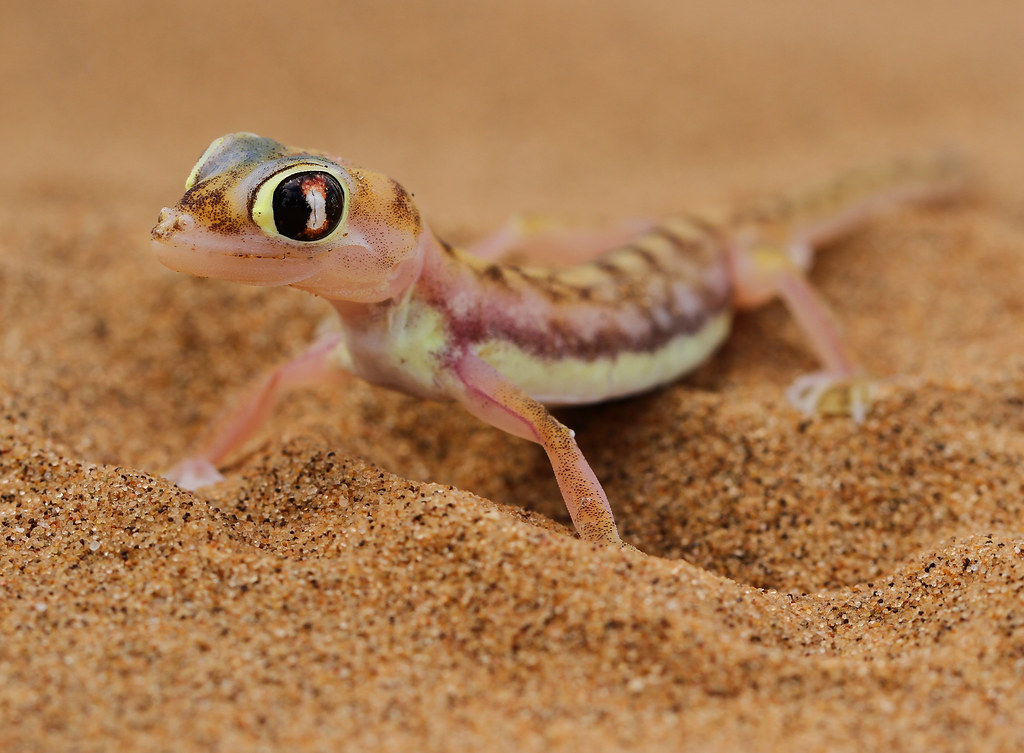
Geckos are small lizards known for their climbing abilities, unique looks, and interesting behaviors. They belong to the family Gekkonidae, which includes hundreds of species found all over the world. Geckos are mostly nocturnal, which means they are active at night. They live in warm climates, often in forests, deserts, grasslands, and even near human homes.
Appearance
Geckos vary in size and color depending on the species. Some are only a few inches long, while others, like the New Caledonian giant gecko, can grow up to 14 inches. Their colors range from brown, gray, and green to bright patterns of yellow, red, or spots.
One of the most interesting features of geckos is their feet. Their toes have tiny hair-like structures called setae that allow them to stick to walls, ceilings, and even glass. This makes them excellent climbers. Many geckos also have tails that can break off if a predator grabs them. The tail will grow back over time, although it may look different than the original.
Geckos usually have large eyes with vertical pupils, which help them see well in low light. Unlike many lizards, geckos do not have eyelids. Instead, they have a clear scale over their eyes that they clean with their tongues.
Species of Geckos
There are over 1,500 species of geckos, each with unique characteristics. Some well-known types include:
-
Leopard Gecko: Spotted lizard popular as a pet.
-
Crested Gecko: Known for its fringed head and sticky toes.
-
Tokay Gecko: Large, colorful, and loud, found in Southeast Asia.
-
Day Gecko: Bright green geckos active during the day.
-
Fat-Tailed Gecko: Stores fat in its tail for energy during scarce times.
Geckos are found on every continent except Antarctica. Each species adapts to its environment in different ways, such as changing color for camouflage or growing sticky pads for climbing smooth surfaces.
Habitat
Geckos are very adaptable and can live in forests, deserts, mountains, grasslands, and urban areas. Some species prefer trees and shrubs, while others hide under rocks or in crevices. Geckos are often found near human homes because they are attracted to insects, which are their main food.
In forests, geckos live on tree trunks and leaves, using their camouflage to hide from predators. Desert geckos may burrow underground to stay cool during the hot day. Urban geckos are excellent at finding shelter in walls, roofs, and gardens.
Diet
Geckos are mostly insectivores, which means they eat insects and other small invertebrates. Their diet includes crickets, moths, flies, spiders, and beetles. Some larger geckos may eat small birds, eggs, or even other lizards.
Geckos are active hunters. They use their excellent vision and quick reflexes to catch prey. They often wait quietly for insects to come near before striking. Some geckos, like the day gecko, also eat fruit and nectar. This makes them important for pollination in some ecosystems.
Behavior
Geckos are mostly nocturnal, though some species, like day geckos, are active during the day. They communicate in unique ways, including chirps, clicks, and squeaks. These sounds help geckos attract mates, defend territory, or warn of danger.
Geckos are very good climbers. They can walk on vertical walls and ceilings thanks to the tiny hairs on their toes. This ability helps them escape predators and find food in difficult-to-reach places.
Some geckos are territorial and defend their area from other geckos. Males often display aggressive behaviors like tail waving, hissing, or vocalizing to scare off rivals.
Reproduction
Geckos reproduce by laying eggs. Most species lay one or two eggs at a time, which are usually hidden under rocks, leaves, or in crevices. Some species, like leopard geckos, can lay eggs several times a year.
Eggs take a few weeks to several months to hatch, depending on the species and temperature. Baby geckos are independent from birth, able to hunt and climb immediately. Mothers usually do not care for the young after the eggs are laid.
Geckos have an interesting survival trick called parthenogenesis in some species. This means females can reproduce without males, producing clones of themselves. This helps species survive in areas where mates are scarce.
Predators and Threats
Geckos face threats from birds, snakes, larger lizards, and small mammals. Humans also pose a threat through habitat destruction, pollution, and the pet trade.
Geckos have several ways to escape danger. Their camouflage helps them blend into surroundings. They can drop their tails if grabbed by a predator—a process called autotomy. The tail distracts the predator while the gecko escapes. Over time, the tail regrows, but sometimes it is shorter or differently colored.
Importance in Nature
Geckos play an important role in ecosystems. They help control insect populations, which benefits plants, humans, and other animals. In turn, geckos are a food source for predators like birds and snakes.
Some geckos also help with pollination by eating nectar and moving pollen from flower to flower. Their presence indicates a healthy ecosystem with plenty of insects and shelter.
Relationship with Humans
Humans have long been fascinated by geckos. In many cultures, geckos are considered lucky or symbolic of protection. Some people keep geckos as pets because they are low-maintenance, quiet, and visually interesting.
Geckos also benefit humans by eating insects that could harm crops or homes. In tropical areas, geckos are often welcomed in houses because they reduce the number of mosquitoes, flies, and cockroaches.
However, geckos face challenges due to habitat loss and the pet trade. Protecting natural habitats ensures geckos continue to thrive in the wild.
Interesting Facts
-
Sticky Toes: Geckos can climb smooth walls and even glass thanks to tiny hairs on their toes.
-
Tail Tricks: Geckos can drop their tails to escape predators, and it will regrow later.
-
No Eyelids: Geckos clean their eyes with their tongues instead of blinking.
-
Vocal Lizards: Some geckos make chirps, clicks, or squeaks to communicate.
-
Camouflage Experts: Their color patterns help them hide from predators.
-
Parthenogenesis: Some species can reproduce without males.
-
Night Hunters: Most geckos are active at night and use excellent vision to hunt.
-
Long Lifespan: In captivity, some geckos can live up to 20 years.
Observing Geckos
Watching geckos is exciting because of their climbing, hunting, and nocturnal behaviors. In the wild, you can find geckos on trees, rocks, or walls at night. In captivity, geckos are easy to observe in terrariums that mimic their natural habitat.
Observing geckos teaches us about adaptation, survival, and the role of small reptiles in ecosystems. Their agility, communication, and clever hunting methods are fascinating to study.
Conservation
Many gecko species are not endangered, but some face threats from habitat destruction, invasive species, and the pet trade. Protecting forests, deserts, and natural habitats is essential for gecko survival. Wildlife reserves and responsible pet ownership help ensure geckos continue to thrive.
Conservation efforts also involve educating people about the ecological importance of geckos. By understanding their role in controlling insects and contributing to pollination, humans can appreciate and protect these small reptiles.
Summary
Geckos are amazing, small reptiles with unique adaptations that help them survive and thrive. They are excellent climbers, have sticky toes, and can drop their tails to escape danger. Most geckos are nocturnal and eat insects, while some also consume fruit and nectar.
Geckos live in diverse habitats from forests and deserts to human homes. They communicate using sounds and body language and show fascinating behaviors like territorial displays and clever hunting. Their reproduction includes egg-laying and, in some species, parthenogenesis.
Geckos play an important role in nature by controlling insect populations, helping with pollination, and serving as prey for predators. Humans benefit from geckos naturally controlling pests, and some cultures see them as symbols of luck.
Protecting geckos and their habitats ensures that these incredible climbers continue to thrive. Their adaptability, intelligence, and unique behaviors make them one of the most fascinating reptiles in the world.
Geckos remind us that even the smallest creatures have amazing skills and play important roles in the natural world. Observing them teaches us about survival, adaptation, and the delicate balance of ecosystems.
Read Also: Keep your face towards the sunshine and shadows will fall behind you
Watch Also: https://www.youtube.com/@TravelsofTheWorld24









Leave a Reply