
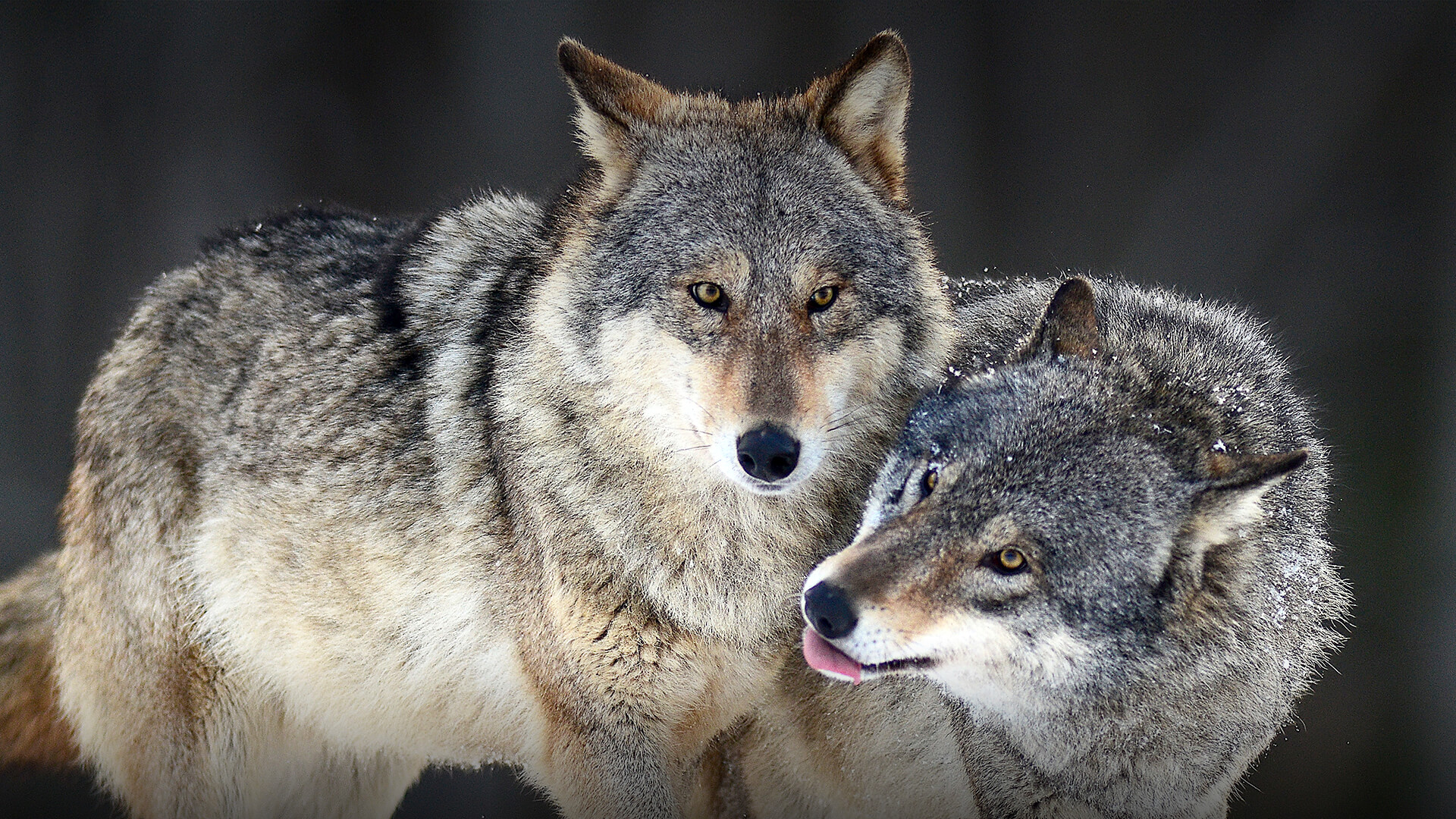
The wolf is one of the most powerful and fascinating wild animals in the world. It is known for its strength, sharp senses, and strong family bonds. Wolves have lived on Earth for thousands of years. They are often seen in stories, movies, and legends. Sometimes they are shown as dangerous animals, but in real life, wolves are very intelligent and social creatures.
Wolves belong to the dog family. In fact, domestic dogs come from wolves. Even today, you can see many similarities between dogs and wolves in their body shape, behavior, and communication style.
In this article, we will learn about wolves in simple and easy words. We will talk about their appearance, types, habitat, food, behavior, family life, and their importance in nature.
What Is a Wolf?
A wolf is a large wild animal that looks like a big dog. It has a strong body, long legs, sharp teeth, and thick fur. Wolves are built for survival. They can run fast and travel long distances in search of food.
The most common type of wolf is the gray wolf. Its fur can be gray, white, black, brown, or a mix of colors. The color of the fur usually depends on where the wolf lives. For example, wolves living in cold areas often have thicker and lighter-colored fur.
An adult wolf can weigh between 25 to 80 kilograms, depending on the type. They usually live for about 6 to 8 years in the wild, but some may live longer.
Types of Wolves
There are different types of wolves around the world. Some of the well-known ones are:
1. Gray Wolf
The gray wolf is the most common and widely spread wolf. It lives in North America, Europe, and parts of Asia. This wolf is very adaptable and can survive in forests, mountains, deserts, and cold regions.
2. Arctic Wolf
The Arctic wolf lives in very cold areas of the Arctic. It has thick white fur that helps it stay warm and blend into the snow. Because it lives in remote areas, it is less threatened by humans compared to other wolves.
3. Red Wolf
The red wolf is smaller than the gray wolf. It has reddish-brown fur. This wolf lives mainly in parts of the United States. Sadly, it is one of the most endangered wolf species.
4. Ethiopian Wolf
This wolf lives in Africa, especially in the highlands of Ethiopia. It is one of the rarest wolves in the world.
Where Do Wolves Live?
Wolves can live in many different places. They are very adaptable animals. They can survive in:
-
Forests
-
Mountains
-
Grasslands
-
Deserts
-
Arctic tundra
They usually choose places where there is enough food and space to roam freely. Wolves need large areas because they travel many kilometers while hunting.
A group of wolves lives in a specific area called a territory. They protect this territory from other wolf packs.
What Do Wolves Eat?
Wolves are carnivores, which means they eat meat. They are strong hunters and usually hunt large animals like:
-
Deer
-
Elk
-
Moose
-
Wild sheep
-
Rabbits
Wolves often hunt in groups, which makes them very successful. Working together helps them catch animals that are much bigger than them.
If large animals are not available, wolves may eat smaller animals, birds, or even fish. Sometimes, if food is very scarce, they may eat leftover animals.
Wolf Pack and Family Life
One of the most interesting things about wolves is their strong family bond. Wolves live in groups called packs. A pack usually has 5 to 10 members, but sometimes it can be larger.
A pack is like a family. It usually includes:
-
One leading male (alpha male)
-
One leading female (alpha female)
-
Their pups
-
Sometimes other related wolves
The alpha pair leads the group. They make decisions about hunting and moving to new places. But this leadership is not always about fighting. It is more about experience and respect.
Wolves take good care of their young. When pups are born, the whole pack helps protect and feed them. Baby wolves are called pups. They are born blind and helpless, but they grow quickly.
This strong teamwork is one reason why wolves are such successful animals.
How Do Wolves Communicate?
Wolves communicate in many ways. The most famous way is howling. Wolves howl to:
-
Call other pack members
-
Warn other wolves to stay away
-
Show their location
-
Strengthen pack bonds
Each wolf has a unique howl. When a pack howls together, it may sound like many more wolves than there actually are. This can scare away enemies.
Wolves also communicate through:
-
Body language
-
Facial expressions
-
Tail movement
-
Scent marking
They use scent marking to show their territory. This helps avoid fights with other packs.
Are Wolves Dangerous?
Many people think wolves are very dangerous. This idea often comes from old stories. In reality, wolves usually avoid humans. Attacks on humans are very rare.
Wolves are more afraid of people than people are of them. They prefer to stay away from human areas. However, if they feel threatened or very hungry, they may act aggressively.
It is always important to respect wild animals and not disturb them.
Wolves and Nature
Wolves play a very important role in nature. They help keep the ecosystem balanced.
For example, wolves control the population of deer and other animals. If there are too many deer, they may eat too many plants and damage forests. Wolves help prevent this by hunting weak or sick animals.
When wolves were removed from some areas, the environment suffered. But when they were brought back, nature slowly became healthier again. This shows how important wolves are in the food chain.
Wolves and Humans
In history, humans and wolves have had a complicated relationship. Long ago, humans hunted wolves because they feared them or wanted to protect livestock.
Because of hunting and loss of habitat, wolves disappeared from many places. Today, some wolf species are protected by law. Conservation programs are helping wolf populations recover.
Interestingly, dogs are direct descendants of wolves. Thousands of years ago, some wolves began living near humans. Over time, they became the dogs we know today.
Interesting Facts About Wolves
-
Wolves can run up to 60 kilometers per hour.
-
They can travel more than 30 kilometers in one day.
-
A wolf’s sense of smell is very strong.
-
Wolves can hear sounds from far away.
-
They have excellent night vision.
-
Wolves rarely bark like dogs. They mostly howl.
Why Wolves Are Important to Protect
Some wolf species are endangered. The main reasons are:
-
Habitat loss
-
Hunting
-
Conflict with humans
-
Climate change
Protecting wolves helps protect the entire ecosystem. When wolves are safe, forests, rivers, and other animals also benefit.
Many countries now have wildlife protection programs. These programs aim to reduce conflict between farmers and wolves and protect natural habitats.
Wolves in Stories and Culture
Wolves appear in many cultures around the world. In some cultures, wolves are seen as symbols of strength, loyalty, and courage. In others, they are shown as scary animals.
Stories like “Little Red Riding Hood” made wolves look dangerous. But many modern stories show wolves as brave and intelligent creatures.
Native American tribes often respected wolves and saw them as teachers and guides.
Conclusion
The wolf is a strong, intelligent, and social animal. It lives in many parts of the world and plays a very important role in nature. Wolves live in packs, care deeply for their families, and work together while hunting.
Even though some people fear them, wolves usually avoid humans. They are not evil or cruel. They are simply wild animals trying to survive.
By understanding wolves better, we can learn to respect them and protect them. Wolves are not just part of the wild—they are an important part of our planet’s balance.
Learning about wolves reminds us that every animal, no matter how big or strong, has a special place in nature.
Read Also: Keep your face towards the sunshine and shadows will fall behind you
Watch Also: https://www.youtube.com/@TravelsofTheWorld24











Leave a Reply