
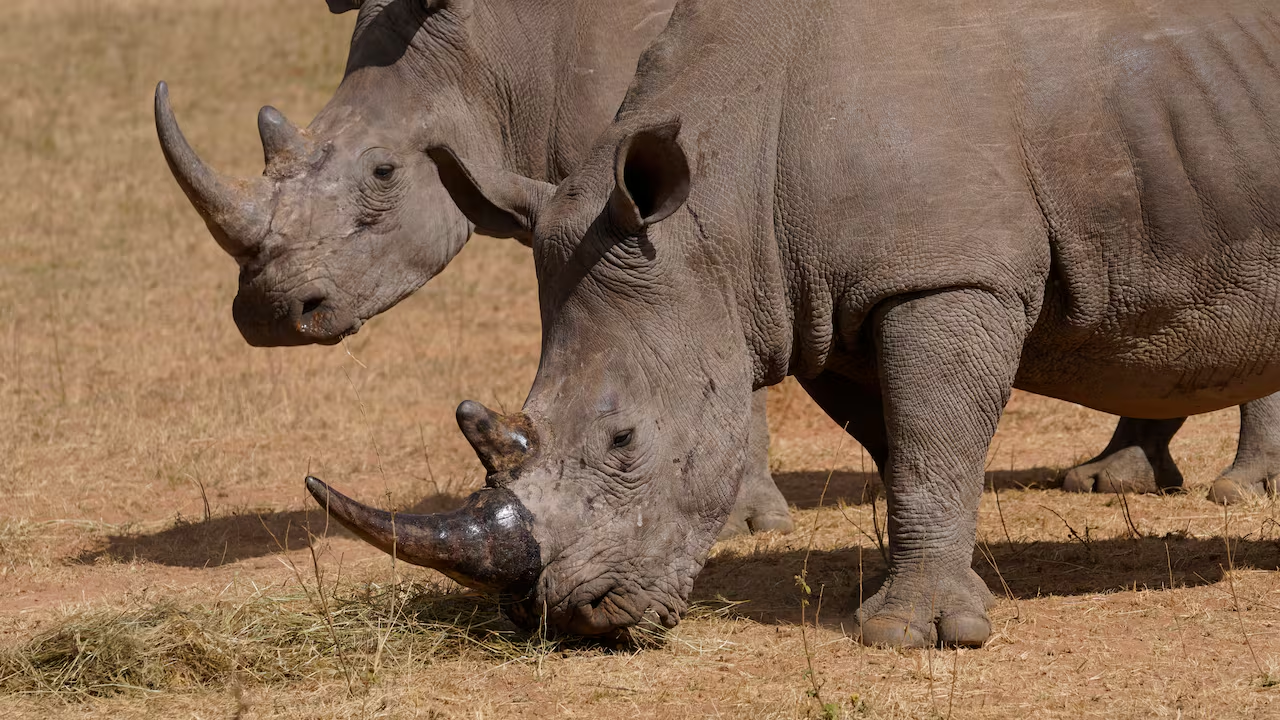
Rhinoceroses, often called rhinos, are among the largest land mammals in the world. They are known for their thick skin, large size, and one or two horns on their snout. Rhinos are powerful and impressive animals, living mainly in Africa and Asia.
Rhinos are herbivores, which means they eat plants, grasses, and leaves. Despite their size and strength, they are usually calm animals and prefer to avoid humans. However, they can be dangerous if threatened.
In this article, we will learn about rhinos in simple words, including their types, appearance, habitat, diet, behavior, reproduction, and importance in nature.
What Is a Rhinoceros?
A rhinoceros is a large mammal with thick, tough skin that looks like armor. They have a large head, strong legs, and one or two horns made of keratin—the same material as human hair and nails.
Adult rhinos can weigh between 800 to 2,300 kilograms, depending on the species. They can reach lengths of 2.5 to 4 meters and a height of about 1.5 to 1.8 meters at the shoulder.
Rhinos have poor eyesight but an excellent sense of smell and hearing. This helps them detect danger, find food, and communicate with other rhinos.
Types of Rhinoceroses
There are five main species of rhinos in the world:
1. White Rhinoceros
The white rhino is the largest rhino species, found in southern Africa. It has a wide mouth for grazing grass and a calm temperament.
2. Black Rhinoceros
The black rhino lives in Africa and has a pointed upper lip, which helps it eat leaves and branches. It is smaller than the white rhino but can be more aggressive.
3. Indian Rhinoceros
This rhino lives in India and Nepal. It has a single horn and thick, folded skin that looks like armor plates.
4. Javan Rhinoceros
Found in Indonesia, the Javan rhino is very rare and critically endangered. It also has a single horn and prefers dense forests.
5. Sumatran Rhinoceros
The smallest rhino species, it has two horns and a hairy body. It lives in Indonesia and is also critically endangered.
Where Do Rhinos Live?
Rhinos live in different habitats, depending on the species. Some prefer grasslands, while others live in forests or swamps.
-
African rhinos (white and black) live in savannas, grasslands, and open woodlands.
-
Asian rhinos (Indian, Javan, Sumatran) live in tropical forests, grasslands, and swamps.
Rhinos often create paths in grasslands and forests, which other animals use. They also wallow in mud to cool their bodies and protect their skin from insects and sunburn.
What Do Rhinos Eat?
Rhinos are herbivores. Their diet depends on their species:
-
White rhinos: Mostly grass
-
Black rhinos: Leaves, branches, and shrubs
-
Indian, Javan, Sumatran rhinos: Grass, leaves, fruits, and aquatic plants
Rhinos spend several hours a day eating. Their wide mouths or prehensile lips help them gather food efficiently.
Behavior of Rhinos
Rhinos are mostly solitary animals, except mothers with babies. They communicate using sounds, scents, and body movements.
They have poor eyesight but rely on smell and hearing to detect predators or other rhinos. Rhinos are fast runners for their size and can charge at speeds of up to 50 km/h (31 mph) when threatened.
Mud wallowing is an important behavior. It helps rhinos keep cool, remove parasites, and maintain healthy skin.
Reproduction and Family Life
Female rhinos give birth to one baby, called a calf, after a pregnancy of 15–16 months. The calf stays close to its mother for up to three years, learning to find food and survive.
Male rhinos are usually solitary but may interact with females during mating season. Rhinos reach sexual maturity between 5 and 10 years old, depending on the species.
Are Rhinos Dangerous?
Rhinos are usually calm but can be dangerous if they feel threatened. They can charge at humans or predators, using their horns as weapons.
Despite their size, rhinos can be fast and agile, making them capable of defending themselves when necessary.
Importance of Rhinos in Nature
Rhinos play a key role in ecosystems. They help shape vegetation by grazing and browsing, which maintains grasslands and forests.
Their paths through dense vegetation create routes used by smaller animals. Mud wallows also create small water pools that benefit birds, insects, and other animals.
By controlling plant growth, rhinos help maintain healthy and balanced ecosystems.
Rhinos and Humans
Rhinos have been threatened by humans for centuries. Their horns are highly valued in some cultures for traditional medicine and as ornaments, leading to illegal poaching.
Habitat loss due to agriculture and development also threatens rhino populations. Conservation programs, national parks, and wildlife reserves help protect rhinos and allow their numbers to recover.
Rhinos are also important for ecotourism, attracting visitors to safaris and wildlife parks around the world.
Interesting Facts About Rhinos
-
Rhinos have thick skin that can be 1.5–5 cm thick.
-
They use mud wallowing to cool off and protect their skin.
-
Rhinos can run up to 50 km/h (31 mph).
-
They have a strong sense of smell and hearing but poor eyesight.
-
The Javan and Sumatran rhinos are critically endangered, with very few left in the wild.
-
Rhinos are important ecosystem engineers, shaping habitats for other animals.
Conclusion
Rhinos are mighty, impressive, and important animals. Their size, strength, and unique features make them one of the most iconic mammals in the world.
Protecting rhinos is essential not only for their survival but also for the health of the ecosystems they inhabit. By learning about rhinos, we can appreciate the beauty and importance of wildlife and understand the need for conservation.
Read Also: Keep your face towards the sunshine and shadows will fall behind you
Watch Also: https://www.youtube.com/@TravelsofTheWorld24










Leave a Reply