
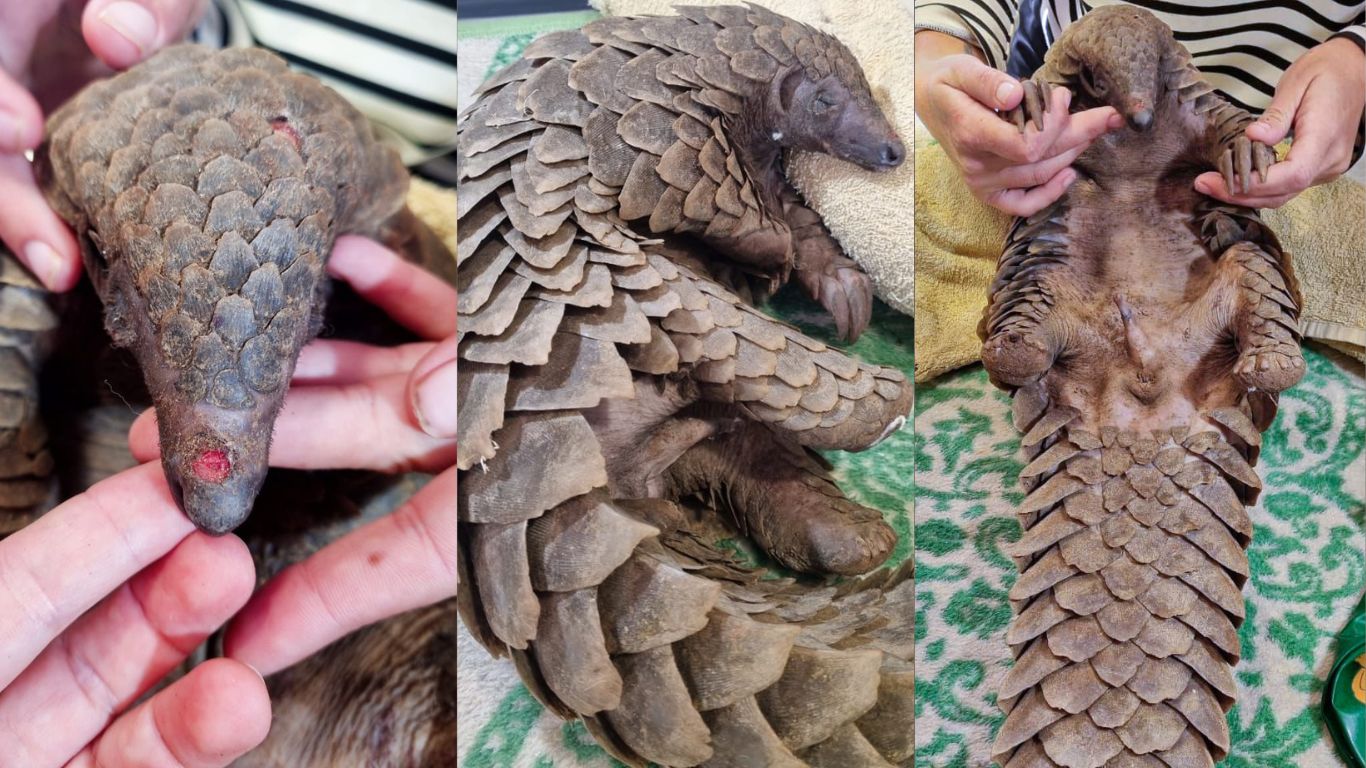
Pangolins are one of the most unique and mysterious animals in the world. They are small to medium-sized mammals covered with hard scales, which protect them from predators. Because of their unusual appearance and shy nature, pangolins are often called “scaly anteaters.”
Pangolins are found in parts of Africa and Asia. They are nocturnal, meaning they are active at night and sleep during the day. These animals are insectivores—they mainly eat ants and termites. Despite their strong armor, pangolins are gentle and avoid humans whenever possible.
In this article, we will explore pangolins in simple words, including their appearance, types, habitat, diet, behavior, reproduction, and their importance in nature.
What Is a Pangolin?
A pangolin is a mammal with a long, slender body covered in hard, overlapping scales. Its scales are made of keratin, the same material as human nails. These scales act like armor to protect the pangolin from predators.
Pangolins have a long, sticky tongue that they use to catch ants and termites. Their tongue can be longer than their body when fully extended. They have small eyes and ears and a keen sense of smell, which helps them locate insects underground or inside logs.
Most pangolins are about 30 to 100 centimeters long, depending on the species. They usually weigh between 2 to 35 kilograms. Pangolins are shy and solitary, spending most of their time searching for food.
Types of Pangolins
There are eight species of pangolins in the world. Four live in Asia, and four live in Africa.
1. Indian Pangolin
This pangolin is found in India and Southeast Asia. It has brown scales and is nocturnal. It eats ants, termites, and small insects.
2. Chinese Pangolin
Found in China and neighboring countries, this pangolin is smaller than the Indian pangolin and also feeds on ants and termites.
3. Sunda Pangolin
This pangolin lives in Southeast Asia, including Malaysia and Indonesia. It is endangered due to hunting and habitat loss.
4. Philippine Pangolin
Found in the Philippines, this pangolin is critically endangered. It has unique features that help it survive in dense forests.
5. African Ground Pangolin
This pangolin lives in African savannas and grasslands. It has strong claws for digging termite mounds.
6. Black-Bellied Pangolin
Found in West and Central Africa, it has a dark belly and brown scales. It is mostly nocturnal.
7. White-Bellied Pangolin
This species lives in Central Africa and is similar to the black-bellied pangolin but has a lighter belly.
8. Giant Pangolin
The largest species, it can reach up to 1.5 meters long. It lives in Africa and feeds on termites and ants.
Where Do Pangolins Live?
Pangolins live in forests, grasslands, and savannas in Africa and Asia. They prefer areas with plenty of insects, fallen logs, and termite mounds.
They make burrows underground or use hollow trees to sleep during the day. Their homes provide safety from predators and a cool place to rest in hot weather.
What Do Pangolins Eat?
Pangolins are insect-eating mammals. They mainly eat ants and termites, but they sometimes eat other small insects.
Pangolins do not have teeth. Instead, they use their strong stomach muscles to grind food, sometimes with the help of small stones they swallow. Their long, sticky tongue helps them reach insects deep inside tunnels and mounds.
Because they eat insects, pangolins help control insect populations, which is important for the ecosystem.
Behavior of Pangolins
Pangolins are mostly solitary animals. They come together only to mate. They are nocturnal, searching for food at night and resting during the day in their burrows.
When threatened, pangolins have a unique defense. They roll into a tight ball, covering their soft belly with hard scales. Predators like lions or leopards cannot bite through their armor. Some pangolins can also release a strong-smelling substance to scare attackers.
Pangolins are shy and careful. They rarely make noise and move slowly when searching for food.
Reproduction and Family Life
Pangolins usually have one baby at a time, though occasionally two are born. The baby pangolin is born with soft scales, which harden after a few days.
The mother carries her baby on her tail or keeps it in the burrow until it can survive alone. The baby learns to find insects and defend itself.
Pangolins reach adulthood in about 2 to 5 years, depending on the species.
Are Pangolins Dangerous?
Pangolins are not dangerous to humans. They are peaceful animals that avoid people. Their main defense is their armor-like scales, not aggression.
Because they are shy and solitary, pangolins rarely attack or pose a threat. The biggest danger to pangolins comes from humans, not other animals.
Importance of Pangolins in Nature
Pangolins play an important role in ecosystems. By eating ants and termites, they help control insect populations. This protects trees and crops from damage.
Their burrows are also useful for other animals, such as small mammals, reptiles, and insects, which use the abandoned burrows for shelter.
Pangolins and Humans
Pangolins are sadly one of the most trafficked mammals in the world. People hunt them for their scales, meat, and traditional medicine. This illegal trade has caused pangolin populations to decline sharply.
All eight species of pangolins are now protected by law, and many are listed as endangered or critically endangered. Conservation programs aim to protect pangolins and their habitats from deforestation and illegal hunting.
Interesting Facts About Pangolins
-
Pangolins are the only mammals fully covered with scales.
-
They can roll into a tight ball to protect themselves.
-
Pangolins have a long, sticky tongue to catch ants and termites.
-
They are nocturnal and solitary.
-
Pangolins do not have teeth and use strong stomach muscles to grind food.
-
Baby pangolins ride on their mother’s tail until they are old enough to survive alone.
Conclusion
Pangolins are unique, gentle, and mysterious mammals. Their scaly armor, nocturnal habits, and insect-eating diet make them fascinating creatures.
They play an important role in ecosystems by controlling insect populations and providing shelter for other animals. Unfortunately, pangolins face serious threats from humans. Protecting pangolins is essential not only for their survival but also for the health of forests and grasslands.
Learning about pangolins helps us appreciate the incredible diversity of wildlife and reminds us why every animal matters in nature.
Read Also: Keep your face towards the sunshine and shadows will fall behind you
Watch Also: https://www.youtube.com/@TravelsofTheWorld24






Leave a Reply