
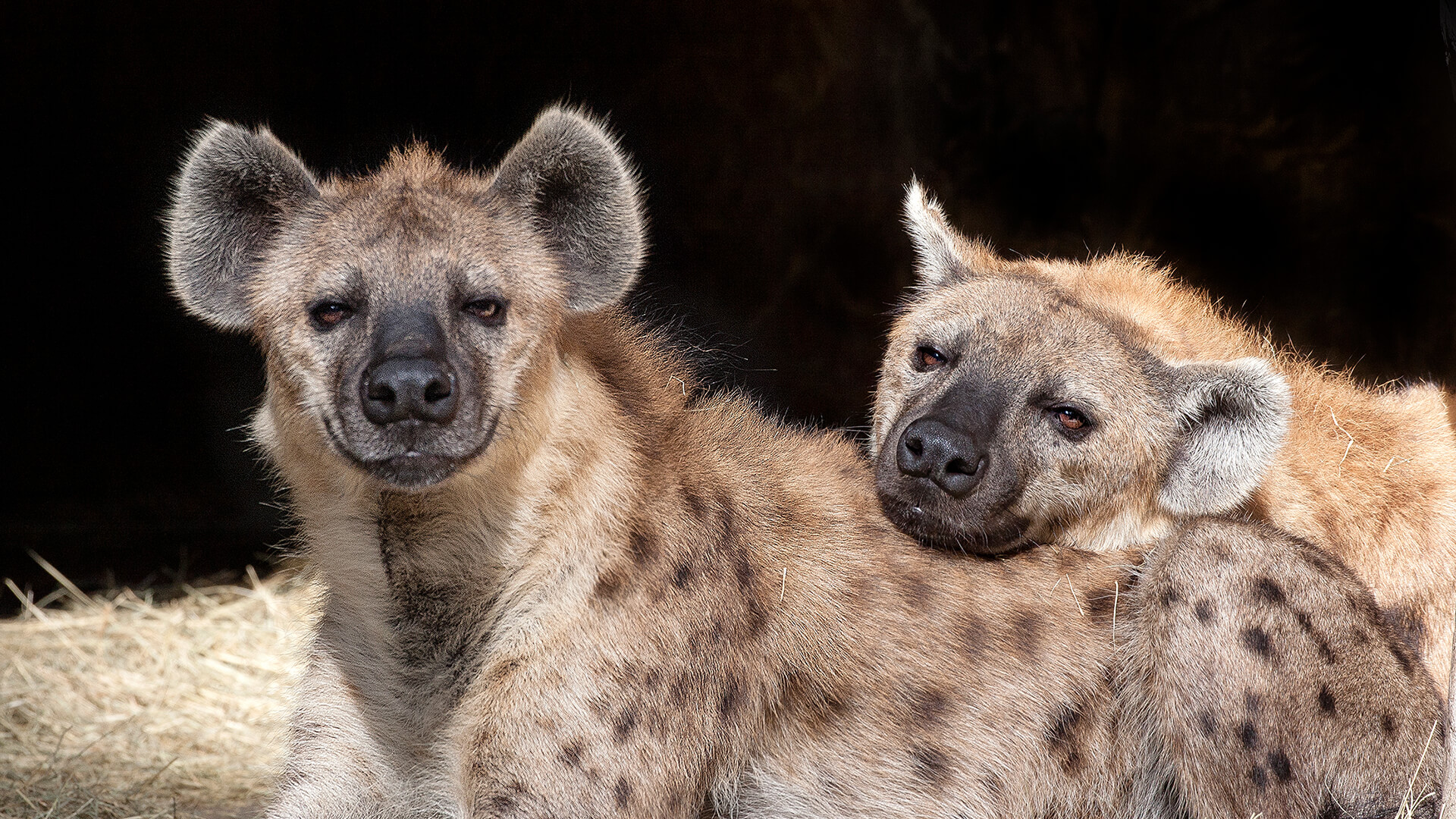
Hyenas are wild animals known for their strength, intelligence, and unique social behavior. They are often misunderstood because of their loud laugh-like calls and scavenging habits. However, hyenas are highly skilled hunters and play an important role in the ecosystem.
Hyenas belong to the carnivore family, which means they mainly eat meat. They are found in Africa and parts of Asia, living in savannas, grasslands, and forests. There are different types of hyenas, each with its own habits and characteristics.
In this article, we will learn about hyenas in simple words, including their appearance, types, habitat, diet, behavior, family life, and importance in nature.
What Is a Hyena?
A hyena is a medium to large-sized mammal with a strong, muscular body, powerful jaws, and sharp teeth. Their teeth are very strong and can crush bones, which helps them eat almost every part of a carcass.
Hyenas have spotted, striped, or plain fur depending on the species. They are fast runners, capable of chasing prey for long distances. Adult hyenas usually weigh between 40 to 90 kilograms and measure 1 to 1.5 meters in length.
Hyenas are known for their loud vocalizations, including the famous “laugh.” This sound is used to communicate with other hyenas in the group.
Types of Hyenas
There are four main species of hyenas in the world:
1. Spotted Hyena
The spotted hyena is the largest and most common type. It has a sandy or yellowish coat with dark spots. Spotted hyenas are skilled hunters and live in large groups called clans.
2. Striped Hyena
This hyena has gray or brown fur with black stripes on its body and legs. It is smaller than the spotted hyena and mostly scavenges for food.
3. Brown Hyena
Brown hyenas live in southern Africa. They have long, dark brown fur and are mostly scavengers. They often travel at night searching for food.
4. Aardwolf
The aardwolf is the smallest hyena species. It mainly eats termites and other insects. It is not a strong predator like other hyenas but plays an important role in controlling insect populations.
Where Do Hyenas Live?
Hyenas live mainly in Africa, including savannas, grasslands, deserts, and forests. Some species, like the striped hyena, are also found in parts of the Middle East and India.
They prefer areas with open spaces to hunt and enough hiding spots for resting. Hyenas often create dens in caves, burrows, or abandoned animal holes. These dens provide shelter for the group and young hyenas.
What Do Hyenas Eat?
Hyenas are carnivores, meaning they eat meat. Their diet includes:
-
Large animals like wildebeests, antelopes, and zebras
-
Small mammals, birds, and reptiles
-
Carcasses left by other predators
-
Insects (for aardwolves)
Spotted hyenas are skilled hunters and often hunt in groups. They can chase prey over long distances and bring it down with teamwork. Some hyenas also scavenge and eat food left by lions or other predators.
Behavior of Hyenas
Hyenas are social animals. Spotted hyenas live in large clans of up to 80 members. These clans have a strict hierarchy led by the dominant female, called the alpha female.
Hyenas communicate using vocalizations, body language, and scent marking. Their famous “laugh” is actually a way to signal excitement, fear, or submission to others.
They are intelligent and adaptable, able to survive in harsh conditions. Hyenas are also excellent runners and can cover long distances while hunting or searching for food.
Family Life of Hyenas
Hyenas have strong family bonds. The alpha female leads the clan, and her offspring receive special care and protection. Mothers nurse their young in dens for several months until they can hunt and eat solid food.
Young hyenas learn hunting, social behavior, and survival skills from their mother and other clan members. Cubs grow quickly and usually stay in the clan for life.
Are Hyenas Dangerous?
Hyenas can be dangerous to humans if threatened, especially spotted hyenas. They have powerful jaws capable of crushing bones. However, most hyenas avoid humans and prefer to hunt wild animals.
Hyenas are important predators and scavengers. Their presence helps maintain balance in ecosystems by controlling populations of herbivores and cleaning up carcasses.
Importance of Hyenas in Nature
Hyenas play a critical role in the wild. They help control herbivore populations, preventing overgrazing and maintaining healthy grasslands.
As scavengers, they clean up dead animals, which reduces the spread of disease. Hyenas also influence the behavior of other predators, helping maintain balance in the ecosystem.
Hyenas and Humans
Hyenas appear in many cultures and folklore. They are sometimes seen as symbols of trickery, cunning, or strength.
Humans have threatened hyenas through hunting, habitat loss, and conflicts with livestock farming. Conservation programs aim to protect hyenas and their habitats, ensuring they continue to play their role in nature.
Interesting Facts About Hyenas
-
Spotted hyenas are skilled hunters and often work in groups.
-
Hyenas have the strongest jaws of any land predator relative to their size.
-
Hyenas can run at speeds up to 60 km/h (37 mph) for long distances.
-
The alpha female leads the clan and is more powerful than the males.
-
Aardwolves mainly eat termites and other insects.
-
Hyenas communicate through laughter, growls, and other vocal sounds.
Conclusion
Hyenas are smart, strong, and fascinating animals. Their hunting skills, social behavior, and important role in ecosystems make them unique predators.
Even though they are often misunderstood, hyenas help keep nature balanced by controlling herbivore populations and cleaning up carcasses. Protecting hyenas ensures that these amazing animals continue to survive in the wild.
Learning about hyenas teaches us how every animal, even those we fear or misunderstand, is important for the health of our planet.
Read Also: Keep your face towards the sunshine and shadows will fall behind you
Watch Also: https://www.youtube.com/@TravelsofTheWorld24





Leave a Reply