
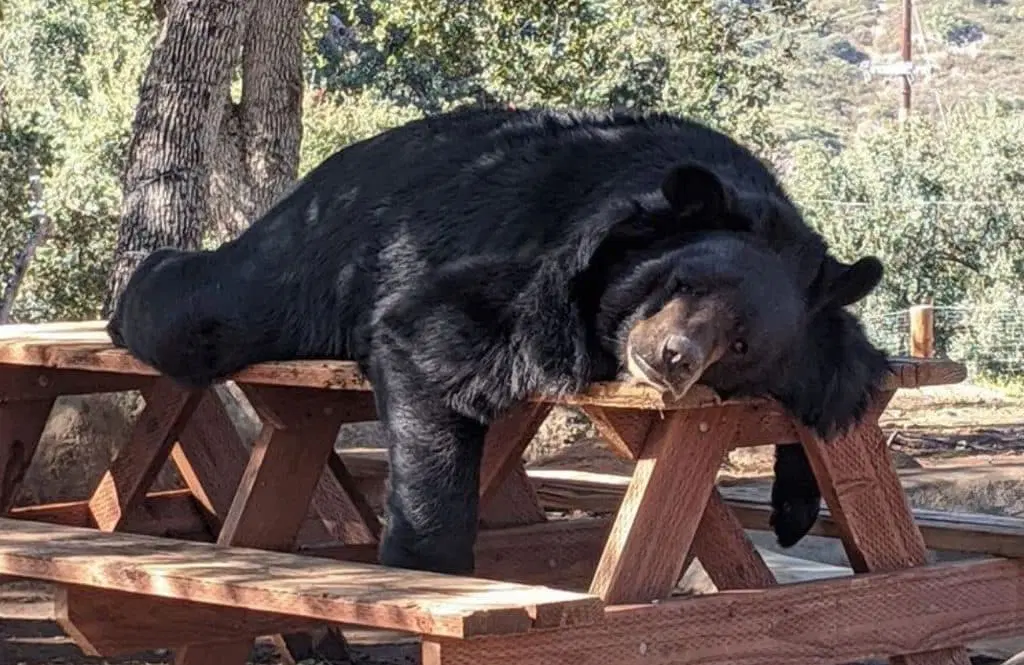
Bears are one of the largest and most powerful animals in the wild. They are known for their strength, intelligence, and unique behavior. Bears live in many parts of the world, from cold Arctic regions to warm forests and mountains. People often see bears in stories, movies, and wildlife documentaries. While they can be dangerous, most bears avoid humans and prefer to live peacefully in nature.
Bears belong to the mammal family. This means they are warm-blooded, have fur, and give birth to live babies. They are also omnivores, which means they eat both plants and meat. Bears are fascinating animals with amazing skills for survival. In this article, we will explore bears in simple words, including their types, habitat, behavior, diet, and importance in nature.
What Is a Bear?
A bear is a large animal with a strong body, thick fur, sharp claws, and a big head. They have strong limbs that help them climb, swim, and hunt. Bears are very adaptable and can survive in many environments.
Adult bears can weigh from 100 kilograms to more than 700 kilograms, depending on the type. Male bears are usually bigger than females. Their life span in the wild is about 20 to 30 years, but some may live longer in protected areas.
Bears have excellent senses. Their sense of smell is very strong—sometimes even better than a dog’s. They can smell food from miles away. Their hearing and vision are also very good.
Types of Bears
There are eight main types of bears in the world. Some of the most well-known are:
1. Brown Bear
Brown bears live in North America, Europe, and Asia. They are large and powerful with brown fur, though some may be lighter or darker. Grizzly bears are a type of brown bear. They can hunt fish, eat berries, and even catch small mammals.
2. Polar Bear
Polar bears live in the Arctic, where it is very cold. They have thick white fur and a layer of fat to keep them warm. Polar bears are excellent swimmers and mainly eat seals. They are considered marine mammals because they spend so much time in water.
3. Black Bear
Black bears live in North America. Despite their name, black bears can have brown, reddish, or even white fur. They are smaller than brown bears and usually live in forests. They climb trees well and eat fruits, plants, insects, and small animals.
4. Panda Bear
Pandas live in China and are famous for their black-and-white fur. They mainly eat bamboo, though they sometimes eat small animals. Pandas are very peaceful animals and spend most of their day eating and resting.
5. Asiatic Black Bear
Also called the moon bear, it lives in Asia. It has a black coat with a white patch on the chest. These bears live in forests and eat fruits, insects, and small animals.
6. Sloth Bear
Sloth bears live in India and Sri Lanka. They have shaggy fur and a special nose to suck up termites and ants. They mostly eat insects but also enjoy fruits.
7. Sun Bear
Sun bears are the smallest bears. They live in Southeast Asia and have short black fur with a golden patch on the chest. They climb trees very well and eat fruits, insects, and honey.
8. Spectacled Bear
Spectacled bears live in the Andes mountains in South America. They have dark fur with light markings on the face that look like glasses, giving them their name.
Where Do Bears Live?
Bears can live in many different places. They are very adaptable animals. Some live in:
-
Cold Arctic regions (polar bears)
-
Forests (black bears, brown bears, Asiatic black bears)
-
Mountains (spectacled bears)
-
Tropical areas (sun bears, sloth bears)
Bears usually like areas with trees, water, and plenty of food. They often make dens in caves, hollow trees, or underground burrows.
What Do Bears Eat?
Bears are omnivores, so their diet includes plants, fruits, insects, fish, and small or even large animals. What a bear eats depends on its type and habitat:
-
Brown bears: fish, berries, roots, small mammals
-
Polar bears: seals and fish
-
Black bears: fruits, nuts, insects, small animals
-
Pandas: bamboo
-
Sloth bears: termites, ants, fruits
-
Sun bears: fruits, insects, honey
Bears are skilled hunters and foragers. They can find food in water, on land, and even in trees.
Behavior of Bears
Bears are mostly solitary animals. This means they usually live alone, except for mothers with cubs. However, some bears may gather in places with plenty of food, like rivers full of fish.
Bears are good climbers, swimmers, and runners. They can run very fast for short distances. Despite their size, they are very agile.
During winter, some bears hibernate. Hibernation is a deep sleep where bears do not eat or drink for months. Their body slows down, and they survive on stored fat. Not all bears hibernate; polar bears stay active in winter.
Family Life of Bears
A female bear usually gives birth to 1–3 cubs. Cubs are born blind and helpless and stay with their mother for about 1–2 years. During this time, the mother teaches them how to find food, hunt, and survive in the wild.
The bond between a mother and her cubs is very strong. Cubs learn important skills from their mother and stay close to her until they are ready to live independently.
Are Bears Dangerous?
Bears can be dangerous if they feel threatened or if humans come too close to their cubs. Some bears, like polar bears and brown bears, can attack humans. However, most bears avoid humans and prefer to move away quietly.
It is always important to respect wild bears and not disturb them in their natural habitat. People should avoid feeding bears or approaching them.
Importance of Bears in Nature
Bears play an important role in ecosystems. They help control animal populations by hunting. Bears also spread seeds through their droppings, which helps plants grow.
When bears are healthy and protected, the environment benefits. They are important for forests, rivers, and the overall balance of nature.
Bears and Humans
Bears have been part of human culture for centuries. They appear in myths, stories, and folklore. In some cultures, bears are symbols of strength, courage, and wisdom.
Humans have also hunted bears for their fur, meat, and body parts. This has caused problems for bear populations. Today, many countries protect bears through wildlife laws and conservation programs.
Interesting Facts About Bears
-
Bears can smell food from miles away.
-
Polar bears are excellent swimmers and can swim for hours.
-
Pandas spend up to 14 hours a day eating bamboo.
-
Bears have sharp claws but also use them for digging and climbing.
-
Cubs learn to hunt and survive by watching their mother.
-
Some bears hibernate for up to 7 months during winter.
Conclusion
Bears are strong, intelligent, and majestic animals. They live in many parts of the world and play a very important role in nature. Bears are mostly peaceful, but they can defend themselves when necessary.
From climbing trees to hunting fish, hibernating in winter, and caring for their cubs, bears are fascinating creatures. Protecting bears is important not just for the animals but for the entire environment.
Bears remind us of the power and beauty of wildlife. Learning about them helps us respect nature and understand how every animal has a special role in keeping the world balanced.
Read Also: Keep your face towards the sunshine and shadows will fall behind you
Watch Also: https://www.youtube.com/@TravelsofTheWorld24






Leave a Reply