
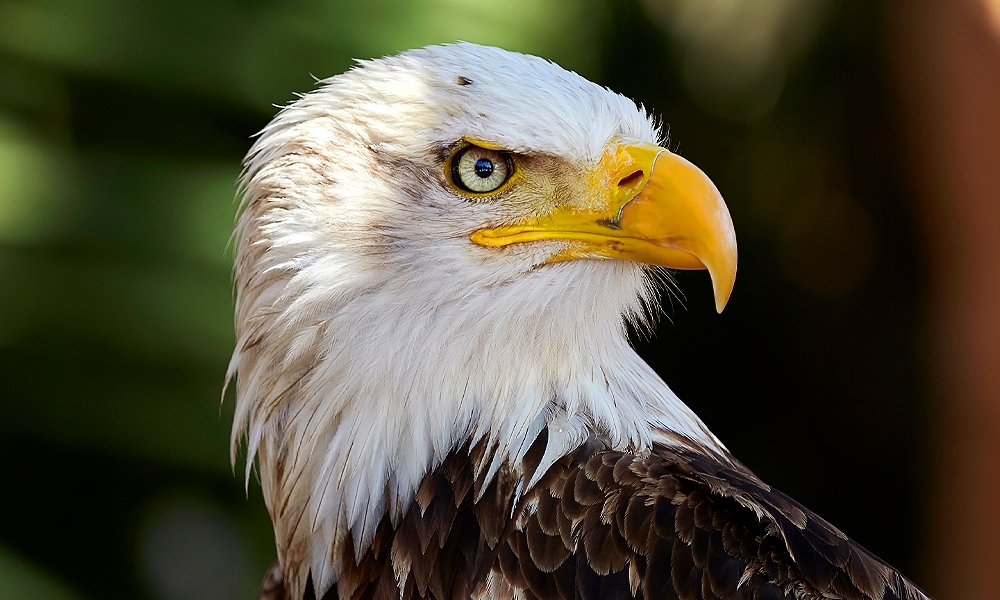
Eagles are one of the most powerful and impressive birds in the world. They are known for their sharp eyesight, strong wings, and incredible hunting skills. People often call eagles the “King of the Skies” because of their speed, strength, and ability to fly at very high altitudes.
Eagles are found in many parts of the world, and there are many different types. They are symbols of freedom, courage, and power in many cultures. In this article, we will explore everything about eagles in simple words. We will talk about their habitat, physical features, hunting skills, behavior, family life, and their importance in nature.
Where Eagles Live
Eagles are found almost everywhere in the world except Antarctica. They prefer areas with open spaces and tall trees or cliffs. This includes forests, mountains, deserts, and near large bodies of water like rivers, lakes, and coasts.
Eagles need space for hunting and nesting. They build their nests, called eyries, on high trees or cliffs to protect their eggs and chicks from predators. Some eagles migrate long distances depending on the season and food availability.
Physical Appearance
Eagles are large birds of prey. They have strong, curved beaks, sharp claws called talons, and broad wings for powerful flight. Their eyesight is amazing—they can see up to several kilometers and spot small animals from the sky.
Most eagles have brown or golden feathers, while their head and tail may be white in some species, like the bald eagle. Adult eagles can weigh between 3 to 6.5 kilograms, with a wingspan of 2 to 2.5 meters.
Eagles are strong and fast. They can dive at speeds over 150 kilometers per hour to catch their prey. Their talons are used to grab and kill animals instantly.
Types of Eagles
There are more than 60 species of eagles in the world. Some well-known types include:
-
Bald Eagle – Found in North America, known for its white head and tail.
-
Golden Eagle – Found in Europe, Asia, and North America, known for its speed and strength.
-
Harpy Eagle – Found in South America, one of the largest and strongest eagles.
-
African Fish Eagle – Found in Africa, lives near water and hunts fish.
Each type has unique features and hunting styles, but all are strong predators.
Behavior and Hunting
Eagles are carnivores, which means they eat meat. They hunt small animals like rabbits, snakes, fish, and even other birds. Some large eagles can hunt animals as big as deer or monkeys.
They usually hunt alone. Eagles fly high in the sky, looking for movement on the ground or in water. Once they spot prey, they dive quickly and grab it with their sharp talons. Their beaks are strong enough to tear meat easily.
Some eagles are opportunistic and also eat dead animals if hunting is difficult. This helps them survive when food is scarce.
Daily Life
Eagles spend a lot of time flying, hunting, or resting in high places. They are active during the day and rest at night.
When not hunting, eagles may clean their feathers, rest, or sit on a high branch to watch over their territory. Their nests are huge, and they may return to the same nest for several years, adding new sticks each season.
Family Life and Babies
Eagles usually mate for life. They build large nests together, often on high trees or cliffs. A female lays 1 to 3 eggs at a time. Both parents take care of the eggs and later feed the chicks.
The baby eagles are called eaglets. They grow quickly and learn to fly within a few months. Both parents protect the eaglets from predators and teach them hunting skills.
Eaglets must be strong to survive. In some cases, the older chick may push the younger one out of the nest, which is nature’s way of ensuring survival of the strongest.
Adaptations for Survival
Eagles are perfect hunters because of their special adaptations:
-
Eyesight – Extremely sharp vision to spot prey from a distance.
-
Talons – Strong and sharp to catch and hold prey.
-
Beak – Curved and strong to tear meat.
-
Wings – Broad and strong for soaring and diving.
-
Camouflage – Brown and golden feathers help them blend into forests or cliffs.
These adaptations make eagles top predators in their ecosystems.
Enemies and Threats
Adult eagles have few natural enemies. Only larger animals, like humans or sometimes bigger eagles, may pose a threat. Young eaglets are more vulnerable to snakes, other birds of prey, or mammals that can climb trees.
The biggest threat to eagles is humans. Hunting, pollution, habitat loss, and use of pesticides have reduced their numbers in many areas. Conservation programs are helping protect eagles and their habitats.
Importance in Nature
Eagles play a very important role in nature. As predators, they help control the population of small animals. This keeps ecosystems balanced.
By feeding on weak or sick animals, they help maintain healthy animal populations. Eagles are also indicators of a healthy environment—if eagles are present, the ecosystem is likely doing well.
Eagles in Culture and Symbolism
Eagles have been admired by humans for centuries. They appear in myths, flags, and national symbols.
-
The bald eagle is the national bird of the United States, symbolizing freedom and courage.
-
In ancient Rome, eagles represented power and strength.
-
Many cultures see eagles as symbols of bravery, vision, and leadership.
Their powerful image has made them icons of courage and authority around the world.
Fun Facts About Eagles
Here are some interesting facts:
-
Eagles can see four to five times better than humans.
-
They can fly at altitudes over 3,000 meters.
-
Some eagles can live up to 30 years in the wild.
-
Eagles build very large nests—sometimes over 2 meters wide.
-
They can carry prey heavier than their own body weight.
-
Eagles are solitary hunters and do not form flocks.
Conservation
Many eagle species are protected by law. National parks and wildlife reserves provide safe habitats for them.
Efforts include banning hunting, reducing pesticide use, and protecting nesting areas. Education programs teach people the importance of eagles in nature.
Some species, like the Philippine Eagle and Harpy Eagle, are critically endangered. Conservation efforts are essential to save these magnificent birds.
Conclusion
Eagles are truly one of the most amazing animals in the world. They are strong, fast, and skilled hunters. Their sharp eyesight, powerful wings, and sharp talons make them top predators in the sky.
Eagles live in many parts of the world, building nests on high trees or cliffs. They hunt alone, care for their young, and play an important role in maintaining balance in nature.
They are symbols of courage, power, and freedom, admired by humans for centuries. Protecting eagles is not only about saving a species—it is about protecting a vital part of our environment.
The eagle teaches us the importance of strength, vision, and patience. Truly, it is the king of the skies.
Read Also: Keep your face towards the sunshine and shadows will fall behind you
Watch Also: https://www.youtube.com/@TravelsofTheWorld24










Leave a Reply