
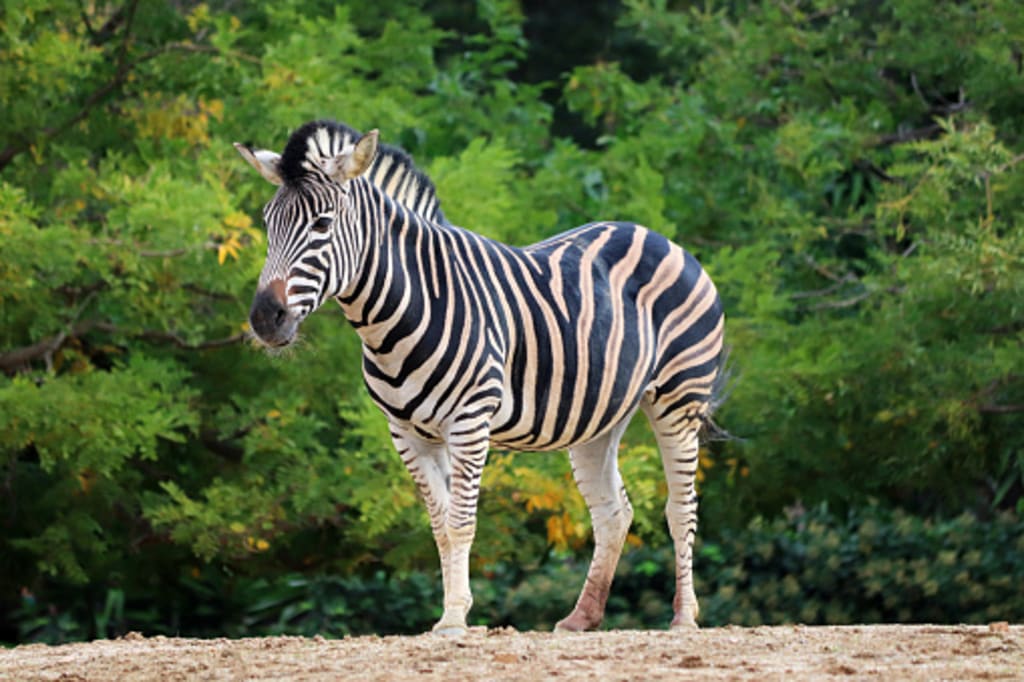
Zebras are wild animals known for their striking black-and-white stripes. They are part of the horse family and are herbivores, feeding mostly on grass. Zebras are social, living in groups called herds, and are found in the grasslands and savannas of Africa. Their speed, sharp senses, and social behavior help them survive in the wild.
In this article, we will explore everything about zebras in simple words. We will talk about their habitat, physical features, behavior, diet, family life, and their importance in nature.
Where Zebras Live
Zebras are found mainly in Africa. They live in grasslands, savannas, and open woodlands. Zebras need large areas to graze and move in search of water and fresh grass.
Some species of zebras live in mountainous areas, while others prefer flat grasslands. They often share their habitat with other herbivores like antelopes, wildebeests, and giraffes.
Physical Appearance
Zebras are medium-sized mammals with horse-like bodies. Their most famous feature is their black-and-white striped coat. Each zebra has a unique pattern of stripes, like human fingerprints.
Zebras have strong legs for running and long necks to reach grass and leaves. They have large eyes on the sides of their heads, giving them a wide view to spot predators.
Adult zebras weigh between 200 to 450 kilograms and stand about 1.2 to 1.5 meters tall at the shoulder. Their tails have tufts of hair at the end, which help swat away flies.
Types of Zebras
There are three main species of zebras:
-
Plains Zebra – The most common species, found in many parts of eastern and southern Africa. They live in large herds and are very social.
-
Mountain Zebra – Found in southern Africa, adapted to mountainous regions. They are smaller and more agile climbers.
-
Grevy’s Zebra – Found in Ethiopia and northern Kenya, larger than other zebras, with narrow stripes and a white belly.
Each species has slightly different habits and habitats but shares the common features of stripes, strong legs, and social behavior.
Behavior and Social Life
Zebras are social animals. They live in herds that provide protection from predators. Herds are usually led by a dominant male called a stallion, along with several females and their young.
Zebras communicate using sounds, body language, and facial expressions. They bark, bray, and snort to warn of danger or call to each other.
Zebras are alert and cautious. They often graze near water sources and remain close together, watching for predators like lions, cheetahs, and hyenas.
Diet and Feeding
Zebras are herbivores. They mostly eat grass, but they also eat leaves, bark, and shrubs if grass is scarce.
They spend much of the day grazing. Zebras have strong teeth that allow them to eat tough grasses. Their digestive system helps extract maximum nutrients from plants, even in dry seasons.
Zebras often graze alongside other herbivores, which helps them detect predators and find fresh food.
Speed and Survival
Zebras are fast runners. They can reach speeds of up to 65 kilometers per hour for short distances. Their speed, agility, and endurance help them escape predators.
Zebras also rely on teamwork for survival. Herds stay close, and members take turns keeping watch for danger. Their striped coat may confuse predators by making it hard to single out one animal in a moving group.
Family Life and Foals
Zebras give birth to a single baby called a foal after about 12–13 months of pregnancy. Foals can stand and walk within an hour of birth.
The mother protects the foal and teaches it to graze and follow the herd. Foals stay close to their mother for several months before becoming independent.
Family bonds are strong in zebras. The stallion protects his females and foals, and zebras often groom each other to strengthen social ties.
Enemies and Threats
Zebras face many predators in the wild. Lions, cheetahs, hyenas, and wild dogs often hunt them. Young foals are most at risk.
Humans also threaten zebras through habitat destruction, hunting, and competition with livestock. Loss of grasslands reduces food and water for wild herds.
Despite these threats, zebras are alert, fast, and social, which helps them survive in the wild.
Importance in Nature
Zebras are important for ecosystems:
-
They help maintain grasslands by grazing, which allows new plants to grow.
-
Their movement and grazing patterns benefit other herbivores and birds.
-
Zebras are prey for big cats, supporting predator populations.
-
They help spread seeds through their droppings, promoting plant growth.
Zebras are an essential part of African grassland ecosystems and contribute to biodiversity.
Adaptations for Survival
Zebras have several adaptations that help them survive:
-
Stripes – Camouflage them in tall grass and confuse predators.
-
Strong legs – Run fast and kick predators if attacked.
-
Social herds – Provide protection and alert systems.
-
Wide teeth and strong jaws – Eat tough grasses efficiently.
-
Sharp senses – Eyes, ears, and smell help detect danger.
These adaptations make zebras effective at surviving in dangerous environments.
Fun Facts About Zebras
Here are some interesting facts:
-
No two zebras have the same stripe pattern.
-
Zebras can sleep standing up, which helps them escape predators quickly.
-
They often form “nursery herds” where several mothers watch their young together.
-
Zebras can kick with great force to protect themselves.
-
They often graze with other herbivores, like wildebeests, for safety.
-
Zebras can run fast but rely on stamina and teamwork to escape predators.
Conservation
Most zebra species are not endangered, but some, like Grevy’s zebra, are at risk.
-
Protecting grasslands and water sources helps maintain healthy herds.
-
Anti-poaching laws and wildlife reserves reduce human threats.
-
Educating people about zebras helps preserve habitats and reduce conflicts.
Conservation efforts are important to keep zebras and other wildlife populations thriving.
Conclusion
Zebras are striking, social, and agile animals of Africa. They live in herds, eat grass, and use speed and teamwork to survive predators.
Their black-and-white stripes, alert senses, and strong legs make them well-adapted to grasslands and savannas. Zebras play an important role in maintaining ecosystems, supporting other herbivores, and providing food for predators.
Zebras teach us about cooperation, alertness, and survival in the wild. They are truly one of Africa’s most iconic and fascinating animals.
Read Also: Keep your face towards the sunshine and shadows will fall behind you
Watch Also: https://www.youtube.com/@TravelsofTheWorld24





Leave a Reply