
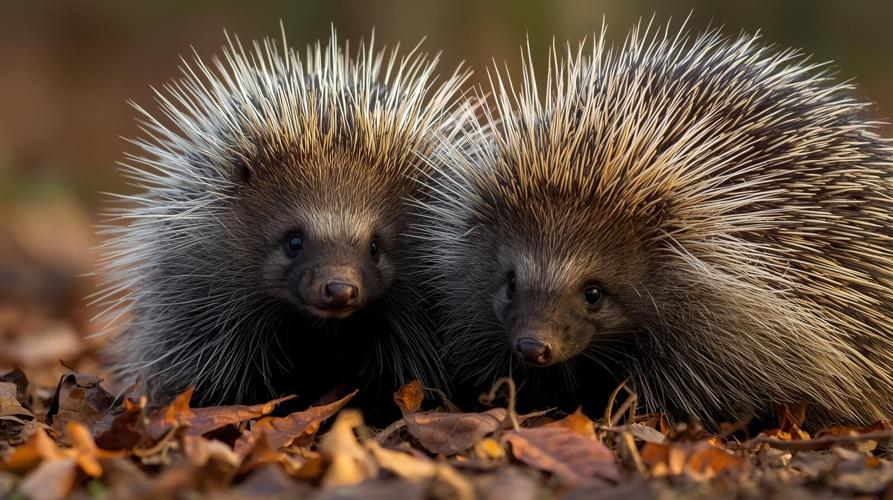
Porcupines are unique mammals known for their sharp quills, which protect them from predators. They are generally quiet, slow-moving animals but have clever ways to survive in forests, grasslands, and deserts. Porcupines are mostly nocturnal, meaning they are active at night, and they feed mainly on plants, bark, and roots.
In this article, we will explore everything about porcupines in simple words. We will talk about their habitat, physical features, behavior, diet, family life, and their importance in nature.
Where Porcupines Live
Porcupines are found in many parts of the world, including North and South America, Africa, and Asia. They live in forests, grasslands, deserts, and rocky areas depending on the species.
Porcupines need places with plenty of trees or rocks to climb, hide, and search for food. Some species prefer dense forests, while others live in open areas where they can find shrubs and grasses.
Physical Appearance
Porcupines are medium-sized rodents with round bodies covered in sharp quills. These quills are modified hairs coated with keratin and are their main defense mechanism.
They have strong legs and sharp claws for climbing trees and digging burrows. Their small eyes and ears help them sense danger, and their teeth are strong for chewing wood, bark, and plant material.
Porcupines vary in size. Some small species weigh around 2 kilograms, while larger ones can weigh up to 35 kilograms. Their quills are usually black and white or brown, and they can detach easily if a predator touches them.
Types of Porcupines
Porcupines are generally divided into two groups:
-
Old World Porcupines – Found in Africa, Europe, and Asia. They live on the ground and are larger. Examples: African crested porcupine.
-
New World Porcupines – Found in North and South America. Many live in trees and have prehensile tails to help them climb. Examples: North American porcupine, Brazilian porcupine.
Both types have sharp quills, but their behavior and habitats differ.
Behavior and Social Life
Porcupines are mostly nocturnal and solitary animals. They spend the day hiding in burrows, caves, or dense vegetation to avoid predators.
At night, they come out to forage for food. Porcupines are slow movers but can climb trees quickly if needed.
When threatened, porcupines raise their quills, making themselves look bigger and more dangerous. Some species even shake their quills to create a rattling sound, warning predators to stay away.
Porcupines are generally quiet but use grunts, growls, and squeaks to communicate.
Diet and Feeding
Porcupines are herbivores. They eat leaves, bark, roots, fruits, and small plants. Some porcupines chew on wood and trees to wear down their constantly growing teeth.
In winter, they may eat evergreen leaves, twigs, and bark when other food is scarce. Their strong teeth allow them to chew tough plant material.
Porcupines play a role in the ecosystem by helping control plant growth and providing food for predators who can handle their quills.
Speed and Survival
Porcupines are slow on land but rely on their quills for defense. When threatened, they back up into predators to drive quills into them. The quills are barbed and difficult to remove.
Predators like big cats, wolves, or birds of prey often avoid porcupines because of the danger their quills pose. Young porcupines are more vulnerable, but even they have soft quills that harden over time.
Porcupines are also good climbers, which helps them escape ground predators and reach food in trees.
Family Life and Babies
Porcupines are mostly solitary, but they come together to mate. After a pregnancy of about 3 to 7 months depending on the species, the female gives birth to one or two babies.
Baby porcupines are called porcupettes. They are born with soft quills that harden within a few days. The mother hides them in burrows or dense vegetation and nurses them until they can eat solid food.
Porcupines grow slowly and remain with their mother for a few months, learning how to find food and avoid danger.
Enemies and Threats
Porcupines have few natural enemies because of their quills. Large predators like cougars, leopards, or eagles may attempt to hunt them, but it is risky.
Humans are a major threat due to hunting for quills, meat, or habitat destruction. Deforestation and urban expansion reduce the spaces porcupines can live safely.
Even with threats, porcupines are resilient and have survived for millions of years thanks to their unique defense system.
Importance in Nature
Porcupines play an important role in ecosystems:
-
They help control plant growth by eating leaves, bark, and roots.
-
Their digging and foraging help aerate soil.
-
Porcupines provide food for predators capable of handling their quills.
-
They spread seeds through their droppings, supporting plant growth.
Porcupines maintain balance in the ecosystem and contribute to healthy forests and grasslands.
Adaptations for Survival
Porcupines have several unique adaptations:
-
Sharp quills – Protect them from predators.
-
Strong teeth – Chew tough plants and wood.
-
Climbing ability – Helps escape predators and find food.
-
Nocturnal behavior – Avoids daytime predators.
-
Thick fur under quills – Keeps them warm in cold weather.
These adaptations make porcupines one of the most well-protected small mammals in the wild.
Fun Facts About Porcupines
Here are some interesting facts:
-
Porcupines cannot shoot their quills, but the quills detach easily when touched.
-
Some porcupines shake their quills to warn predators.
-
Quills can grow back if lost or damaged.
-
Porcupines have poor eyesight but excellent sense of smell and hearing.
-
North American porcupines can climb trees using their sharp claws and prehensile tails.
-
Porcupines are mostly solitary, coming together only to mate.
Conservation
Most porcupine species are not endangered, but some are threatened due to habitat loss and hunting.
-
Protecting forests and grasslands ensures safe habitats.
-
Educating people about porcupines helps reduce unnecessary killing.
-
Wildlife reserves provide safe areas where porcupines can live and reproduce.
Porcupines are important for healthy ecosystems, and conservation efforts help maintain their populations.
Conclusion
Porcupines are slow, gentle, and well-protected mammals with unique defense mechanisms. They live in forests, deserts, and grasslands, eating plants and using their sharp quills to survive predators.
Porcupines are mostly solitary, nocturnal, and excellent climbers. They help maintain ecosystems by controlling plant growth, spreading seeds, and supporting predators in the food chain.
The porcupine teaches us that strength does not always mean speed or size—sometimes clever defense and patience are enough to survive. They are truly one of the most fascinating and unique mammals in the wild.
Read Also: Keep your face towards the sunshine and shadows will fall behind you
Watch Also: https://www.youtube.com/@TravelsofTheWorld24





Leave a Reply