
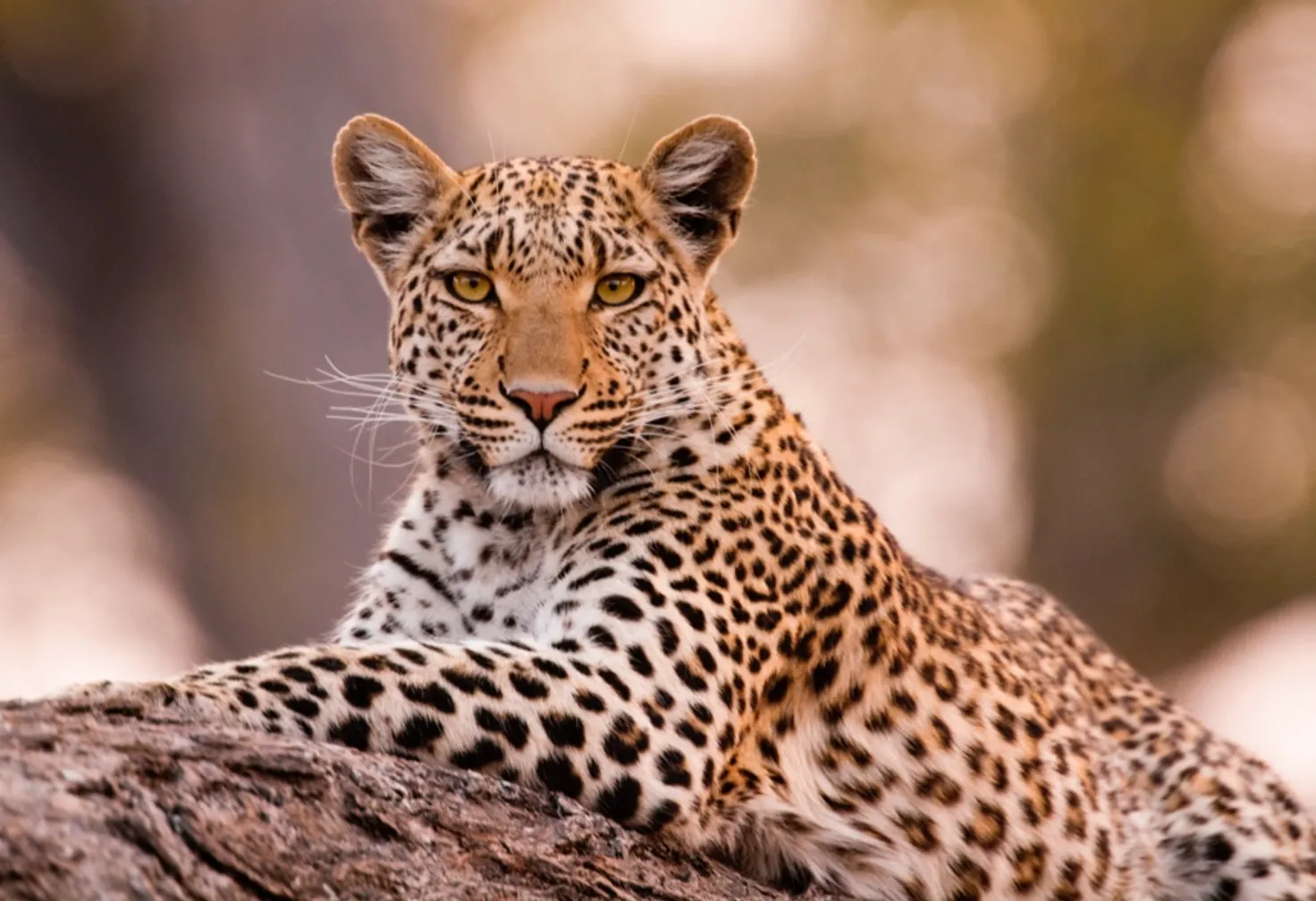
Leopards are strong, stealthy, and beautiful big cats found in Africa and Asia. They are known for their spotted coats, sharp claws, and incredible ability to climb trees. Leopards are skilled hunters, capable of catching prey much larger than themselves. They are mostly solitary, active at night, and one of the most adaptable big cats in the wild.
In this article, we will explore everything about leopards in simple words. We will talk about their habitat, physical features, behavior, diet, family life, and their importance in nature.
Where Leopards Live
Leopards are found in many parts of Africa and Asia, including India, China, and Southeast Asia. They can live in forests, grasslands, mountains, and even deserts.
Leopards are highly adaptable. They can survive near human settlements if there is enough food and cover. Their ability to live in varied habitats makes them one of the most widespread big cats.
Physical Appearance
Leopards are medium-sized big cats with strong, muscular bodies. Their coats are golden-yellow with dark rosettes (spots), which help them blend into forests, grasslands, or rocky areas.
Leopards have strong legs for running, climbing, and jumping. Their long tails help with balance while climbing or chasing prey. They have sharp retractable claws and powerful jaws to catch and kill prey.
Adult leopards weigh between 30 to 90 kilograms, with males generally larger than females. They can grow up to 2 meters in length, not including the tail, which adds another meter.
Types of Leopards
Leopards have several subspecies, each adapted to different habitats:
-
African Leopard – Found throughout sub-Saharan Africa, lives in forests, savannas, and mountains.
-
Indian Leopard – Lives in India, Sri Lanka, and parts of Nepal, adapted to forests and grasslands.
-
Amur Leopard – Rare leopard found in Russia and China, adapted to cold forests.
-
Persian Leopard – Found in Iran and Central Asia, lives in mountains.
-
Snow Leopard – Lives in high mountain ranges of Central Asia, with thick fur for cold climates.
Each subspecies has unique features but shares common traits like strength, stealth, and adaptability.
Behavior and Social Life
Leopards are mostly solitary animals. They mark their territories with urine, scratch marks, and scent to warn other leopards.
They are nocturnal hunters, active mostly at night, but in areas with less human disturbance, they may hunt during the day. Leopards are excellent climbers and often take their prey up into trees to keep it safe from scavengers.
Leopards are quiet and patient hunters. They can stalk prey for hours before attacking, using their strength and speed to make a quick, powerful strike.
Diet and Feeding
Leopards are carnivores. They eat a wide range of animals, depending on what is available in their habitat.
-
Common prey includes deer, antelopes, wild pigs, monkeys, birds, and rodents.
-
They sometimes hunt domestic animals if wild prey is scarce.
Leopards are strong enough to carry prey heavier than themselves up trees to protect it from lions, hyenas, or other scavengers. They have a flexible diet and can survive on smaller animals when larger prey is not available.
Speed and Hunting Skills
Leopards are not the fastest cats, but they are strong, stealthy, and powerful. They can run up to 58 kilometers per hour in short bursts.
Their hunting strategy involves stalking quietly, staying hidden, and then pouncing with precision. Leopards use their sharp claws and teeth to catch and kill prey quickly.
Leopards are also excellent swimmers and climbers, which helps them survive in diverse environments.
Family Life and Cubs
Leopards usually give birth to 2–4 cubs after a pregnancy of about 3 months. Cubs are born blind and helpless, and the mother hides them in dense vegetation, caves, or rocky crevices.
The mother teaches the cubs hunting skills and how to climb trees for safety. Cubs stay with their mother for about a year and a half before leaving to find their own territory.
Enemies and Threats
Leopards are apex predators, meaning they have few natural enemies. Lions, tigers, and hyenas sometimes attack leopards, especially young cubs.
Humans are the biggest threat. Habitat destruction, poaching for skins and body parts, and conflicts with farmers reduce leopard populations.
Despite threats, leopards are highly adaptable, which helps them survive in changing environments.
Importance in Nature
Leopards play a crucial role in ecosystems:
-
They control the population of herbivores, preventing overgrazing.
-
By hunting sick or weak animals, they keep prey populations healthy.
-
They provide food for scavengers when they leave behind parts of their kills.
Leopards are essential for maintaining the balance between predators and prey in their habitats.
Adaptations for Survival
Leopards have several key adaptations:
-
Camouflage coat – Helps them hide while stalking prey.
-
Strong muscles and agility – For running, jumping, and climbing.
-
Sharp claws and teeth – For hunting and defense.
-
Nocturnal behavior – Reduces encounters with humans and other predators.
-
Solitary lifestyle – Reduces competition for food.
These adaptations make leopards highly effective hunters and survivors.
Fun Facts About Leopards
Here are some interesting facts:
-
Leopards can carry prey heavier than themselves up trees.
-
They are the most widespread big cats, found in both Africa and Asia.
-
Leopards can roar, growl, and purr.
-
Snow leopards have thick fur and long tails to survive cold mountains.
-
Leopards mark territory using scent glands and claw marks.
-
They are capable of swimming, climbing, and running efficiently.
Conservation
Many leopard subspecies are threatened or endangered:
-
The Amur leopard is critically endangered, with only a few dozen left in the wild.
-
Habitat protection, anti-poaching laws, and wildlife reserves are crucial for their survival.
-
Educating people about leopards helps reduce human-wildlife conflicts.
Protecting leopards also protects other animals and plants in their ecosystems, keeping nature balanced.
Conclusion
Leopards are silent, powerful, and adaptable hunters of the wild. They live in forests, grasslands, mountains, and deserts, hunting prey and maintaining balance in nature.
Leopards are solitary, intelligent, and patient, relying on stealth and strength to survive. They carry prey into trees, climb mountains, and adapt to various environments.
These big cats remind us of the importance of strength, patience, and adaptability. Protecting leopards ensures the survival of many other species and the health of ecosystems where they live.
Read Also: Keep your face towards the sunshine and shadows will fall behind you
Watch Also: https://www.youtube.com/@TravelsofTheWorld24













Leave a Reply