
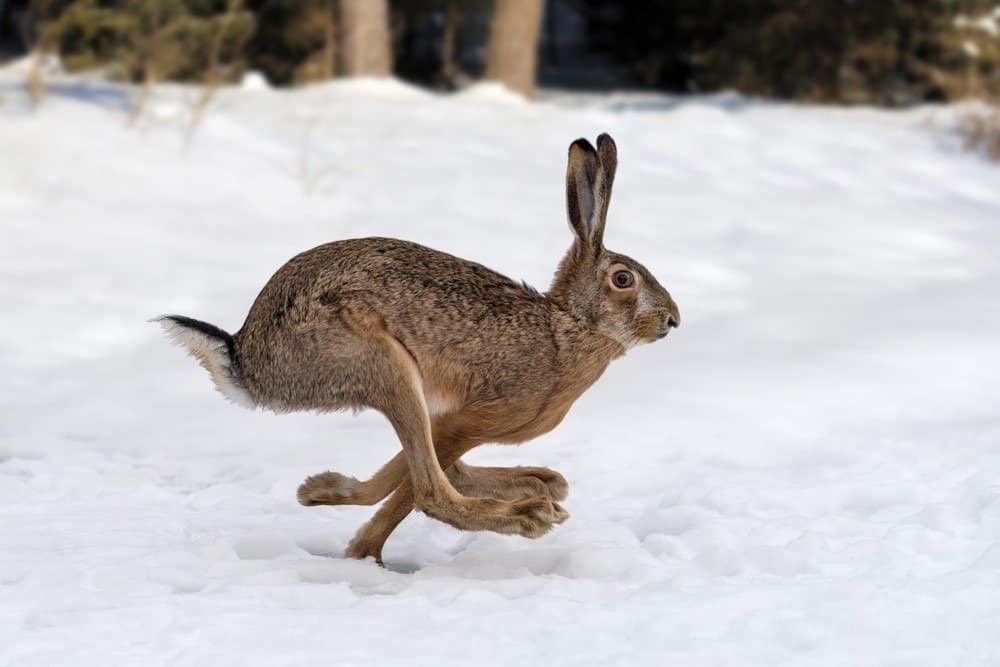
Hares are small, quick, and alert animals found in many parts of the world. They look a lot like rabbits but are usually larger, with longer legs and bigger ears. Hares are known for their incredible speed, sharp senses, and ability to survive in different environments.
In this article, we will explore everything about hares in simple words. We will learn about their habitat, physical features, behavior, diet, family life, and their role in nature.
Where Hares Live
Hares are found in Africa, Europe, Asia, and North America. They can live in many different environments, including grasslands, deserts, forests, and farmlands.
They prefer open spaces where they can see predators from far away. Hares are very adaptable and can survive in both hot and cold climates.
Physical Appearance
Hares have long, strong hind legs, which help them run fast and jump high. Their front legs are shorter but strong enough for digging small burrows.
They have large, sensitive ears that can move in different directions to hear danger. Their eyes are on the sides of their heads, giving them almost a 360-degree view to detect predators.
Hares usually have brown or gray fur in summer, which helps them blend into grasslands. In winter, some species, like the snowshoe hare, grow white fur to hide in snow.
Adult hares weigh between 2 to 5 kilograms, depending on the species, and can be up to 60 centimeters long, not counting the tail.
Differences Between Hares and Rabbits
Many people confuse hares with rabbits, but they are different:
-
Hares are usually larger than rabbits.
-
Hares have longer legs and ears.
-
Hares are born with fur and open eyes, while rabbits are born blind and hairless.
-
Hares live above ground in simple shelters called forms, while rabbits dig burrows.
Behavior and Social Life
Hares are mostly solitary animals. They spend most of their time alone or in pairs. They are very alert and quick to react to danger.
They are active mostly during the day (diurnal), but some species are active at night (nocturnal) depending on predators and food availability.
Hares communicate using body language, thumping their hind legs to warn others of danger, and using scent markings to mark territory.
Diet and Feeding
Hares are herbivores. They eat grass, leaves, bark, twigs, fruits, and vegetables. In winter, they rely on bark and twigs when fresh plants are not available.
They have strong teeth to chew tough plants. Hares also practice coprophagy, which means they eat some of their droppings to absorb nutrients that were not digested the first time. This helps them get more energy from limited food.
Speed and Survival
Hares are famous for their speed. They can run up to 70 kilometers per hour in short bursts, making it hard for predators to catch them. Their long legs and strong muscles help them jump over obstacles and change direction quickly.
When a predator like a fox, eagle, or wolf approaches, the hare freezes first to avoid detection. If discovered, it runs in zigzag patterns to escape.
Family Life and Babies
Hares breed several times a year depending on the climate. The female, called a doe, usually gives birth to 2 to 5 babies at a time, called leverets.
Hares do not build nests like rabbits. Instead, the babies are born in simple depressions in the ground called forms, hidden in grass or shrubs.
Leverets are born with fur and open eyes, which helps them survive without the mother being constantly nearby. The mother visits the babies only a few times a day to feed them.
Young hares grow quickly and can run within hours of birth. They learn survival skills by observing the mother and avoiding predators.
Enemies and Threats
Hares have many predators because they are small and prey animals. Common predators include foxes, wolves, coyotes, eagles, owls, and humans.
Hares rely on speed, alertness, and camouflage to survive. They are most vulnerable when young, during breeding, or when food is scarce.
Humans also pose a threat through hunting and habitat destruction. Farmlands, roads, and urban areas reduce their natural homes.
Importance in Nature
Hares play a vital role in ecosystems:
-
They are an important food source for many predators.
-
By eating plants, they help control vegetation.
-
Their movement spreads seeds, helping plants grow in new areas.
Hares help maintain the balance between predators and prey in nature. Without them, ecosystems could be disrupted.
Hares in Stories and Culture
Hares appear in many myths, stories, and folktales around the world. They are often shown as clever, fast, and tricky animals.
In some cultures, hares are symbols of speed, alertness, and intelligence. Many stories feature hares outsmarting larger animals.
The Easter Bunny, a famous cultural symbol, is based on a hare, representing fertility and new life.
Adaptations for Survival
Hares have several special adaptations:
-
Long legs – For fast running and jumping.
-
Large ears – For hearing predators from far away.
-
Camouflage fur – Changes with seasons to hide from enemies.
-
Strong senses – Excellent eyesight and smell to detect danger.
-
High reproductive rate – Helps maintain population despite predators.
These adaptations make hares excellent survivors in harsh environments.
Fun Facts About Hares
Here are some interesting facts:
-
Hares can run up to 70 km/h for short distances.
-
They can jump up to 3 meters in a single leap.
-
Leverets are born with fur and open eyes, unlike rabbit babies.
-
Hares are excellent swimmers in some species.
-
They are mostly herbivores but may chew on bark during winter.
-
Hares are found on almost every continent except Antarctica.
Conservation
Most hare species are not endangered, but some are at risk due to habitat loss and hunting. Protecting grasslands and forests is important for their survival.
Education programs teach people about the ecological importance of hares. Wildlife reserves provide safe habitats where hares can live and breed freely.
Conclusion
Hares are small, fast, and alert animals perfectly adapted to survive in open lands and forests. They are different from rabbits, with longer legs, bigger ears, and babies born ready to face the world.
Hares eat plants, run very fast to escape predators, and play a key role in the ecosystem. They are prey for many animals but are clever and agile enough to survive.
Hares teach us about speed, alertness, and survival. They are not just small animals—they are vital players in nature and symbols of cleverness and endurance.
Read Also: Keep your face towards the sunshine and shadows will fall behind you
Watch Also: https://www.youtube.com/@TravelsofTheWorld24





Leave a Reply