
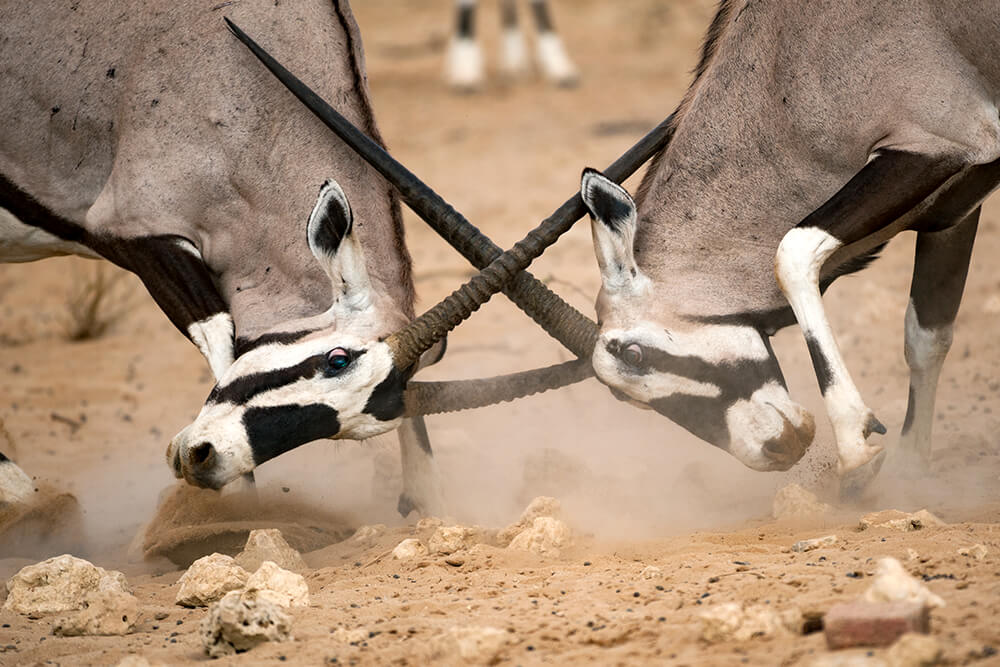
The oryx is a strong and beautiful animal that lives in dry and hot desert areas. It is known for its long, straight horns and its light-colored body. When you see an oryx, it looks calm and graceful, but it is also very tough. This animal can survive in places where many other animals cannot live. Because of this, the oryx is often called a true desert survivor.
There are different types of oryx, and they live in Africa and parts of the Middle East. They are part of the antelope family and are well built for life in extreme heat.
Where Oryx Live
Oryx mostly live in deserts, dry grasslands, and semi-desert areas. Some common places where they are found include Namibia, Botswana, South Africa, and parts of East Africa. The Arabian oryx lives in the Arabian Peninsula, including countries like Oman and Saudi Arabia.
These places are very hot during the day and can be cold at night. Water is often hard to find. Still, the oryx has special ways to survive in these tough conditions.
Types of Oryx
There are four main types of oryx:
-
Gemsbok (Southern Oryx) – Found in southern Africa. It has very long horns and bold black and white face markings.
-
East African Oryx (Beisa Oryx) – Found in East Africa. It looks similar to the gemsbok but has small differences in markings.
-
Arabian Oryx – Smaller in size and mostly white in color. It lives in the Middle East.
-
Scimitar-Horned Oryx – Known for its curved horns. It once lived in North Africa but became extinct in the wild for some time. Now there are efforts to bring it back.
Each type has its own small differences, but all oryx share similar features and habits.
Physical Appearance
The oryx has a strong body and long legs. Its coat is usually light brown, gray, or white. The light color helps reflect sunlight and keeps the animal cooler in the hot desert sun.
One of the most special features of the oryx is its horns. Both males and females have horns. These horns are long, straight, and sharp. They can grow up to 30 to 40 inches long, depending on the species.
The face of the oryx often has black and white markings. These markings make it easy to recognize. Its eyes are large and alert, always watching for danger.
How Oryx Survive in the Desert
Life in the desert is not easy. It is very hot during the day, and water is rare. But the oryx has special abilities that help it survive.
First, the oryx can live without drinking water for long periods. It gets most of the water it needs from the plants it eats. It eats roots, bulbs, grasses, and desert plants that contain moisture.
Second, the oryx can control its body temperature. Its body can become slightly warmer during the day, which reduces sweating and saves water. At night, when it is cooler, its body temperature goes back to normal.
Third, the oryx often rests during the hottest part of the day. It may stand in the shade or face the sun to reduce heat on its body. These smart habits help it survive extreme heat.
What Oryx Eat
Oryx are herbivores, which means they eat only plants. Their diet includes:
-
Grasses
-
Leaves
-
Roots
-
Wild fruits
-
Bulbs
-
Desert shrubs
In very dry times, they dig into the ground to find roots and tubers that contain water. Their strong hooves help them dig in sandy soil.
Because they can find food in dry land, they do not need to move as much as some other animals.
Social Life
Oryx usually live in small herds. A herd can have 10 to 40 animals, but sometimes it can be larger if food is available. Living in a group helps protect them from predators.
In many herds, there is one dominant male who leads and protects the group. There are also females and young calves. Sometimes young males leave the herd and live alone or form small male groups.
They communicate using body language. For example, they may lower their head or use their horns to show strength.
Defense and Predators
Even though the oryx looks peaceful, it can defend itself very well. Its long, sharp horns are strong weapons. If a predator like a lion, hyena, or wild dog attacks, the oryx can use its horns to protect itself.
Many predators prefer to attack young or weak animals because adult oryx can be dangerous. There are stories of oryx injuring lions with their sharp horns.
Their light color also helps them blend into sandy areas, making it harder for predators to spot them from far away.
Reproduction and Baby Oryx
Female oryx usually give birth to one calf at a time. The pregnancy lasts about eight to nine months. When the baby is born, the mother hides it in a safe place for the first few weeks. She visits it to feed it but keeps it hidden from predators.
After a few weeks, the calf joins the herd. Young oryx grow quickly and learn how to find food and stay safe.
An oryx can live around 15 to 20 years in the wild, and sometimes longer in protected areas or zoos.
The Arabian Oryx Story
The Arabian oryx has a very special story. In the past, it was hunted a lot for its meat and horns. Because of this, it became extinct in the wild in the 1970s.
Luckily, some Arabian oryx were kept in zoos and private reserves. Breeding programs helped increase their numbers. Later, they were released back into protected areas in the wild.
Today, the Arabian oryx is one of the few animals that were once extinct in the wild but successfully returned. This shows that conservation efforts can really work.
Oryx and Human Culture
In some cultures, the oryx is a symbol of beauty and strength. Some people believe that old stories about unicorns may have come from sightings of oryx seen from the side, where only one horn was visible.
The Arabian oryx is also a national symbol in some Middle Eastern countries. It represents survival, pride, and desert life.
Conservation and Protection
Some types of oryx are still at risk. Habitat loss, hunting, and climate change are major problems. As people build farms and cities, natural desert land becomes smaller.
Conservation groups are working hard to protect oryx. They create wildlife reserves, stop illegal hunting, and educate people about wildlife protection.
Breeding programs in zoos and wildlife parks have also helped increase their numbers. In some areas, oryx have been reintroduced into places where they once lived.
Interesting Facts About Oryx
-
Both male and female oryx have horns.
-
Their horns can be longer than 3 feet.
-
They can survive without drinking water for many days.
-
Their light body color helps reflect sunlight.
-
They can run fast to escape danger.
-
The Arabian oryx was once extinct in the wild but was brought back.
Why Oryx Are Important
Oryx play an important role in the desert ecosystem. By eating plants, they help control plant growth. They also spread seeds through their waste, helping new plants grow.
They are also part of the food chain. Predators depend on them for survival. If oryx disappear, it can affect the balance of nature.
The Beauty of the Oryx
The oryx is not just strong; it is also very beautiful. Its long straight horns, light-colored body, and bold face markings make it stand out in the desert.
When seen walking across the sand at sunset, the oryx looks peaceful and graceful. It moves slowly and carefully, always alert but calm.
It shows how animals can adapt and survive even in the hardest places on Earth.
Conclusion
The oryx is a powerful symbol of survival and strength. Living in hot deserts and dry lands, it has special abilities that help it live without much water. Its long horns protect it from danger, and its light body helps it stay cool.
There are different types of oryx found in Africa and the Middle East. Some have faced serious danger because of hunting and habitat loss. But thanks to conservation efforts, some species like the Arabian oryx have made a strong comeback.
The story of the oryx teaches us an important lesson. If humans care about wildlife and protect nature, we can help animals survive for future generations.
The oryx stands tall in the desert, strong and calm, showing the world that life can grow even in the toughest conditions.
Read Also: Keep your face towards the sunshine and shadows will fall behind you
Watch Also: https://www.youtube.com/@TravelsofTheWorld24





Leave a Reply