
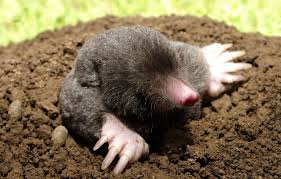
Moles are small, quiet animals that live mostly underground. They are famous for digging tunnels and making molehills in gardens and forests. Moles are rarely seen above ground because they spend almost all their life in the soil.
Even though they are tiny, moles are excellent diggers. Their bodies are perfectly shaped for moving through dirt, and they have strong claws to dig tunnels quickly. Moles play an important role in nature by helping the soil stay healthy.
Where Moles Live
Moles live in many parts of the world, including Europe, North America, and parts of Asia. They prefer soft soil where it is easy to dig tunnels.
Common places moles live include:
-
Grasslands and meadows
-
Forests
-
Gardens and farms
-
Parks
Moles build extensive tunnel systems underground. These tunnels provide shelter, protection from predators, and a place to find food.
Physical Appearance
Moles are small mammals, usually about 4 to 7 inches long. They have cylindrical bodies, short legs, and a tiny tail. Their fur is soft and velvety, usually gray or brown.
Moles have small eyes and ears, often hidden under their fur. Their eyesight is very poor, but they have an excellent sense of touch and smell. Their most important feature is their large, strong front claws. These claws are perfect for digging through soil and moving quickly underground.
Their nose is sensitive and helps them find food. Some moles have a pink, pointed nose that moves constantly to detect insects and worms.
What Moles Eat
Moles are insectivores, which means they mainly eat insects and worms. Their diet includes:
-
Earthworms
-
Insects and larvae
-
Grubs
-
Small invertebrates
Moles hunt underground using their sensitive nose to find prey. They can dig very quickly to reach worms and insects. Some moles also eat roots or small plants occasionally, but insects are their main food.
Moles eat almost all day because they have a very high metabolism. They need energy to dig and move through tunnels constantly.
Mole Behavior
Moles are mostly solitary animals. They live alone in their tunnel systems and defend their territory from other moles.
They are active all year round and do not hibernate. Moles are mostly active at night and during the early morning, although they can dig at any time.
Moles constantly dig tunnels to search for food and create living spaces. Their tunnels have two types:
-
Surface tunnels – Just below the soil, often visible as ridges or molehills.
-
Deep tunnels – Deeper underground, used for nesting and storing food.
Predators and Defense
Moles have few natural predators because they live underground. However, some animals do hunt them, such as:
-
Foxes
-
Weasels
-
Snakes
-
Birds of prey (when moles are near the surface)
Moles defend themselves by staying underground. Their tunnels are difficult for predators to reach, and they move quickly to escape.
Reproduction and Baby Moles
Moles usually breed once a year, in early spring. Females give birth to 2 to 5 babies after a gestation of about 4 weeks.
The babies are born blind and hairless. The mother takes care of them in a deep tunnel. After a few weeks, the young moles grow fur, open their eyes, and start digging small tunnels.
Young moles become independent in a few months and leave their mother’s tunnel to create their own territory.
Adaptations for Survival
Moles have many adaptations that make them perfect underground dwellers:
-
Strong front claws – For digging soil easily.
-
Cylindrical body – Helps them move through tunnels.
-
Poor eyesight but strong senses – Their sense of touch and smell is excellent.
-
Velvety fur – Can lie flat in any direction to move backward or forward in tunnels.
-
High metabolism – Gives them energy to dig constantly.
These adaptations allow moles to live underground and avoid many dangers.
Moles and Seasons
Moles are active throughout the year. In winter, they stay in deeper tunnels where the soil is warmer. In summer, they dig closer to the surface to find insects.
They constantly repair old tunnels and make new ones, so their underground network is always growing.
Importance in Nature
Moles are very important for soil and the environment. Their digging helps:
-
Aerate the soil, allowing air and water to reach roots
-
Mix nutrients in the soil for plants
-
Control insect populations, since they eat grubs and larvae
Even though molehills can damage lawns or gardens, moles benefit the ecosystem by keeping the soil healthy and fertile.
Interesting Facts About Moles
-
Moles can dig tunnels very fast, sometimes several feet per hour.
-
They have tiny eyes but an excellent sense of smell and touch.
-
Their fur can lie flat in any direction, allowing easy movement backward and forward.
-
Some moles can live alone in a network of over 200 feet of tunnels.
-
Moles eat up to their body weight in insects every day.
Types of Moles
There are many species of moles worldwide. Some well-known types include:
-
European mole – Found in Europe, common in gardens and fields.
-
Star-nosed mole – Found in North America, known for its star-shaped nose with 22 tentacles.
-
Eastern mole – Found in eastern North America, lives in forests and grasslands.
-
Hairy-tailed mole – Found in North America, smaller and lighter than the eastern mole.
Each type of mole has unique features, but all are excellent diggers and mostly live underground.
Moles and Humans
Moles are often seen as pests because they can damage gardens, lawns, and crops. However, they are mostly harmless and are important for soil health.
People sometimes try to keep moles away using traps or barriers, but conservationists suggest letting them live naturally because they help maintain a healthy ecosystem.
Moles are also fascinating for scientists studying animal behavior and adaptations for underground life.
Why Moles Are Special
Moles are special because they are perfectly adapted to life underground. Their digging skills, strong claws, sensitive noses, and energy make them unique small mammals.
They may be rarely seen, but their work underground is crucial for forests, gardens, and grasslands. Moles are nature’s little gardeners, keeping the soil rich and healthy.
Watching molehills and understanding how moles live teaches us about the hidden life beneath our feet and the importance of every creature in nature.
Conclusion
Moles are small, hardworking animals that live mostly underground. They dig tunnels, eat insects, and play a key role in keeping soil healthy. With their strong claws, sensitive noses, and velvety fur, they are perfectly designed for life below the surface.
Though rarely seen, moles are important for the environment. They aerate soil, control insects, and help plants grow. Their presence reminds us that even small creatures make a big difference in nature.
Moles may live in the shadows of the earth, but their work above and below ground supports the life of plants, insects, and other animals.
Read Also: Keep your face towards the sunshine and shadows will fall behind you
Watch Also: https://www.youtube.com/@TravelsofTheWorld24








Leave a Reply