
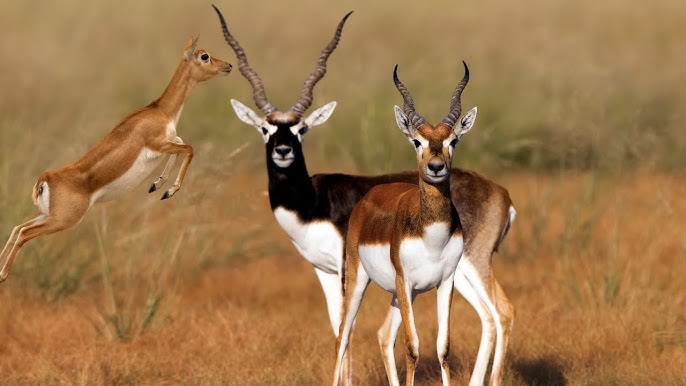
Antelopes are some of the most beautiful and graceful animals in the world. Known for their speed, agility, and elegant appearance, they live mostly in Africa, but some species can be found in parts of Asia. With over 90 different species, antelopes vary widely in size, shape, and behavior. From small duikers hiding in forests to massive elands roaming open plains, these animals are an important part of the ecosystems they inhabit.
Appearance and Physical Traits
Antelopes are known for their slender bodies, long legs, and striking horns. Their size ranges from just a few pounds for the tiny royal antelope to over 2,000 pounds for the giant eland. Their coats are usually brown, tan, or reddish, often with white markings on the face, belly, or legs. Some species have stripes or spots that help them blend into their surroundings.
Horns are one of the most recognizable features of antelopes. Both males and females may have them, depending on the species, and they come in various shapes—spiral, curved, straight, or twisted. Horns are used mainly for defense against predators and for fighting other antelopes during mating season. Antelopes have large, dark eyes and keen hearing, which help them detect danger quickly.
Their legs are long and powerful, built for running and jumping. Antelopes are among the fastest land animals in the world. Some species, like the pronghorn, can run up to 60 miles per hour, while others are excellent jumpers, able to leap over obstacles to escape predators.
Habitat and Distribution
Antelopes are found in a wide range of habitats. Most species live in Africa, from the grasslands and savannas of Kenya and Tanzania to the deserts of Namibia and the forests of Central Africa. In Asia, species like the blackbuck and the Tibetan antelope inhabit grasslands and high-altitude plains.
Their habitats vary depending on the species. Some antelopes prefer open plains and savannas, where they can see predators from a distance. Others live in forests, mountains, or deserts, relying on camouflage and agility to stay safe. Antelopes are highly adaptable, able to survive in regions with scarce water or limited vegetation.
Behavior and Social Structure
Antelopes are social animals and often live in groups called herds. Herd size can range from a few individuals to hundreds, depending on the species and environment. Living in herds provides protection from predators, as many eyes can spot danger.
Some species are territorial, with males defending their area and females living within it. Others have more fluid social structures, where groups form and break apart depending on food availability or migration patterns. Antelopes communicate with each other using sounds, body movements, and scent markings.
They are mostly active during the day, but some species are nocturnal, feeding at night to avoid predators. Antelopes have a variety of behaviors to protect themselves, including running in zig-zag patterns, leaping high into the air, or freezing to avoid detection.
Diet and Feeding
Antelopes are herbivores, which means they eat only plants. Their diet includes grasses, leaves, fruits, and shoots, depending on the species and habitat. Some antelopes, like gazelles, primarily graze on grass, while others, like elands, browse on shrubs and trees.
They are well adapted to survive in areas with scarce food. Many antelopes can go for long periods without water, getting moisture from the plants they eat. Their digestive systems are specialized to extract maximum nutrition from tough vegetation.
Migration is common among antelope species living in savannas and grasslands. For example, the wildebeest, closely related to some antelopes, undertakes long seasonal migrations to find fresh grazing areas. This movement also helps reduce overgrazing and maintain a balance in the ecosystem.
Predators and Survival Strategies
Antelopes face many predators in the wild. Lions, leopards, cheetahs, hyenas, wild dogs, and crocodiles are among the main threats. Young antelopes are especially vulnerable, and their survival depends on the protection of their mothers and the herd.
Antelopes have developed impressive survival strategies. Their speed, agility, and keen senses allow them to escape predators effectively. Some species rely on camouflage, blending into the grass or forest to avoid detection. Others use alert calls to warn the herd of approaching danger.
Some antelopes, like the Thomson’s gazelle, run in zig-zag patterns to confuse predators. Others, like impalas, perform high leaps called “stotting,” which displays their fitness and deters predators. These strategies have helped antelopes survive for millions of years despite constant threats.
Reproduction and Life Cycle
Antelopes usually breed once a year, although the timing can vary by species and environment. Males often compete for females during the mating season, using horns to fight rivals and display strength. After mating, females carry their young for several months, depending on the species.
At birth, antelope calves are often hidden in tall grass or dense vegetation to protect them from predators. They can stand and walk within hours, which is essential for survival. Mothers nurse and protect their young until they are strong enough to join the herd.
Antelopes can live from 10 to 20 years in the wild, depending on the species and environmental conditions. Survival depends on avoiding predators, finding enough food and water, and successfully reproducing.
Adaptability and Intelligence
Antelopes are highly adaptable animals. They can survive in extreme environments, from hot deserts to cold mountains. Their keen senses, speed, and social behavior make them effective at avoiding danger and finding food.
Some species have even adapted to human presence. In areas where their habitat overlaps with farms or settlements, antelopes may feed on crops or avoid human activity during the day. Their ability to adjust behavior based on circumstances has helped them thrive despite habitat changes and hunting pressure.
Importance in Ecosystems
Antelopes play a vital role in their ecosystems. As herbivores, they help control vegetation, which supports other species like insects, birds, and smaller mammals. Their grazing patterns can prevent overgrowth and promote new plant growth, maintaining a healthy balance in the environment.
Antelopes are also a key food source for predators. Without them, many carnivores would struggle to survive. This predator-prey relationship keeps ecosystems balanced and ensures that both herbivores and carnivores can coexist.
Threats and Conservation
Despite their adaptability, many antelope species face threats from humans. Habitat loss due to agriculture, urban development, and deforestation reduces the areas where antelopes can live. Hunting for meat, horns, and skins also poses a significant risk.
Some species are endangered, such as the saiga antelope in Central Asia, which has suffered dramatic population declines due to poaching and disease. Conservation efforts include protected reserves, anti-poaching measures, and programs to restore habitats.
Organizations worldwide are working to educate communities about the importance of antelopes and how to coexist with them. Ecotourism has also helped raise awareness and funding for conservation, showing that antelopes can be both protected and appreciated by humans.
Interesting Facts About Antelopes
-
Antelopes are some of the fastest land animals, with species like the pronghorn reaching speeds of up to 60 miles per hour.
-
Some antelopes, like impalas, can leap over 10 feet in a single bound to escape predators.
-
Antelopes have excellent eyesight and hearing, helping them detect danger from far away.
-
Their horns are made of keratin, the same material as human hair and nails.
-
Antelopes use a variety of communication methods, including scent marking, alarm calls, and body language.
-
Despite their delicate appearance, antelopes are strong and resilient, able to survive in harsh environments with limited food and water.
Antelopes in Culture and Media
Antelopes have appeared in many cultures as symbols of grace, speed, and beauty. In African folklore, they often represent agility and cleverness. Their elegance has inspired art, stories, and poetry for centuries.
In modern media, antelopes are featured in wildlife documentaries, movies, and educational programs, helping people understand the importance of preserving these animals and their habitats. Seeing antelopes in the wild is often a highlight for safaris and wildlife tours, showcasing their natural beauty and behavior.
Coexisting With Humans
Living alongside humans can be challenging for antelopes, but it is possible with careful management. Protecting natural habitats, creating wildlife corridors, and preventing hunting are key strategies. Farmers and communities can also use fencing, noise deterrents, and careful land use planning to reduce conflicts.
Observation and education play an important role. By learning about antelope behavior, people can appreciate their role in nature while minimizing risks to both humans and animals. Responsible tourism and wildlife photography also help promote conservation efforts.
Conclusion
Antelopes are some of the most remarkable creatures in the natural world. Their speed, grace, adaptability, and social behavior make them true survivors. From the savannas of Africa to the grasslands of Asia, antelopes play a crucial role in maintaining the balance of their ecosystems.
Despite threats from humans and predators, they continue to thrive, thanks to their intelligence and resilience. Protecting antelopes and their habitats ensures that these elegant animals remain part of our world for generations to come.
Watching antelopes in the wild is a reminder of nature’s beauty and the delicate balance that allows life to flourish. Their presence enriches the landscapes they inhabit and inspires humans to value and protect wildlife everywhere.
Antelopes are more than just animals—they are symbols of speed, grace, and the spirit of the wild. By learning about them, understanding their needs, and supporting conservation efforts, we can ensure that these magnificent creatures continue to roam freely across the earth.
Read Also: Keep your face towards the sunshine and shadows will fall behind you
Watch Also: https://www.youtube.com/@TravelsofTheWorld24






Leave a Reply