
Indian fashion weeks have followed the same pattern. Designers create beautiful collections, show them on the runway, and then move on to the next season. These clothes look stunning under bright lights, styled perfectly on models, photographed for magazines and social media. But one big question always remains: do these clothes ever reach real people on real streets?
In most cases, the answer is no.
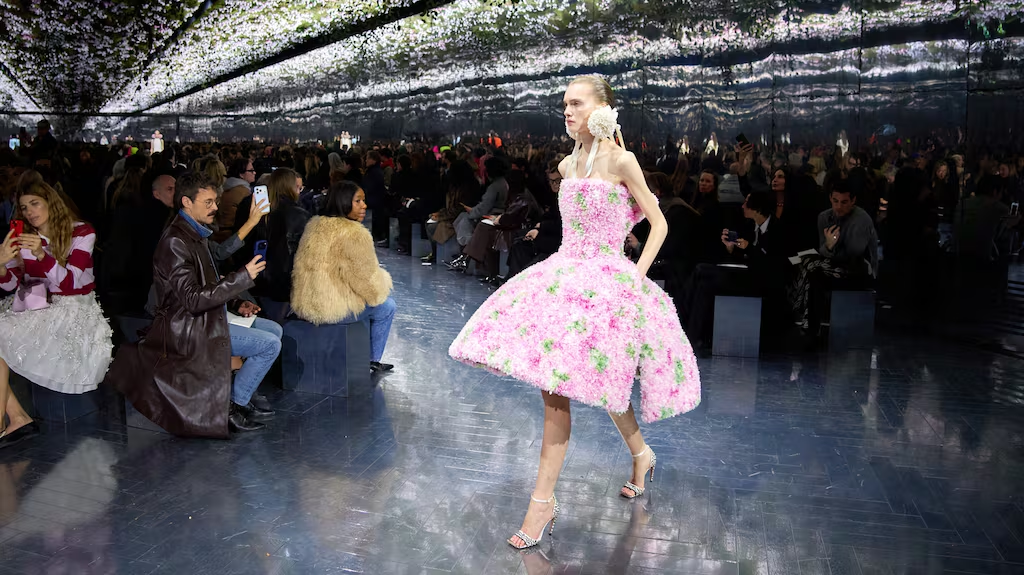
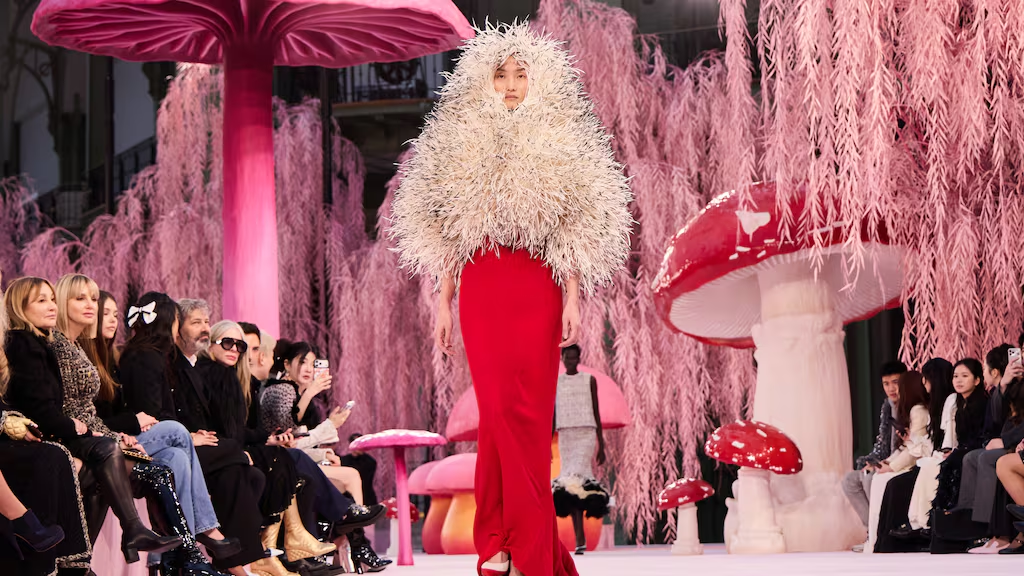
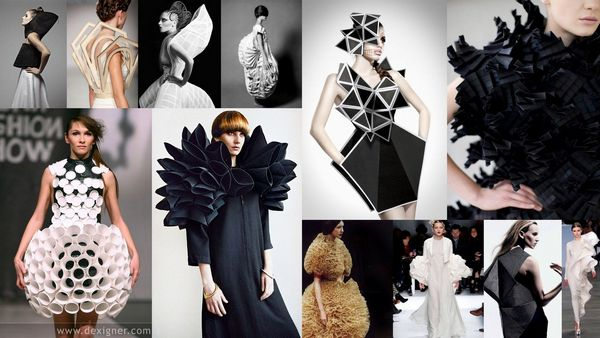
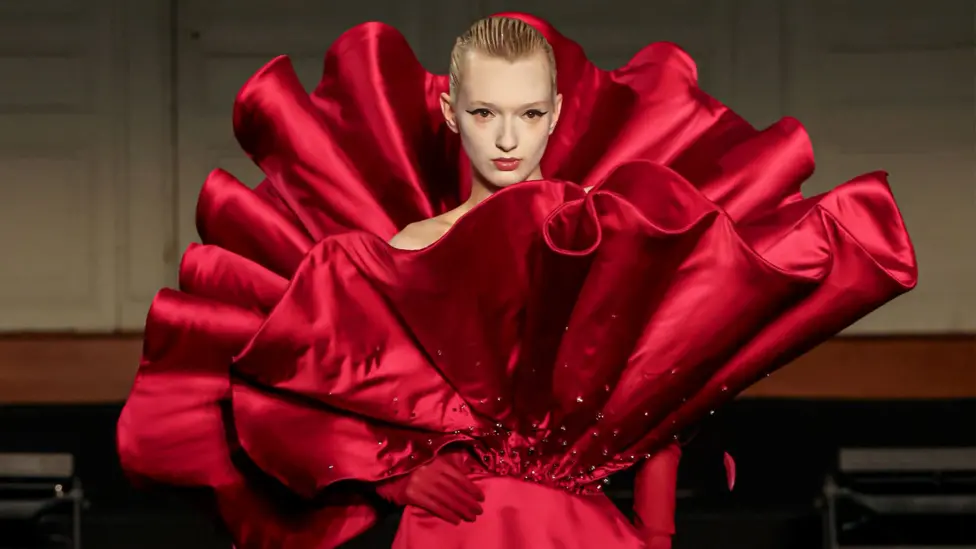
Many runway collections in India stay exactly where they start—on the runway. They are admired, talked about, and then quietly archived. You rarely see those designs worn by people going to work, attending college, shopping at markets, or just living everyday life. At least, that’s how it looks from most documentation and street observation so far.
That’s why Paromita’s show felt different. Refreshing. Honest. It didn’t start with fantasy. It started with reality.
Instead of asking, “What will look dramatic on the runway?” the show seemed to ask, “What are people already wearing, and why does it matter?”
And for once, the street walked onto the runway first.
The Usual Gap Between Runway and Reality
Indian fashion weeks are full of talent. There is no doubt about that. The craftsmanship, fabrics, and concepts are often world-class. But there is a visible gap between fashion as performance and fashion as daily life.
Most runway clothes are:
-
Too expensive for everyday buyers
-
Too heavy or impractical to wear daily
-
Designed mainly for photos, not movement
-
Focused on trends rather than habits
As a result, these collections rarely become part of street fashion. They remain ideas, not clothes people live in.
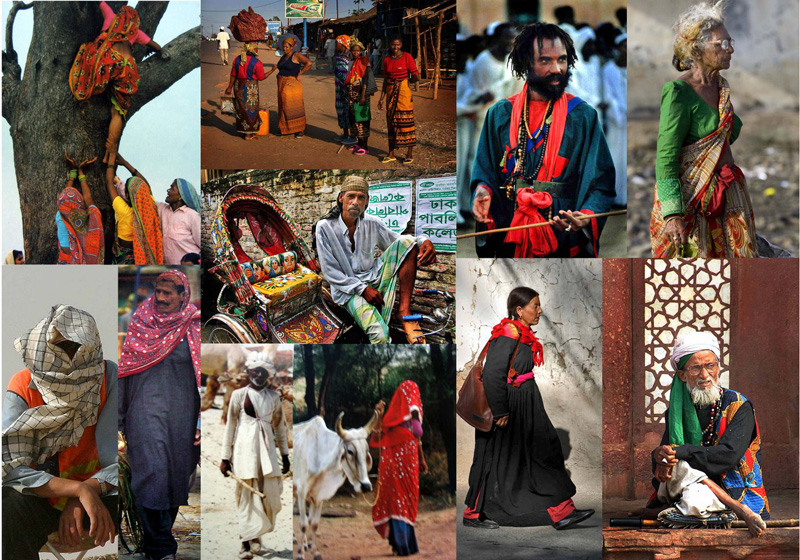
Street style, on the other hand, grows naturally. It doesn’t wait for approval. It comes from weather, work, comfort, culture, money, and personal taste. Streets are where fashion actually survives.
Streets as the Real Fashion Archive
If you want to understand Indian fashion today, the streets tell you more than the runway ever will.
Look around:
-
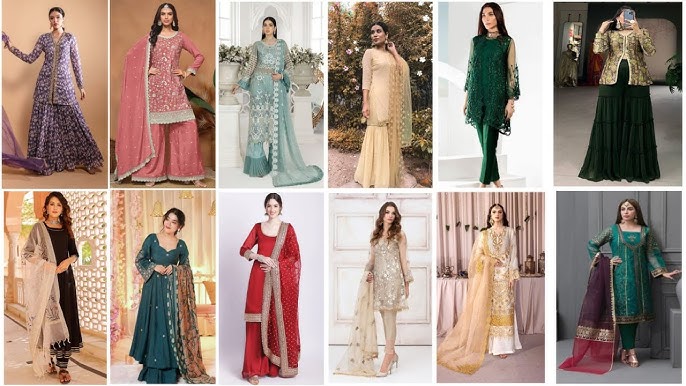
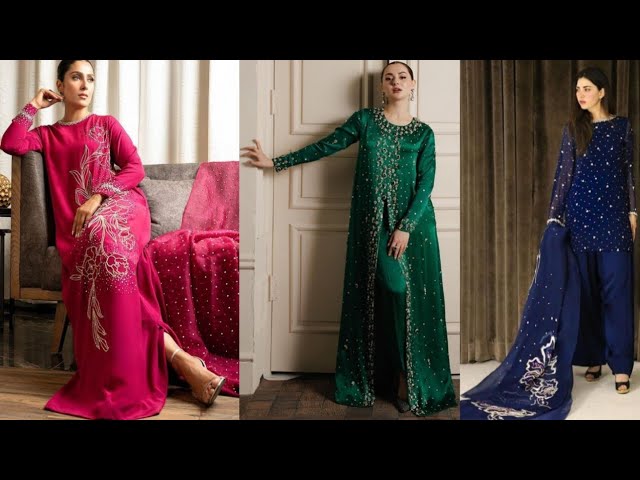
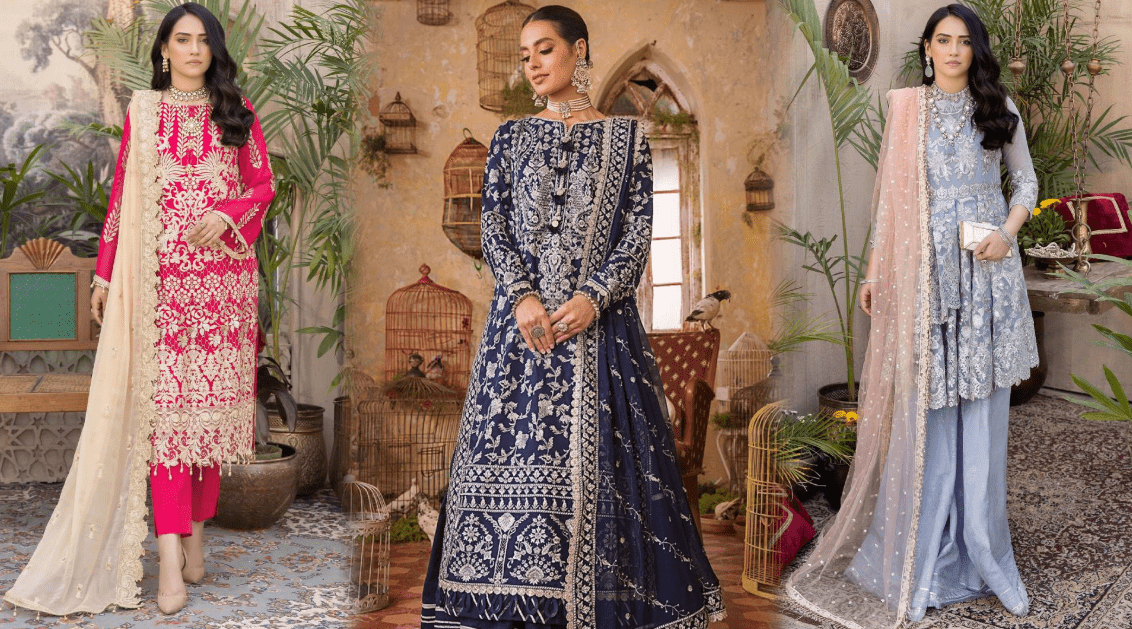
Dupattas worn as scarves, shawls, or belts
-
Old saris styled with shirts or jackets
-
Kurta-pants mixed with sneakers
-
Layering that changes with heat, dust, and movement
-
Clothes repaired, reused, adjusted, and restyled
This is real design in action.
People don’t dress to impress a camera. They dress to move, to work, to survive, and still feel like themselves. Over time, these choices become a living fashion language.
Yet, this language is often ignored by fashion weeks.
What Made Paromita’s Show Different
Paromita’s show did something rare—it listened first.
Instead of inventing a world and asking people to step into it, the show reflected a world that already exists. The clothes felt familiar, not distant. They looked like they had already lived a life before reaching the runway.
The inspiration clearly came from:
-
Everyday Indian streets
-
Ordinary people, not ideal bodies
-
Real movement, not stiff posing
-
Clothing that already has meaning
It felt like the designer observed how people actually dress and said, “This matters.”
That shift alone changes everything.
When Fashion Starts With Observation
Good fashion doesn’t always start with sketchbooks. Sometimes, it starts with watching.
Watching how people roll up sleeves.
Watching how they tie scarves differently.
Watching how they mix old and new clothes.
Paromita’s work felt like the result of deep observation rather than loud imagination.
This approach respects the wearer. It says the wearer already knows something valuable. The designer is not teaching style but learning from it.
That’s a powerful reversal.
Streets First, Runway Second
Usually, the fashion world hopes the street will follow the runway someday. But that rarely happens in India. The distance is too big.
Paromita’s show flipped that order:
-
Streets exist first
-
Style grows naturally
-
The runway documents it
-
Fashion becomes honest
This doesn’t make the runway less important. It makes it more meaningful.
Instead of fantasy, it becomes a mirror.
Why This Matters for Indian Fashion
India doesn’t need to copy Western runway systems. Our fashion culture is already rich, layered, and alive.
When designers focus only on runway drama, they miss:
-
How people actually use clothes
-
How culture shapes daily style
-
How affordability affects design
-
How comfort is part of beauty
Street-led fashion connects design back to society.
It also makes fashion more inclusive. When people see clothes that resemble their own lives, they feel seen, not excluded.
Will the Runway Follow the Streets Now?
That’s the big question.
Paromita’s show proves it’s possible. But one show doesn’t change an entire system overnight.
For this shift to last:
-
More designers need to observe real life
-
Fashion weeks need to value wearability
-
Media needs to highlight street-based ideas
-
Buyers need to support practical design
If that happens, the runway might finally stop being a closed world and start becoming a conversation.
Fashion as Documentation, Not Decoration
One of the strongest things about street-inspired fashion is that it documents a moment in time.
Years later, these clothes will say:
-
This is how people moved
-
This is how they worked
-
This is how they mixed tradition and change
-
This is how they lived
Runway fantasy ages quickly. Real life lasts longer.
Paromita’s approach feels like a record, not just a collection.
Comfort Is Not the Enemy of Style
For years, comfort has been treated like a compromise. As if stylish clothes must be uncomfortable.
Street fashion proves the opposite.
People make comfort stylish because they have no choice. And in doing so, they create new silhouettes, layers, and forms.
Designers who understand this don’t fight comfort—they design with it.
That’s where relevance lives.
A Quiet but Strong Statement
Paromita’s show didn’t shout. It didn’t shock. It didn’t chase trends.
And that’s exactly why it stood out.
In a space full of spectacle, choosing reality is a bold move.
It says:
-
Fashion doesn’t have to be loud to be important
-
Everyday style deserves respect
-
Streets are not behind the runway—they are ahead
Final Thoughts
Most collections shown during Indian fashion weeks never reach the streets. They remain ideas, images, and memories.
Paromita reversed that journey.
She brought the streets to the runway first.
Maybe someday, the runway will follow the streets fully. Maybe designers will stop asking people to change for fashion and start letting fashion change with people.
If that happens, Indian fashion won’t just look good—it will finally feel real.
And honestly, that’s the kind of fashion worth documenting.
Read Also: Keep your face towards the sunshine and shadows will fall behind you
Watch Also: https://www.youtube.com/@TravelsofTheWorld24





Leave a Reply