
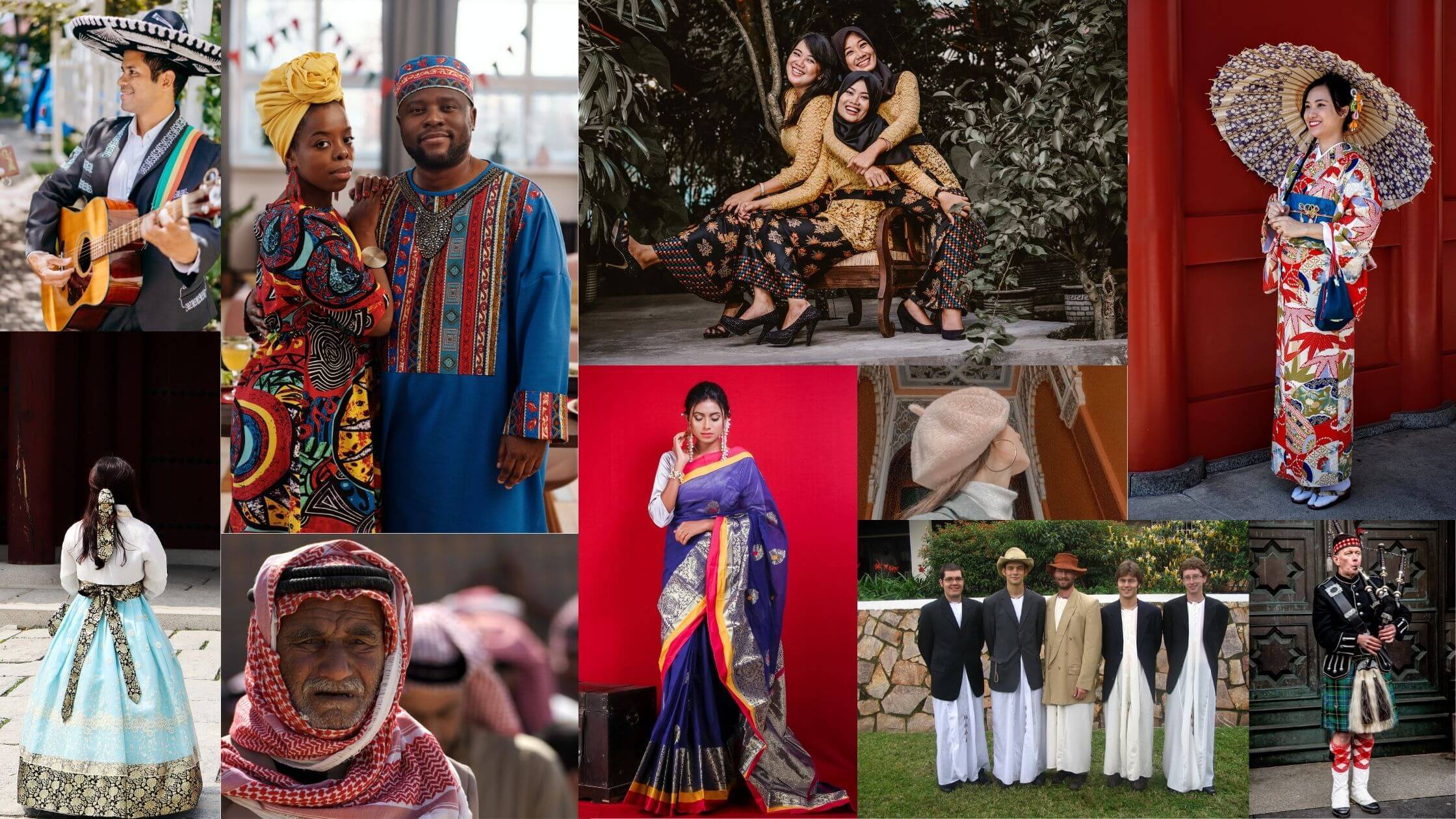
Clothing is more than just fabric—it’s a reflection of culture, history, and identity. Traditional clothing, in particular, tells stories about communities, values, and customs that have been passed down for generations. Around the world, every region has garments that are unique, meaningful, and often symbolic.
From the flowing kimonos of Japan to the vibrant saris of India, from the elaborate beadwork of Africa to the intricate embroidery of Eastern Europe, traditional clothing is a window into the soul of a culture. In this virtual tour, we’ll explore some of the most iconic traditional outfits from different parts of the world, their history, and the symbolism they carry.
Asia: Grace, Elegance, and Symbolism
Japan: Kimono
The kimono is one of the most recognized symbols of Japanese culture.
-
History: The kimono has been worn for centuries, evolving from everyday wear to ceremonial attire.
-
Design and symbolism: Colors, patterns, and motifs often signify seasons, occasions, and social status. For example, cranes symbolize longevity, and cherry blossoms represent beauty and the fleeting nature of life.
-
Accessories: Obi belts, hairpins, and sandals complete the outfit, each adding to its cultural meaning.
Kimonos are worn during weddings, festivals, and special ceremonies, preserving a deep connection to Japanese heritage.
China: Hanfu and Qipao
Chinese traditional clothing has a rich and layered history.
-
Hanfu: Characterized by flowing robes and wide sleeves, Hanfu dates back thousands of years and reflects rank and social status.
-
Qipao/Cheongsam: A more modern, fitted dress that combines traditional elegance with contemporary style.
-
Symbolism: Colors like red signify luck, dragons symbolize power, and phoenixes represent prosperity.
These garments are not just clothing—they are expressions of cultural pride and identity.
India: Sari and Sherwani
India’s traditional fashion is known for its vibrant colors, detailed fabrics, and symbolic meaning.
-
Sari: A long piece of fabric draped elegantly around the body. Red saris are common at weddings, symbolizing prosperity and fertility.
-
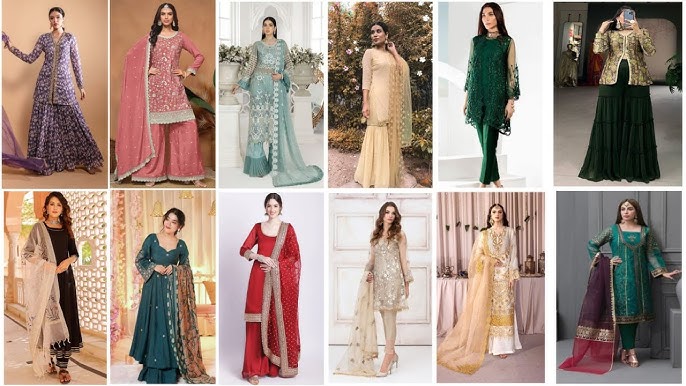
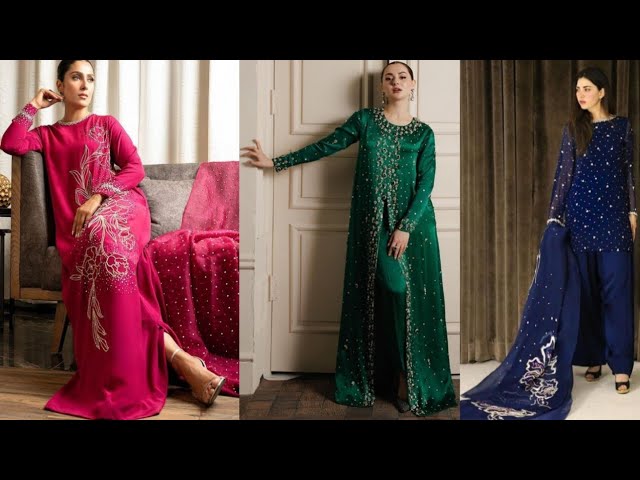
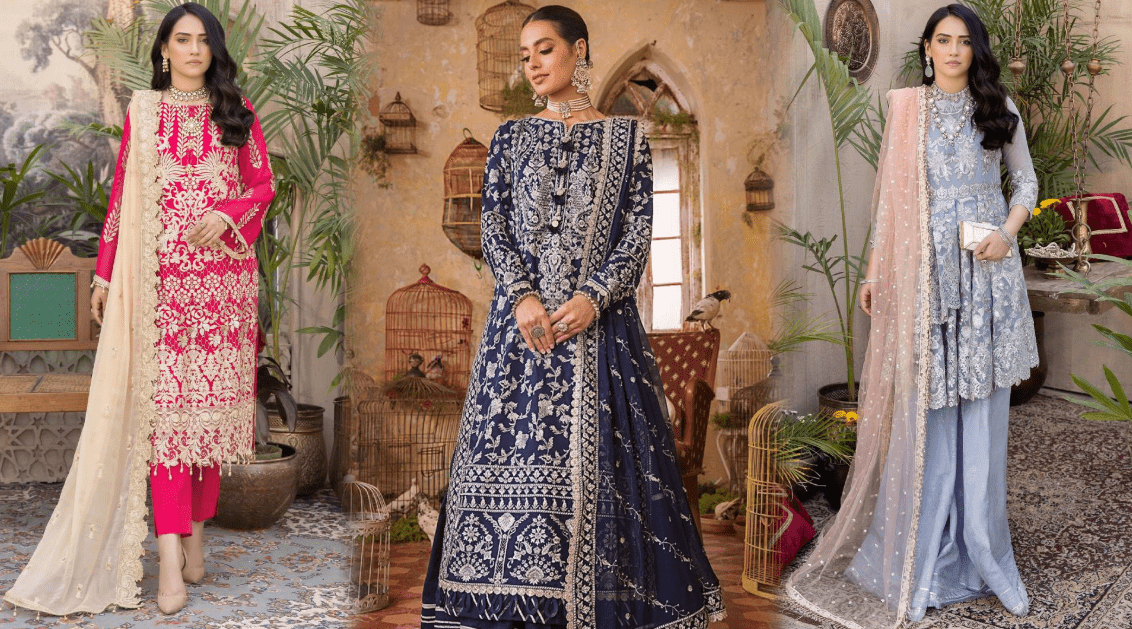
Lehenga and Salwar Kameez: These outfits also feature elaborate embroidery and regional patterns.
-
Men’s attire: Sherwanis and kurta-pajamas indicate status and occasion, often paired with traditional accessories.
Indian traditional clothing reflects celebration, spirituality, and local culture.
Africa: Colors, Patterns, and Tradition
African traditional clothing is diverse, symbolic, and vibrant, representing tribes, regions, and life events.
West Africa: Kente and Ankara
-
Kente cloth: From Ghana, Kente is handwoven in geometric patterns, with each color holding meaning—gold for wealth, blue for peace, green for growth.
-
Ankara fabrics: Bold, patterned fabrics used across West Africa, expressing personality, culture, and creativity.
Southern Africa: Beadwork
-
Beadwork: Worn by tribes in South Africa and Zimbabwe, bead patterns communicate marital status, social rank, and identity.
-
Ceremonial garments: Worn during weddings, initiation rites, or rituals, these garments often have deep spiritual significance.
African clothing combines artistry, symbolism, and cultural heritage, making every piece meaningful.
Middle East: Modesty and Elegance
Traditional fashion in the Middle East often emphasizes modesty, status, and elegance.
Abaya, Kaftan, and Dishdasha
-
Abaya: A flowing robe worn by women in countries like Saudi Arabia, symbolizing modesty and respect. Embroidery adds elegance.
-
Kaftan: Decorative robes worn by men and women, often with intricate patterns or gold thread.
-
Dishdasha/Thobe: Men’s robes, usually simple, symbolize purity and tradition.
These garments reflect faith, identity, and cultural pride.
Europe: Tradition and Heritage
European traditional clothing often reflects social class, region, and historical influence.
Scotland: Kilts and Tartans
-
Kilts: Worn by men, often in tartan patterns that signify clan and family heritage.
-
Ceremonial use: Kilts appear in weddings, festivals, and parades, representing pride in ancestry.
Eastern Europe: Embroidered Folk Costumes
-
Countries like Poland, Ukraine, and Hungary have traditional outfits with elaborate embroidery, lace, and floral motifs.
-
Symbolism: Colors and designs reflect regional identity, fertility, and prosperity.
European clothing preserves history, craftsmanship, and local culture.
The Americas: Indigenous Roots and Colonial Influences
Native American Regalia
-
Materials: Beadwork, feathers, and leather are used to create ceremonial garments.
-
Symbolism: Colors, patterns, and decorations convey tribal affiliation, achievements, and spiritual beliefs.
Latin America: Huipils, Ponchos, and Festival Wear
-
Huipils: Worn in Mexico, Guatemala, and Peru, with intricate woven patterns representing community and heritage.
-
Festival attire: Clothing worn during Carnival or Day of the Dead celebrations highlights culture, joy, and tradition.
Traditional clothing in the Americas reflects history, spirituality, and community.
Oceania: Connection to Nature
In Oceania, clothing emphasizes nature, ancestry, and spirituality.
-
Hawaiian aloha shirts and muumuus: Floral patterns and vibrant colors symbolize joy, community, and island culture.
-
Ceremonial attire: Uses natural materials like tapa cloth, feathers, and shells, showing respect for the land and ancestors.
Oceania’s traditional clothing demonstrates a deep connection to environment and cultural identity.
Common Themes in Traditional Clothing
Despite global diversity, traditional clothing often shares similar themes:
-
Identity and status: Clothing communicates rank, family, or tribal affiliation.
-
Ceremonial significance: Worn for weddings, religious events, and festivals.
-
Colors and patterns: Each color or motif has symbolic meaning.
-
Craftsmanship: Techniques like weaving, embroidery, and beadwork are passed down generations.
-
Nature and spirituality: Designs often reflect environment, beliefs, and stories.
These elements show that traditional clothing is more than practical—it’s cultural storytelling.
Preserving Traditional Fashion
Modern challenges like fast fashion and globalization threaten traditional clothing. However, efforts are being made to preserve and celebrate it:
-
Cultural festivals: Japan’s Matsuri, India’s Diwali, and African heritage celebrations showcase traditional attire.
-
Fashion designers: Many modern designers integrate traditional patterns, fabrics, and techniques into contemporary collections.
-
Education and workshops: Teaching traditional craftsmanship ensures skills and cultural knowledge continue.
Preservation helps keep heritage, identity, and artistry alive.
Modern Influence
Traditional clothing continues to inspire contemporary fashion:
-
Patterns and prints: Tribal and ethnic designs appear in modern fabrics and streetwear.
-
Silhouettes: Classic draping techniques inform modern gowns, jackets, and dresses.
-
Accessories: Traditional jewelry and headpieces influence contemporary styles.
By blending tradition with modernity, fashion respects heritage while embracing creativity.
Why Traditional Clothing Matters
Traditional clothing is a cultural archive, a storytelling medium, and a form of identity. Wearing or learning about these garments connects people to history, community, and artistry.
In a globalized world, traditional clothing reminds us of diversity, shared humanity, and cultural pride. Each outfit tells a story, making clothing meaningful, symbolic, and beautiful.
Final Thoughts
From Asia to Africa, Europe to the Americas, and Oceania, traditional clothing offers a rich tapestry of stories, colors, and meaning. Every pattern, color, and accessory reflects identity, history, and artistry.
By exploring traditional attire, we gain a deeper appreciation for culture and heritage, while finding inspiration for modern fashion. Clothing is more than what we wear—it’s who we are and where we come from.
Traditional clothing is a celebration of creativity, symbolism, and the enduring human spirit, and it continues to inspire generations around the world.
Read Also: Keep your face towards the sunshine and shadows will fall behind you
Watch Also: https://www.youtube.com/@TravelsofTheWorld24









Leave a Reply