
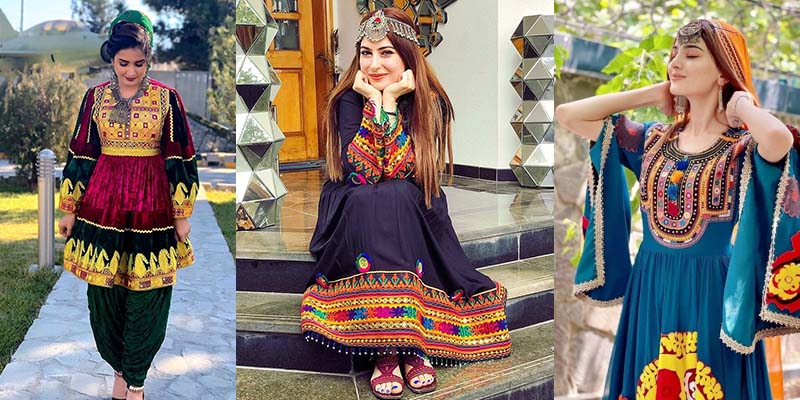
Pakistan is a land of vibrant colors, rich history, and diverse traditions. Its culture is a beautiful mix of ancient civilizations, tribal customs, and regional styles that have evolved over centuries. One of the most visible and cherished parts of this heritage is the traditional clothing, which reflects the country’s identity, artistry, and social history. From the bustling streets of Karachi to the serene valleys of Swat, traditional Pakistani dresses are more than just clothing—they are a statement of pride, culture, and artistry.
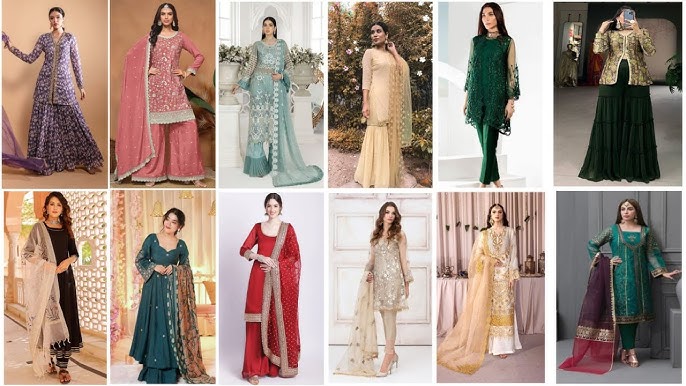
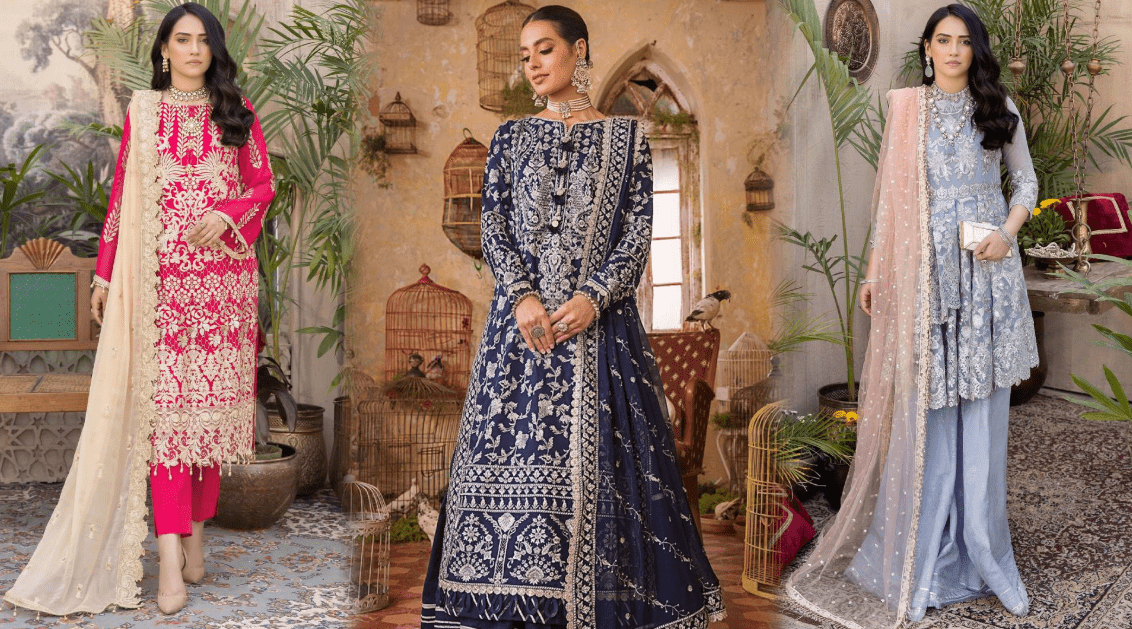
The traditional dress of Pakistan varies widely across its provinces and regions. In Punjab, women often wear shalwar kameez, a long tunic paired with loose trousers, accompanied by a colorful dupatta draped over the shoulders. These outfits are often embroidered with intricate patterns that represent local craftsmanship, from floral motifs to geometric designs. Men in Punjab might wear kurta pajamas, which are simple yet elegant, and often paired with a waistcoat for special occasions. The vibrant colors and detailed embroidery of Punjabi attire make it one of the most recognized traditional styles of Pakistan.
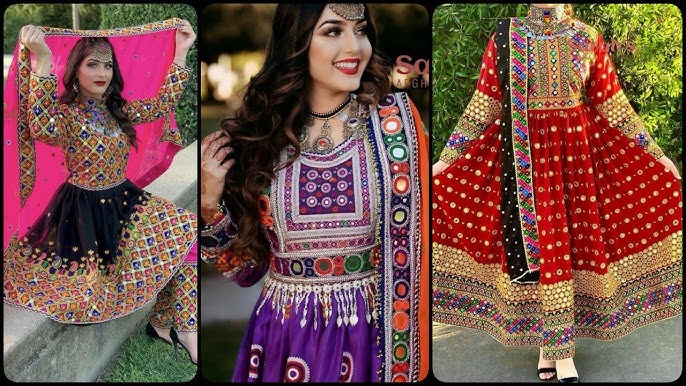
Moving west to Sindh, the clothing takes on a different flavor. Sindhi dresses are known for their mirror work, vibrant colors, and unique patterns. Women wear long frocks with elaborate embroidery and mirrors sewn into the fabric, creating dazzling reflections as they move. Men may wear ajrak, a traditional block-printed shawl, over their shalwar kameez, symbolizing both culture and identity. Sindhi attire is bold, lively, and full of life, capturing the spirit of the region’s people.
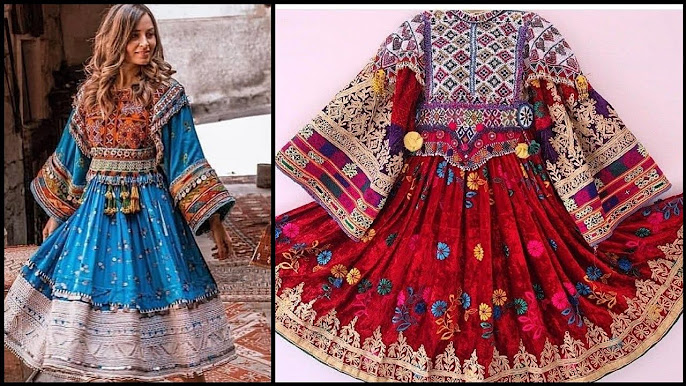
In Balochistan, the traditional dresses are practical yet beautiful. Balochi dresses are often long, loose, and comfortable, designed for the region’s climate. Women’s dresses are heavily embroidered, usually with bright threads forming intricate patterns that cover the front, sleeves, and hem. Men wear simple shalwar kameez, often paired with a turban, reflecting tribal traditions. The Balochi dress tells stories of resilience, artistry, and a deep connection to the land.
In the northern areas, such as Gilgit-Baltistan and Chitral, traditional clothing adapts to the cold climate. Thick woolen coats, known as chogas, are worn to protect against harsh winters. Women wear long dresses with embroidered waistcoats, often in rich, deep colors that reflect the natural beauty of the mountains. Men wear woolen caps, called pakols, and sturdy boots, completing a look that is both practical and culturally significant. The embroidery in these regions often incorporates symbols of nature, animals, and local myths, keeping ancient stories alive through clothing.
Pakistani traditional dresses are not just about style—they are a form of storytelling. Each stitch, pattern, and color carries meaning, reflecting the history, beliefs, and social status of the wearer. For centuries, these garments were made by hand, passed down through generations, and worn during festivals, weddings, and religious ceremonies. They serve as a living record of Pakistan’s diverse communities and their way of life.
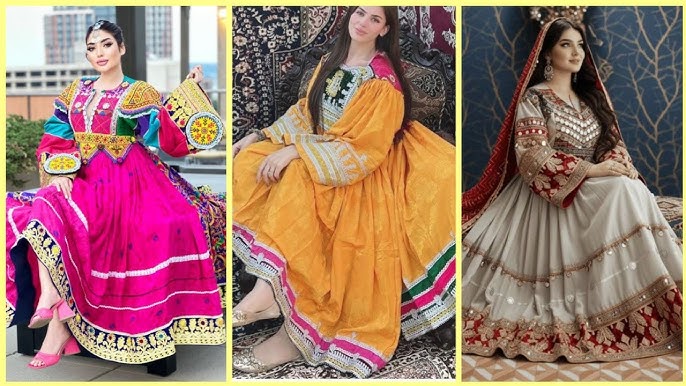
In recent years, there has been a revival of interest in traditional Pakistani dresses. Designers and fashion enthusiasts are increasingly looking to heritage for inspiration, blending old styles with modern trends. This revival is not limited to fashion shows or luxury boutiques; it is visible on the streets, in markets, and during cultural festivals. Women proudly wear hand-embroidered shalwar kameez, while men choose kurta pajamas with subtle traditional motifs. The younger generation is embracing their roots, mixing heritage pieces with contemporary clothing, showing that culture can evolve without losing its identity.
The revival also extends to weddings and formal events. Pakistani weddings are known for their grandeur, and traditional attire plays a central role in these celebrations. Brides often wear heavily embroidered lehengas or shararas in bright reds, greens, and golds, adorned with beads, sequins, and pearls. The groom may wear a sherwani, a long coat-like garment, often embroidered with gold thread and paired with a turban or cap. Wearing traditional outfits during weddings is more than fashion; it is a way to honor family, ancestry, and cultural heritage.
Festivals and national events also provide opportunities for people to showcase traditional attire. Independence Day, Basant, and regional cultural fairs see men and women wearing outfits that reflect their heritage. Colors, patterns, and embroidery become expressions of identity and pride, reminding everyone of Pakistan’s rich cultural tapestry. These occasions are a visual celebration of the past and a bridge connecting it to the present.
Craftsmanship plays a key role in preserving traditional Pakistani dresses. Many rural communities specialize in hand embroidery, block printing, and weaving, keeping centuries-old techniques alive. Artisans spend months perfecting a single dress, creating pieces that are both wearable art and cultural treasures. Unfortunately, modernization and mass production have threatened some of these crafts, making it even more important to support local artisans. By choosing hand-made traditional dresses, people not only celebrate culture but also sustain livelihoods and preserve skills that might otherwise be lost.
Another fascinating aspect of Pakistani traditional dresses is the regional identity they carry. Each province, city, and even village has its signature styles, patterns, and fabrics. A Sindhi ajrak or a Punjabi phulkari is instantly recognizable, telling the observer where it comes from and often, what stories it holds. Wearing these outfits is a way of expressing belonging, pride, and respect for the region’s history. In a country as diverse as Pakistan, clothing becomes a unifying factor, connecting people to their roots while celebrating regional uniqueness.
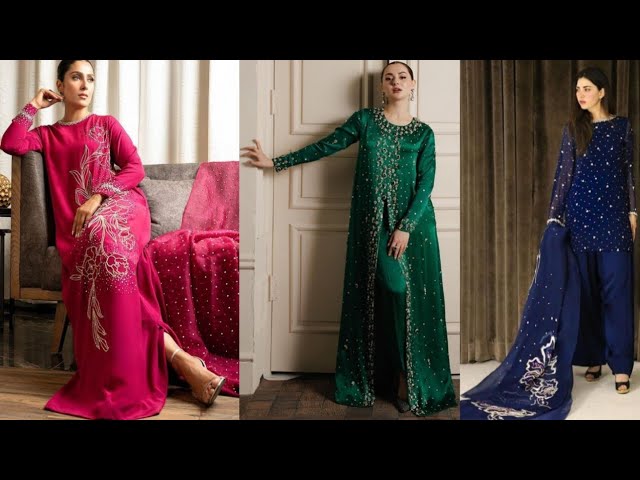
Modern fashion designers are taking inspiration from this diversity, creating collections that highlight traditional embroidery, patterns, and fabrics. They incorporate these elements into contemporary silhouettes, making traditional dresses more accessible for everyday wear. For example, a shalwar kameez may be paired with a modern jacket, or a Balochi embroidered shirt may be styled with jeans. This fusion allows culture to live on in daily life, rather than being confined to festivals or special occasions.
Media and social platforms have also helped popularize traditional dresses. Fashion bloggers, influencers, and celebrities often showcase heritage outfits, bringing attention to their beauty and significance. Young people, both in Pakistan and abroad, are rediscovering their roots through clothing, and traditional dresses are becoming a source of pride rather than old-fashioned attire. Cultural awareness grows when traditional fashion is celebrated in public spaces, magazines, and online communities, connecting generations in a meaningful way.
Educational initiatives are another way to revive traditional Pakistani clothing. Schools, universities, and cultural organizations often host events showcasing traditional outfits, workshops on embroidery, and exhibitions of historical garments. These activities teach the younger generation about their heritage, encouraging them to appreciate and continue these practices. By making culture tangible and interactive, traditional dresses become more than clothing—they become lessons in history, art, and identity.
The revival of traditional dresses also strengthens cultural tourism. Visitors to Pakistan are often fascinated by the variety and richness of the outfits. Markets and bazaars offer a colorful experience, where tourists can see, touch, and buy hand-embroidered pieces. Wearing traditional clothing while exploring the country allows visitors to connect more deeply with the culture, making their travel experience more authentic and memorable.
Sustainability is another reason traditional dresses are gaining attention. Hand-made garments often use natural fabrics, dyes, and time-honored techniques, making them environmentally friendly compared to mass-produced clothing. Choosing heritage fashion helps reduce waste, supports ethical labor, and maintains a connection to the environment—a value deeply embedded in many traditional practices.
In cities like Lahore, Karachi, and Islamabad, traditional dresses are increasingly seen in everyday life. Women may wear simple embroidered kurtas to work, while men choose kurta pajamas for casual outings. Markets are filled with fabrics that carry centuries of art and design, allowing people to create outfits that suit modern tastes while respecting traditional roots. The combination of comfort, style, and heritage makes these dresses appealing to people of all ages.
Beyond clothing, accessories like jewelry, scarves, and footwear also play a role in preserving Pakistan’s cultural legacy. Handcrafted bangles, embroidered shoes, and traditional headscarves complete the outfit, adding layers of meaning and beauty. Each piece tells a story, whether it is the skill of the artisan or the symbolism of the patterns. Wearing these accessories alongside traditional dresses creates a full cultural experience, honoring the past while embracing the present.
Reviving Pakistani traditional dresses is not just about fashion—it is about identity, pride, and continuity. It is a celebration of history, regional diversity, and the artistry of countless hands that have kept these traditions alive. When people choose to wear traditional clothing, they participate in a larger cultural story, connecting themselves to generations before and after them. It is a way of saying that heritage matters, that beauty is timeless, and that culture can evolve while remaining true to its roots.
The journey of revival is ongoing, fueled by designers, artisans, educators, and everyday people who recognize the importance of tradition. With each stitch, each outfit, and each festival celebration, Pakistan’s cultural legacy is kept alive. Traditional dresses are no longer confined to memories or photographs—they are part of daily life, celebrated openly and proudly.
In conclusion, Pakistani traditional dresses are more than garments; they are a reflection of history, identity, and artistry. They tell stories of regions, tribes, and families, carrying centuries of culture in their threads. The revival of these dresses is a celebration of Pakistan itself—a recognition that heritage is valuable, beautiful, and worth preserving. From the embroidery of Punjab to the mirrors of Sindh, the flowing dresses of Balochistan to the woolens of the north, each outfit is a testament to the country’s rich and diverse legacy. By embracing traditional clothing, Pakistanis honor their past, celebrate their present, and inspire future generations to carry the beauty of culture forward.
Read Also: Keep your face towards the sunshine and shadows will fall behind you
Watch Also: https://www.youtube.com/@TravelsofTheWorld24


Leave a Reply