
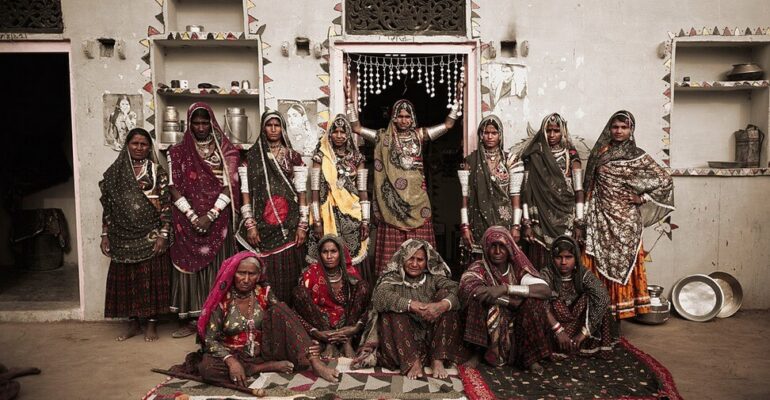
Indian culture is known for its rich traditions, vibrant colors, and intricate artistry. Across centuries, India has developed a unique style that blends heritage, spirituality, and creativity. From traditional textiles to elaborate embroidery, Indian fashion has not only shaped domestic styles but also influenced designers and trends worldwide.
This influence can be seen on global runways, red carpets, and street fashion. Designers often draw inspiration from Indian fabrics, silhouettes, and embellishments, showing how deeply Indian culture has permeated international fashion.
The Roots of Indian Fashion
Indian fashion is deeply intertwined with history, geography, and regional culture. Each state and community has its own style, fabrics, and techniques.
Traditional Garments
-
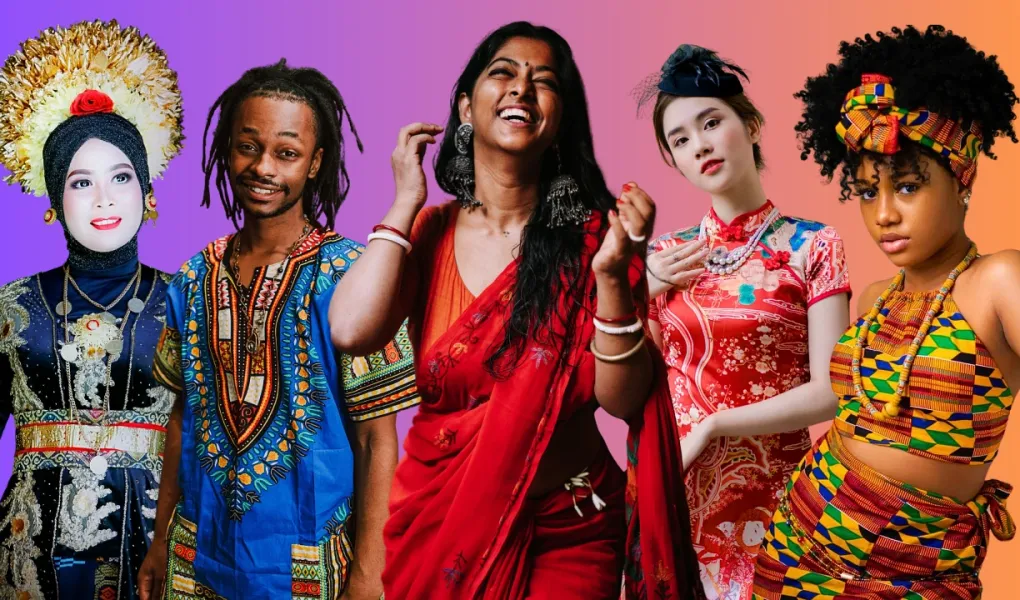
Sari: A long, draped fabric worn by women, often adorned with embroidery, prints, or gold thread. The sari varies by region, draping style, and material.
-
Lehenga: A long skirt paired with a blouse and scarf, often worn at weddings or festivals.
-
Salwar Kameez: A tunic and trouser combination, popular for both everyday wear and ceremonial occasions.
-
Men’s attire: Sherwanis, kurta-pajamas, and dhotis reflect tradition and status.
Fabrics and Textiles
India is home to some of the world’s most famous textiles:
-
Silk: Especially from regions like Varanasi (Banarasi silk) and Mysore, known for luxurious texture and intricate patterns.
-
Cotton: Lightweight and breathable, with regional varieties like Khadi and Ikat.
-
Handloom fabrics: Each region has its own handwoven styles, like Pochampally or Kanchipuram silk.
These fabrics reflect regional identity, craftsmanship, and centuries-old traditions.
Colors and Symbolism
Color plays a central role in Indian fashion. It is not only aesthetic but also symbolic.
-
Red: Fertility, prosperity, and celebration; often worn at weddings.
-
Yellow: Happiness, peace, and sanctity; common during religious ceremonies.
-
Green: Growth, nature, and harmony; often seen in festive attire.
-
Blue: Calm, stability, and devotion.
Patterns, embroidery, and embellishments further carry cultural and spiritual meanings, making Indian clothing rich in symbolism.
Embroidery and Ornamentation
Indian fashion is renowned for its detailed embroidery and ornamentation:
-
Zari: Gold and silver thread work, often used in saris and lehengas.
-
Mirror work (Shisha): Small mirrors sewn into fabric, common in Gujarat and Rajasthan.
-
Beadwork and sequins: Adds texture and sparkle for ceremonial and festive outfits.
-
Block printing and tie-dye: Handcrafted prints with traditional patterns, like Bandhani or Bagru.
These techniques reflect artistry, patience, and cultural storytelling.
Indian Fashion on the Global Stage
Over the past decades, Indian fashion has influenced global designers, collections, and trends.
Runway Influence
-
Designers like Sabyasachi Mukherjee and Manish Malhotra have collaborated with international brands.
-
Indian embroidery, silk, and prints often inspire haute couture collections in Paris, Milan, and New York.
-
Traditional silhouettes, like the sari or lehenga, inspire draped gowns, skirts, and flowing dresses in Western fashion.
Bollywood and Celebrity Impact
-
Bollywood celebrities have become style icons, showing Indian fashion to global audiences.
-
Red carpet appearances with Indian-inspired gowns and jewelry highlight the versatility and beauty of Indian textiles.
-
Collaborations with international brands bring Indian elements to global consumers.
Festivals and Fashion
Indian festivals are major platforms for fashion expression:
-
Diwali: Bright colors, rich fabrics, and intricate embroidery dominate festive outfits.
-
Holi: Vibrant, colorful attire celebrates joy and community.
-
Weddings: Bridal wear is extravagant, often featuring heavy embroidery, gold accents, and luxurious fabrics.
These events inspire international designers to experiment with colors, patterns, and textures in their collections.
Jewelry and Accessories
Indian fashion is not complete without accessories, which are often as symbolic as clothing:
-
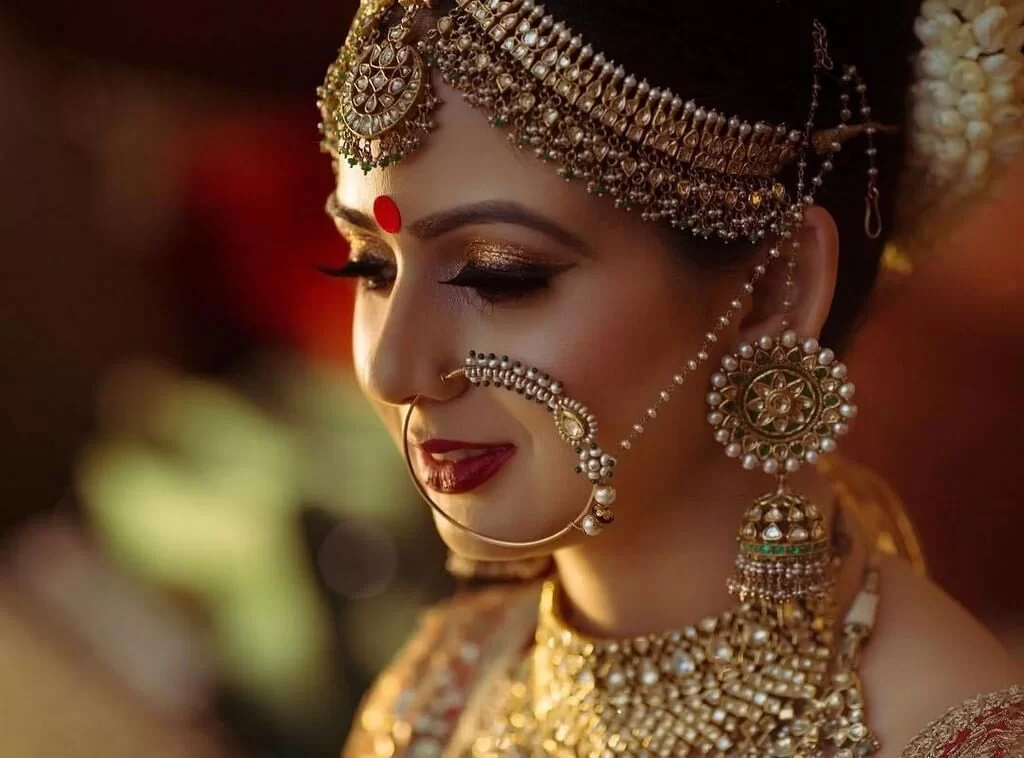
Necklaces and chokers: Often made of gold, pearls, or precious stones; bridal jewelry can be heavy and elaborate.
-
Bangles and bracelets: Symbolize prosperity and marital status.
-
Earrings: From delicate studs to elaborate jhumkas, reflecting regional style.
-
Bindis and turbans: Cultural and religious significance, adding to the overall look.
These accessories influence global jewelry trends, inspiring intricate designs and statement pieces.
Indian Heritage and Its Impact on Modern Fashion
Indian Textiles in Contemporary Fashion
Indian textiles are increasingly used in modern, global fashion:
-
Handloom fabrics appear in Western dresses, skirts, and jackets.
-
Block prints and tie-dye inspire casual wear and street fashion.
-
Silk and embroidery are adapted into luxury evening gowns and haute couture.
This blending of tradition and innovation shows how Indian craftsmanship remains relevant worldwide.
Sustainability and Craft Preservation
Many traditional Indian techniques are handcrafted and sustainable, supporting local artisans and communities:
-
Khadi movement: Promotes handspun, handwoven fabric as eco-friendly fashion.
-
Artisan cooperatives: Preserve embroidery, weaving, and dyeing traditions while providing livelihoods.
-
Ethical fashion brands: Focus on sustainable production using traditional techniques.
Indian fashion demonstrates that heritage and sustainability can go hand in hand, inspiring global eco-conscious fashion trends.
Indian Fashion Icons Influencing the World
Several Indian designers and celebrities have played key roles in bringing Indian culture to the global stage:
-
Designers: Sabyasachi Mukherjee, Manish Malhotra, Anita Dongre, and Abu Jani Sandeep Khosla.
-
Celebrities: Priyanka Chopra, Deepika Padukone, and Sonam Kapoor, showcasing Indian fashion on international red carpets.
-
Influencers: Social media personalities promoting Indian textiles, draping styles, and jewelry worldwide.
Their influence helps Indian fashion gain recognition, appreciation, and adaptation internationally.
Regional Diversity
India’s vast diversity is reflected in its clothing:
-
Rajasthan: Mirror work, vibrant colors, flowing ghagras.
-
Punjab: Phulkari embroidery and salwar kameez styles.
-
Kerala: White and gold kasavu sarees for festivals.
-
West Bengal: Baluchari and Tant saris with detailed motifs.
-
Gujarat: Bandhani tie-dye and intricate beadwork.
This diversity ensures that Indian fashion is never uniform, always rich, and full of stories.
Indian Fashion in Global Collaborations
Indian elements are increasingly visible in global fashion collaborations:
-
Western designers incorporating embroidery, silk, and jewelry styles from India.
-
International films and shows using Indian-inspired costumes and fabrics.
-
Fashion weeks showcasing fusion collections, blending Indian tradition with Western silhouettes.
These collaborations highlight the versatility and timeless appeal of Indian fashion.
Indian Heritage and Its Impact on Modern Fashion
Lessons from Indian Fashion
Indian culture offers several lessons for global fashion:
-
Color and vibrancy: Bold colors can make a statement without overwhelming.
-
Craftsmanship matters: Handwoven fabrics and embroidery show the value of artistry.
-
Storytelling through clothing: Every pattern, motif, or accessory carries meaning.
-
Cultural pride: Fashion is a way to celebrate identity and heritage.
-
Sustainability: Traditional methods often use natural dyes and eco-friendly techniques.
These principles inspire designers, stylists, and consumers worldwide.
Why Indian Fashion Inspires Globally
Indian fashion inspires because it is:
-
Timeless: Traditional techniques have been perfected over centuries.
-
Versatile: Elements can be adapted into modern clothing while retaining cultural meaning.
-
Expressive: Bold colors, patterns, and embroidery communicate emotion and identity.
-
Inclusive: Offers styles for celebrations, daily wear, and ceremonial occasions.
Global fashion draws from these qualities to create unique, meaningful, and beautiful designs.
Final Thoughts
Indian culture and fashion have made a profound impact on the global stage. From textiles and embroidery to jewelry and draping styles, Indian elements are celebrated and adapted worldwide.
The richness of regional diversity, symbolism, and craftsmanship ensures that Indian fashion remains a source of inspiration for designers, celebrities, and fashion enthusiasts everywhere.
Whether it’s a handwoven sari, an embroidered lehenga, or a bold accessory, Indian fashion tells a story of heritage, creativity, and identity. It is a testament to how culture can influence global trends while preserving tradition, proving that fashion is not just clothing—it’s a celebration of art, history, and human expression.
Indian fashion reminds the world that style is more than appearance—it’s culture, pride, and timeless beauty.
Read Also: Keep your face towards the sunshine and shadows will fall behind you
Watch Also: https://www.youtube.com/@TravelsofTheWorld24









Leave a Reply