
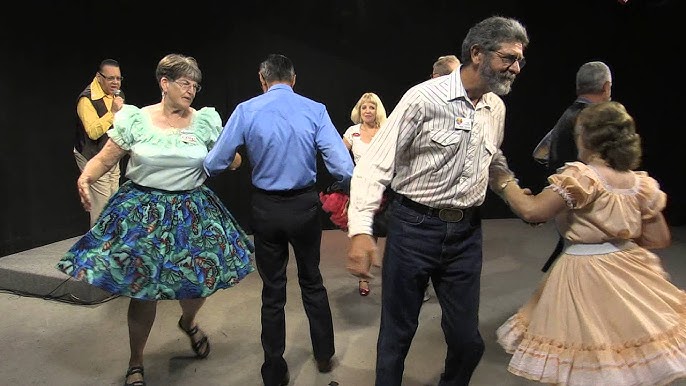
America’s square dance is more than just a set of steps. It is a social tradition that brings people together, builds friendships, and keeps a piece of American history alive. For generations, square dance has been part of town halls, school gyms, community centers, and family gatherings across the United States.
What makes square dance special is not how fancy it looks, but how it feels. It feels welcoming, warm, and full of life. Anyone can join, no matter their age or background. You do not need special training or perfect rhythm. You just need to listen, move, and enjoy the moment.
What Is Square Dance?
Square dance is a type of folk dance where four couples stand in a square shape. A caller gives spoken directions, and the dancers follow those instructions in time with the music.
The calls tell dancers where to move, who to turn with, and when to change positions. Every move depends on teamwork. If one person gets lost, others help guide them back.
This simple structure is what makes square dance fun and social. It is not about showing off. It is about dancing together.
Where Square Dance Came From
Square dance did not start in America, but America helped shape it. The dance has roots in European folk dances from England, France, and Ireland. Early settlers brought these dances with them to the New World.
Over time, these styles blended with American music and culture. People adapted the dances to fit local traditions and social gatherings. This is how square dance slowly became part of American life.
By the 1800s, square dancing was common in both rural and small-town communities. It was one of the main ways people met, celebrated, and relaxed together.
Why Square Dance Became So Popular
Before modern entertainment, people needed ways to enjoy themselves. Square dance was easy to organize and fun for everyone.
You did not need a big stage or fancy equipment. A fiddle, a caller, and a group of people were enough. This made square dance perfect for farms, villages, and growing towns.
It also helped people connect. In many places, square dance was how neighbors got to know each other and how young people met.
The Role of the Caller
The caller is one of the most important parts of square dance. The caller gives clear and rhythmic instructions that guide the dancers.
Good callers do more than just call steps. They keep the energy high, help confused dancers, and make everyone feel comfortable. Some callers even add humor or singing to keep the mood light.
Without the caller, square dance would not work. They are the voice that holds everything together.
Traditional vs. Modern Square Dance
Over the years, square dance has grown in different directions. Traditional square dance focuses on simple steps and social fun. It often uses folk music and classic calls.
Modern square dance, on the other hand, can be more complex. It includes more detailed moves and sometimes feels closer to a performance or competition.
Both styles have value, but traditional square dance remains closest to the original spirit of the dance. It is relaxed, friendly, and open to everyone.
Music That Moves the Dance
Music plays a big role in square dance. Traditional square dance music usually includes:
-
Fiddle
-
Guitar
-
Banjo
-
Simple drums
The music is lively but steady, helping dancers stay in rhythm. The beat is easy to follow, even for beginners.
Sometimes the music is live, which adds warmth and excitement. Other times, recorded music is used, especially in modern settings.
Clothing and Comfort
Square dance does not require special outfits. Comfort is more important than style.
Many dancers wear:
-
Comfortable shoes
-
Casual shirts or blouses
-
Skirts or loose pants
Some dancers enjoy wearing traditional or western-style clothes, but this is a personal choice, not a rule.
The goal is to move freely and feel relaxed.
Square Dance as a Social Activity
One of the biggest reasons square dance has lasted so long is its social nature. People come to dance, but they stay for the friendships.
Square dance events often feel like small parties. People chat between dances, laugh at mistakes, and welcome newcomers warmly.
This friendly environment helps reduce stress and build strong community bonds.
Square Dance in Schools
For many years, square dance was taught in American schools. It was seen as a healthy and fun way to teach rhythm, teamwork, and physical activity.
Students learned basic steps and gained confidence moving with others. In some places, square dance is still part of physical education programs.
These early experiences often shape how people feel about dance later in life.
Health Benefits of Square Dance
Square dance is not just fun. It is also good for the body and mind.
Some benefits include:
-
Light to moderate exercise
-
Improved balance and coordination
-
Mental focus from following calls
-
Social connection and emotional well-being
Because it does not feel like a workout, many people stay active without even realizing it.
Square Dance Across the Country
Square dance is practiced in all parts of the United States. From small rural towns to big cities, there are square dance clubs and events everywhere.
Each region adds its own flavor, but the core idea stays the same: people dancing together in a square.
National festivals and local gatherings help keep the tradition strong.
Why Square Dance Still Matters Today
In a world full of screens and fast-paced life, square dance offers something different. It slows people down and brings them face to face.
Square dance encourages listening, cooperation, and respect. Everyone must work together for the dance to succeed.
It also gives people a sense of belonging. This is something many people are looking for today.
Welcoming All Ages and Backgrounds
Square dance is truly for everyone. Children, adults, and seniors can all dance together.
You do not need a partner to start. Many groups help match dancers and rotate partners so everyone feels included.
This openness keeps square dance alive and growing.
Keeping the Tradition Alive
Square dance survives because people care. Clubs, callers, musicians, and volunteers work hard to organize events and teach newcomers.
Many groups focus on sharing the history of square dance, helping people understand why it matters.
As long as people keep dancing, the tradition will continue.
Square Dance and American Identity
Square dance is often seen as a symbol of American culture. It reflects values like cooperation, friendliness, and community spirit.
It shows how different cultures came together to create something uniquely American.
That is why square dance is sometimes called America’s folk dance.
A Dance That Brings People Together
At its heart, America’s square dance is about connection. It is about holding hands, moving together, and sharing a moment.
You do not need to be perfect. You just need to be present.
This simple idea is why square dance has lasted for centuries.
Final Thoughts
America’s square dance is not just an old tradition. It is a living, breathing part of American culture.
It brings people together, keeps history alive, and fills rooms with laughter and music.
Whether you are young or old, experienced or new, square dance welcomes you.
Step into the square, listen to the call, and enjoy the joy that generations before you have felt.
Because some traditions are meant to be danced, not forgotten.
Read Also: Keep your face towards the sunshine and shadows will fall behind you
Watch Also: https://www.youtube.com/@TravelsofTheWorld24

Leave a Reply