
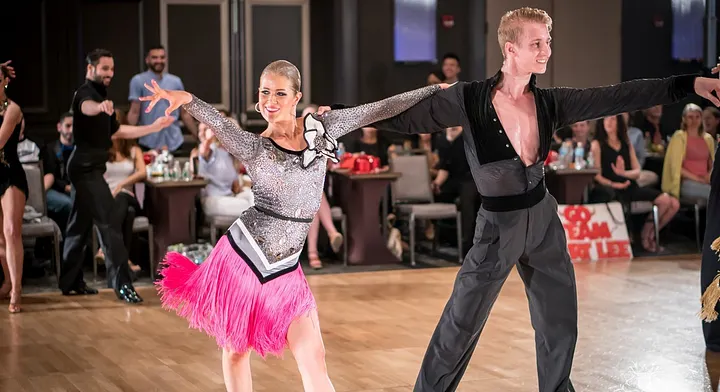
If you’ve ever seen a couple gliding across a shiny floor in fancy outfits — and wondered “How do they do that?” — you’re not alone. Competitive ballroom dancing looks graceful and fun, but if you’re just getting started, it can feel confusing. The good news? It’s something anyone can learn with practice, and starting with competitions can be super exciting and rewarding.
In this guide, I’ll walk you through everything you need to know — what competitive ballroom dancing is, how competitions work, what dances you’ll learn, how events are judged, what to wear, how to prepare, and tips for your first competition.
What is Competitive Ballroom Dancing?
Competitive ballroom dancing is a form of dance where couples perform choreographed routines in front of judges who score them. It’s not just about moving to music — dancers are judged on technique, timing, connection with their partner, posture, and how well they express the dance style. The goal is to out‑dance the other couples in your group to move on to the next round and, if you’re good enough, win awards or titles.
Competitive ballroom dancing is sometimes called DanceSport in official terms, because it’s treated like a sport — people train, practice, take lessons, and compete just like athletes do.
Why It’s So Popular
People enjoy competitive ballroom dancing because:
-
It’s a way to express music with your body.
-
You learn teamwork with your partner.
-
You get stronger, more confident, and more coordinated.
-
Competitions are fun, social, and can be friendly even when they’re competitive.
-
There are levels for everyone — from total beginner to advanced dancers.
Styles of Competitive Ballroom Dancing
Ballroom competition isn’t just one dance — there are several different styles. Each style has its own look and feel:
1. International Standard (Ballroom)
This style looks like classic ballroom dancing. It includes:
-
Waltz
-
Tango
-
Viennese Waltz
-
Slow Foxtrot
-
Quickstep
These dances are elegant and smooth, with partners often in close hold.
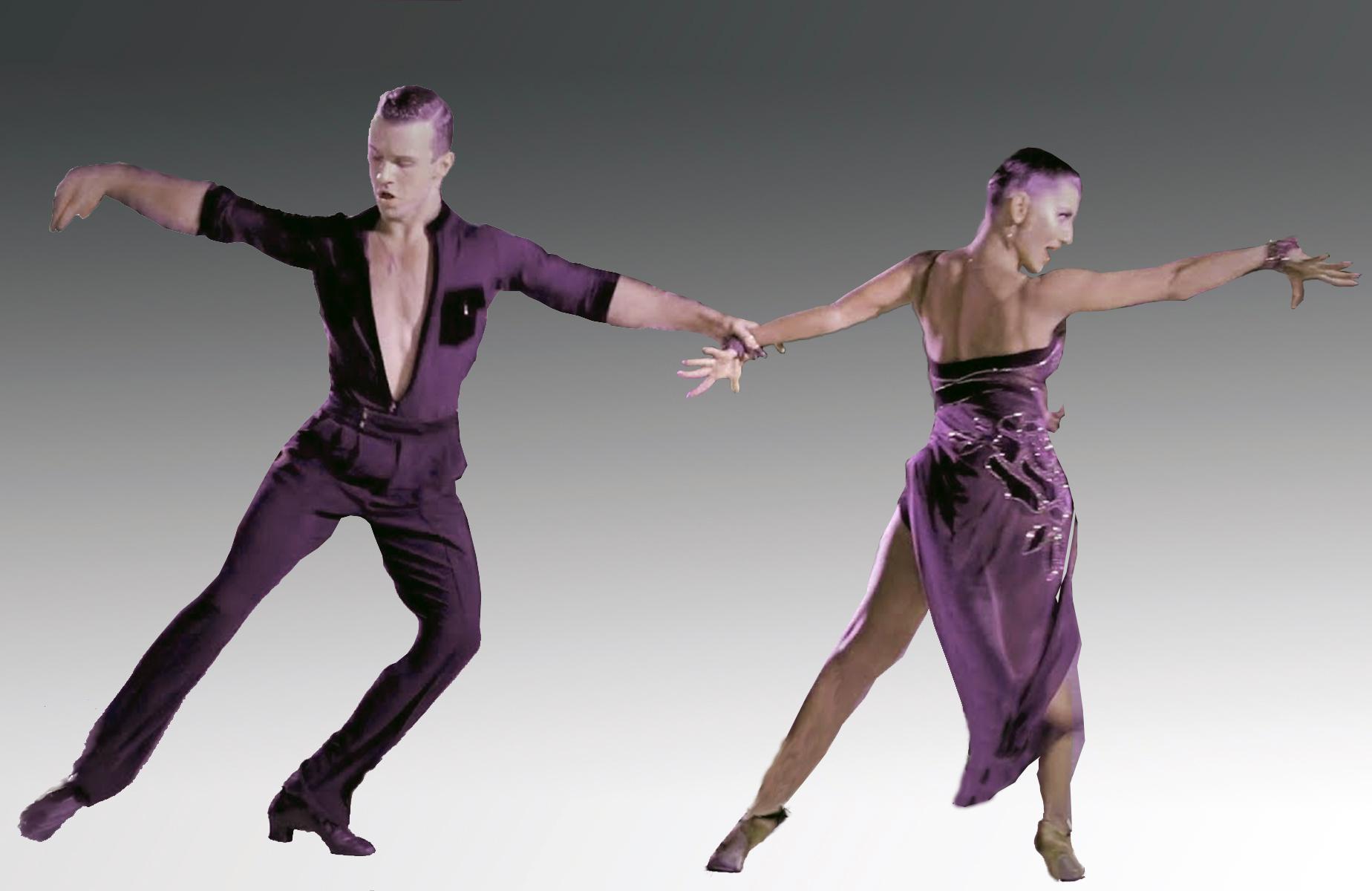
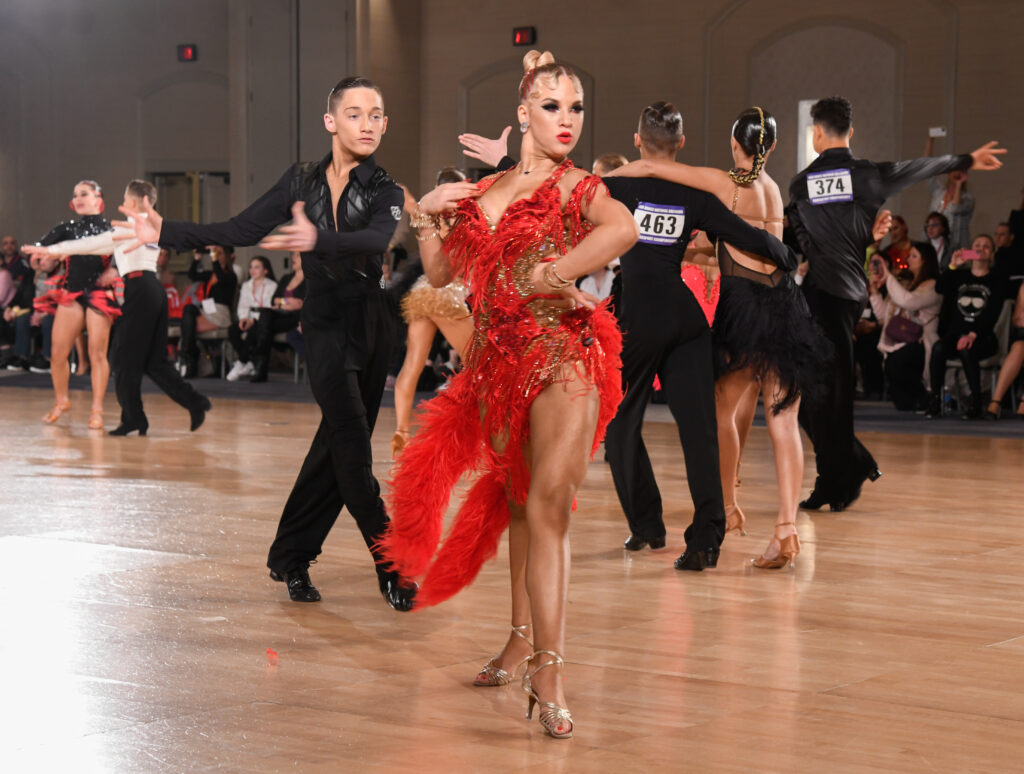
2. International Latin
These are more lively and expressive dances with sharper movements:
-
Cha‑Cha
-
Samba
-
Rumba
-
Paso Doble
-
Jive
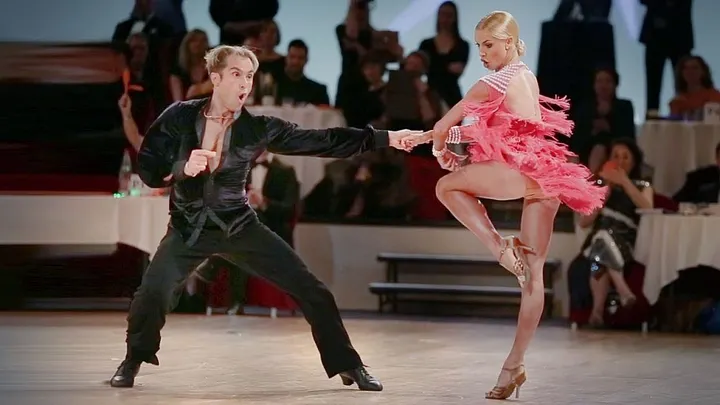
Latin dances are exciting and rhythmic, and they really show personality and style.
Some competitions also use American styles instead of international ones, like American Smooth and American Rhythm, each with slightly different dances.
Levels and Where You Start
One of the best things about competitive ballroom dancing is that there’s a level for everyone. You don’t need to be a pro to compete — there are beginner divisions.
Most competition systems use levels like:
-
Pre‑Bronze / Newcomer (for people just starting)
-
Bronze (still a beginner level)
-
Silver (intermediate)
-
Gold (advanced beginner/intermediate)
-
Novice, Pre‑Championship, Championship (higher levels)
These levels help make sure you’re dancing with people at a similar skill level.
This means you don’t need perfection to enter a competition — you’re judged against dancers with similar experience, not professionals.
What Happens at a Competition
When you go to your first ballroom dance competition, here’s what you’ll usually experience:
1. Registration
Before the event, you and your partner sign up for the dances you want to compete in. Make sure you enter the level that matches your training.
2. Warm‑Up and Practice
Competitions often provide a warm‑up or practice floor where you can move around before your dance time. This helps you get comfortable with the space and music.
3. Dance Rounds
You and your partner will dance each style you’re entered in. If the competition has many couples, there may be:
-
Preliminary round
-
Quarter final
-
Semi final
-
Final
Judges will watch couples in each round and choose who goes to the next round.
4. Scoring
Judges score your dancing based on how well you show the correct steps, musical timing, posture, frame, and general performance quality. They use rules and systems (like the skating system) to help make fair decisions across many dancers.
5. Finals and Awards
The best couples in each category and level move to the final round. Winners may get trophies, medals, ribbons, or certificates.
What You Need to Learn First
If you’re just starting, you’ll want to learn the basic steps and techniques of the dances you want to compete in. Here are ideas on how to begin:
Take Classes
A good dance teacher will teach you:
-
Proper posture and frame
-
How to lead and follow your partner
-
Basic steps for different dances
Taking regular classes with a partner helps you improve faster and builds your confidence.
Practice Often
Practicing at home or in a studio helps you remember steps and refine your movement. It’s also good to watch yourself in a mirror to check posture and movement.
Watch Others
Watch videos of competitions or live dancers so you can see how others move, connect with their partners, and show style.
What to Wear
What you wear matters in competitive ballroom dancing. It’s about looking neat, comfortable, and appropriate for the dance style and level.
Beginners
For your first few competitions, you don’t need fancy costumes. In fact, many beginner and newcomer categories don’t allow costumes with sparkles, fringe, or lots of decoration.
Typical beginner attire:
-
Men: plain dress shirt and trousers
-
Women: simple skirt or dress without heavy decoration
-
Dance shoes: suede or leather sole shoes that let you slide smoothly
Always check the specific dress rules of the competition you’re attending — they can differ event by event.
Shoes
Normal street shoes won’t work well. Ballroom dance shoes have smooth suede soles that help you turn and slide easily on the floor.
How to Prepare for Your First Competition
Competing can feel nerve‑wracking at first. Here are simple tips to help you get ready:
Practice with Your Partner
Good teamwork makes everything easier. Work on timing, connection, and trust — these matter just as much as steps.
Warm Up Physically
Do some stretches and simple practice before you compete so your muscles are ready and relaxed.
Arrive Early
Get to the event in plenty of time. You’ll feel less rushed, find your warm‑up space, and mentally prepare.
Visualize Success
Imagine yourself dancing the routine confidently — this helps calm nerves and build confidence.
Watch More Experienced Dancers
Seeing others perform will inspire you and help you understand what judges look for.
Competition Etiquette (How to Behave)
Ballroom dancing has a few etiquette rules that help make the event smooth and fair:
-
Respect the dance floor: Move in the correct direction (usually counterclockwise) so you don’t bump into other couples.
-
Be polite: Smile, acknowledge your partner, and be courteous to other dancers.
-
Follow the rules: Each competition may have rules about breaks, music, and conduct — follow them.
-
Listen to judges and hosts: They will guide you when it’s your turn.
Moving Up Levels
As you dance more and practice consistently, you’ll improve and eventually move up to the next level. That’s a big part of what makes competitive ballroom dancing fun — you can actually see your progress over time.
At lower levels, simple figures and steps are expected. At higher levels, judges will look for:
-
More polished technique
-
Clear musical timing
-
Strong connection with your partner
-
Better expression and performance quality
Frequently Asked Questions
Do I need a partner to compete?
Usually, yes. Ballroom competitions are mostly for couples — one leader and one follower. But some competitions offer solo events or special categories.
How soon can I compete after starting lessons?
There’s no set rule. Some dancers enter local beginner categories after just a few months of lessons.
Is competitive ballroom dancing expensive?
It can be — lessons, shoes, and competition fees add up. But many beginners start gently with affordable classes and basic attire.
Final Thoughts
Competitive ballroom dancing is a beautiful mix of art, sport, and performance. It’s not just about steps — it’s about rhythm, connection, expression, and confidence. You don’t have to be perfect to start. What matters most is your love for movement, music, and the joy of learning something new.
Once you start, you’ll see that every dance is a chance to improve, meet people, challenge yourself, and have fun on the dance floor. Whether you want to compete locally or dream of big ballroom stages, every expert began as a beginner.
Read Also: Keep your face towards the sunshine and shadows will fall behind you
Watch Also: https://www.youtube.com/@TravelsofTheWorld24





Leave a Reply