
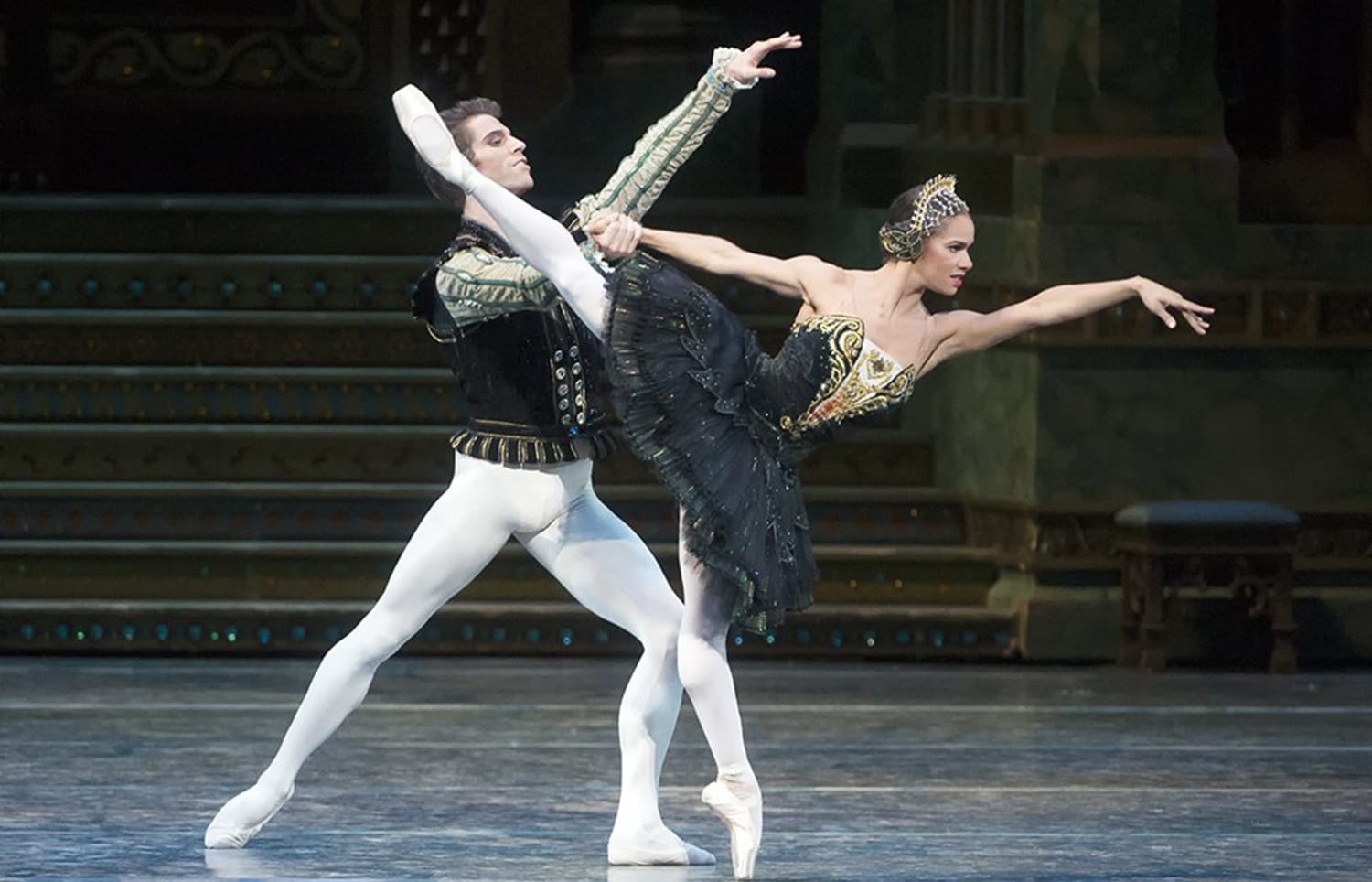
Misty Copeland is not just a ballerina. She is a symbol of change, strength, and possibility. Her journey from a late starter in ballet to becoming a historic figure in the dance world has inspired millions around the globe. When Misty Copeland became the first Black female principal dancer at the American Ballet Theatre (ABT), she didn’t just achieve a personal milestone — she changed ballet history forever.
This article explores who Misty Copeland is, why her achievements matter, and how she continues to shape the future of ballet today.
Early Life: A Late Start with Big Dreams
Misty Copeland was born on September 10, 1982, in Kansas City, Missouri. She grew up in a large family and faced many challenges during her childhood. Her family moved often, and money was always tight. Ballet was not part of her early life, and she did not grow up attending dance schools like many professional ballerinas do.
In fact, Misty did not start ballet until she was 13 years old, which is considered very late in the ballet world. Most professional dancers begin training at the age of four or five. Starting at 13 usually means it is already too late to pursue a ballet career.
But Misty was different.
She was discovered at a community center in California, where she joined a free ballet class. Her natural talent was clear almost immediately. Within months, teachers noticed her strong technique, flexibility, and musicality. Despite her late start, she progressed at an unusually fast pace.
Rapid Rise in the Ballet World
After just a short time of training, Misty began winning ballet competitions and performing lead roles. Her talent caught national attention. At age 15, she won first place at the Los Angeles Music Center Spotlight Awards, a major achievement for such a young dancer.
Her rise was not smooth or easy. Misty faced injuries, pressure, and personal struggles. She also had to navigate a ballet world that did not often welcome dancers who looked like her.
Ballet has traditionally favored a very specific image — thin body types, pale skin, and a narrow definition of beauty. Misty Copeland did not fit that mold. She was often told she had the “wrong body” for ballet or that she did not look like a typical ballerina.
Instead of giving up, she pushed forward.
Joining the American Ballet Theatre
In 2001, Misty Copeland joined the American Ballet Theatre, one of the most prestigious ballet companies in the world. This was a major step in her career.
She started in the corps de ballet, the group of dancers who perform together rather than in lead roles. Advancement in ballet companies can take many years, and competition is fierce.
Despite the challenges, Misty stood out. Her performances were powerful, emotional, and full of personality. Audiences noticed her strong presence on stage.
In 2007, she became a soloist at ABT — a significant achievement. Still, the title of principal dancer, the highest rank in a ballet company, remained out of reach for many years.
Breaking Barriers: Making Ballet History
In 2015, Misty Copeland made history.
She was promoted to principal dancer at the American Ballet Theatre, becoming the first Black woman in the company’s 75-year history to hold this title.
This moment was historic not just for ABT, but for ballet as a whole.
For decades, Black dancers were underrepresented in major ballet companies, especially in leading roles. Misty’s promotion sent a powerful message: ballet can be inclusive, and talent matters more than outdated traditions.
Her promotion was celebrated worldwide. Fans, dancers, and cultural leaders praised her achievement as a turning point for diversity in classical dance.
Why Misty Copeland’s Success Matters
Misty Copeland’s success is important for many reasons.
Representation Matters
Seeing a Black ballerina in a principal role helps young dancers believe they belong in ballet. For children who never saw themselves reflected on stage, Misty became proof that dreams are possible.
Challenging Old Standards
Misty challenged rigid ideas about body shape, skin color, and beauty in ballet. She showed that strength, artistry, and expression matter more than fitting a narrow image.
Opening Doors for Others
Since her rise, ballet companies have become more aware of diversity and inclusion. More dancers of color are being trained, hired, and promoted.
Iconic Roles and Performances
Misty Copeland has performed many iconic roles throughout her career. Some of her most notable performances include:
-
Odette/Odile in Swan Lake
-
Firebird
-
Romeo and Juliet
-
Giselle
-
The Nutcracker
Her role as the Firebird was especially significant. It was the role that led directly to her promotion to principal dancer. The performance received widespread praise for its power and emotion.
Critics often describe Misty’s dancing as strong, expressive, and emotionally deep. She brings a unique presence to classical roles, blending athleticism with grace.
Beyond Ballet: A Cultural Icon
Misty Copeland’s influence goes far beyond the stage.
She has appeared in magazines, television shows, and major advertising campaigns. She became the first Black female dancer to appear in ads for major ballet brands and fashion companies.
She has also worked with well-known artists and organizations, helping bring ballet to new audiences who may never have felt connected to it before.
Through social media, interviews, and public appearances, Misty uses her voice to talk about diversity, discipline, and perseverance.
Author and Advocate
Misty Copeland is also a successful author.
She has written several books, including:
-
Life in Motion, her memoir
-
Ballerina Body, a guide to fitness and confidence
-
Firebird, a children’s book that encourages young readers to believe in themselves
Her books focus on hard work, self-belief, and overcoming obstacles. They are especially popular with young readers and aspiring dancers.
Misty is also an advocate for arts education. She supports programs that bring dance and creative opportunities to underserved communities.
Facing Challenges and Injuries
Like many professional dancers, Misty Copeland has faced serious injuries throughout her career. Ballet is physically demanding, and injuries can be career-ending.
In 2016, she suffered a stress fracture that forced her to take time off from performing. Later injuries also limited her ability to dance full-time.
Despite these setbacks, Misty remained committed to ballet and to her role as a leader and role model. She has been open about the physical and mental challenges dancers face, helping bring honesty to conversations about the profession.
Redefining Success in Ballet
In recent years, Misty Copeland has taken a step back from constant performing, focusing more on mentorship, advocacy, and creative projects.
This shift does not mean stepping away from ballet. Instead, it reflects a broader definition of success — one that includes leadership, influence, and impact.
Misty continues to work with ballet companies, schools, and cultural organizations to shape the future of dance.
Inspiring the Next Generation
One of Misty Copeland’s greatest legacies is inspiration.
Young dancers across the world look up to her. Many say they started ballet or stayed in training because they saw Misty succeed.
Her story teaches important lessons:
-
It’s never too late to start
-
Talent can come from anywhere
-
Hard work can break barriers
-
You belong, even if you feel different
These messages resonate far beyond ballet.
A Lasting Impact on Ballet History
Misty Copeland’s place in ballet history is secure.
She didn’t just reach the top of her field — she changed what the field looks like. She challenged traditions, expanded opportunities, and redefined what a ballerina can be.
Her career proves that art evolves when it becomes more inclusive. Ballet, once seen as closed and rigid, is now slowly opening its doors to new voices and stories.
Conclusion
Ballerina Misty Copeland makes ballet history not only because of her titles and achievements, but because of the doors she opened along the way.
From a late start in a free community class to the world’s most prestigious stages, her journey is a powerful reminder that talent, courage, and persistence can rewrite the rules.
Misty Copeland is more than a dancer. She is a trailblazer, a leader, and an inspiration whose impact will be felt in ballet for generations to come.
Read Also: Keep your face towards the sunshine and shadows will fall behind you
Watch Also: https://www.youtube.com/@TravelsofTheWorld24









Leave a Reply