
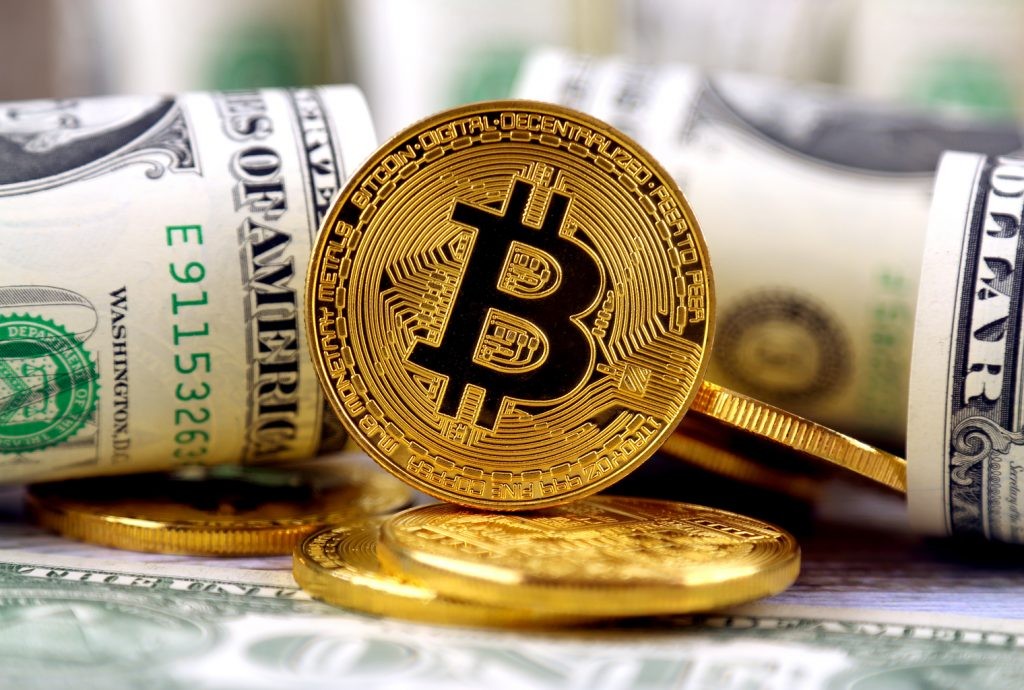
In recent years, cryptocurrencies like Bitcoin, Ethereum, and others have grabbed the attention of millions of people around the world. Some see them as the money of the future, while others call them “worthless” digital tokens that are just a gamble. But if cryptocurrencies really are worthless, what does that mean for your dollars, or for the money you keep in your bank account? Let’s take a closer look.
Understanding Cryptocurrencies
Before we answer that question, it’s important to understand what cryptocurrencies are.
Cryptocurrencies are digital money that exist only online. They are not printed like dollars or coins, and they are not controlled by any government or central bank. Instead, they work on a technology called blockchain, which is like a giant public notebook that keeps track of every transaction.
People can use cryptocurrencies to buy things, invest, or send money anywhere in the world without needing a bank. Bitcoin, created in 2009, was the first cryptocurrency. Since then, thousands of other cryptocurrencies have been created.
Are Cryptocurrencies “Worthless”?
Some experts say cryptocurrencies are “worthless” because they are not backed by any government or physical asset. Unlike dollars, which governments guarantee, cryptocurrencies get their value from what people are willing to pay for them.
The price of cryptocurrencies can go up or down dramatically in a short time. For example, Bitcoin has gone from being worth just a few dollars to tens of thousands of dollars, and sometimes back down again. This makes them very risky.
Calling them “worthless” doesn’t mean they have no value at all. It just means their value is unstable, unpredictable, and not guaranteed by a government like the U.S. dollar.
Dollars vs Cryptocurrencies
To understand what will happen to your dollars if cryptocurrencies fail, it helps to compare them:
-
Backed by Government
-
Dollars are backed by the U.S. government. This means you can trust that your dollars will be accepted for goods and services in the U.S., and many other countries recognize them too.
-
Cryptocurrencies are not backed by any government. Their value depends entirely on what people agree to pay.
-
-
Stability
-
Dollars are relatively stable. Prices may go up or down slightly due to inflation, but they do not usually crash overnight.
-
Cryptocurrencies are very volatile. Their prices can double or halve in a single day.
-
-
Use in Daily Life
-
You can use dollars everywhere: to buy food, pay bills, or get a loan.
-
Cryptocurrencies are not yet widely accepted. Only some stores or online platforms accept them.
-
-
Legal Protection
-
Your dollars in a bank account are insured up to a certain amount by the government.
-
Cryptocurrencies do not have this protection. If you lose your crypto wallet or get hacked, there is no guarantee you will get it back.
-
What Happens if Cryptocurrencies Fail?
If cryptocurrencies suddenly become worthless, what will happen? The short answer is: most of your dollars will still be fine.
-
No Direct Effect on Dollars
Dollars are issued by the U.S. government, not by cryptocurrency markets. So even if Bitcoin or other cryptocurrencies drop to zero, your dollars in cash or in a bank account will not disappear. -
Indirect Effects on Markets
There could be some indirect effects. Many people have invested large sums in cryptocurrencies, sometimes taking loans or selling assets to buy them. If cryptocurrencies crash, those people might lose money and sell other investments, like stocks, to cover losses. This could affect the stock market or other financial systems slightly. -
Psychological Impact
The biggest effect may be on people’s confidence. If many people believed cryptocurrencies were a safe way to store money and suddenly lost everything, it might make some people more cautious about investing in anything new. This could affect markets for a while.
Why Some People Still Believe in Cryptocurrencies
Even though cryptocurrencies are risky, many people still believe in them. Here’s why:
-
Decentralization
Cryptocurrencies are not controlled by any single bank or government. This appeals to people who worry about inflation, government mistakes, or banking restrictions. -
Potential for High Returns
While risky, cryptocurrencies have made some early investors extremely rich. The chance of a big win attracts many people. -
Innovation
Cryptocurrencies are part of a larger technology called blockchain. This technology can be used for more than money, like smart contracts, supply chain tracking, or secure digital identities.
Dollars Are Not Perfect Either
Even though dollars are safer than cryptocurrencies, they are not perfect:
-
Inflation
Inflation means the value of dollars decreases over time. For example, $100 today may buy less in ten years. Governments try to control inflation, but it cannot be completely avoided. -
Government Policies
Governments can print more money when needed, which can reduce the value of existing dollars. This is rare in small amounts, but if done excessively, it can lead to serious problems like in countries that have experienced hyperinflation. -
Bank Failures or Crises
If a bank fails, your dollars may be at risk if they are not insured. However, in countries like the U.S., deposits are protected by government insurance up to a certain limit.
So while dollars are not perfect, they are still far more reliable than cryptocurrencies in terms of stability and everyday use.
Lessons from Cryptocurrency Failures
Even if cryptocurrencies fail completely, there are lessons we can learn:
-
Diversify Your Money
Never put all your savings in one place, whether it’s crypto, stocks, or dollars. Diversifying helps protect your money if one investment fails. -
Understand What You Buy
Many people bought cryptocurrencies without fully understanding them, hoping to make quick money. This is risky. Always understand an investment before putting money in it. -
Risk vs Reward
Cryptocurrencies can offer big rewards, but also big losses. Dollars, stocks, and bonds are usually safer, but with lower returns. Knowing the balance between risk and reward is important. -
Technology Can Change Finance
Even if cryptocurrencies fail, blockchain technology may continue to grow. New financial systems, digital payments, and secure contracts could still change how money works.
The Big Picture
If cryptocurrencies are “worthless,” most people’s dollars will still exist. Dollars are backed by governments, widely accepted, and relatively stable. The main risks from a cryptocurrency crash would be losses for investors who put too much money in crypto and some minor effects on global markets.
At the same time, a cryptocurrency crash could remind people to be careful with new financial products, understand risks, and diversify their money. It could also show that while digital innovation is exciting, traditional money still holds its value in everyday life.
Conclusion
Cryptocurrencies are a fascinating new form of money, but they are risky and unpredictable. If they became worthless, your dollars would still be safe. Dollars are backed by governments, accepted everywhere, and insured in banks, while cryptocurrencies are purely digital and depend on market confidence.
The lesson is clear: cryptocurrencies can be interesting for investing or experimentation, but dollars and other traditional forms of money remain the foundation of financial stability. Understanding the risks, keeping your money diversified, and being cautious with hype is key to protecting your financial future.
So even if the world of crypto crashes, your dollars—and the stability they provide—will likely still be there to support you.
Read Also: Keep your face towards the sunshine and shadows will fall behind you
Watch Also: https://www.youtube.com/@TravelsofTheWorld24











Leave a Reply