
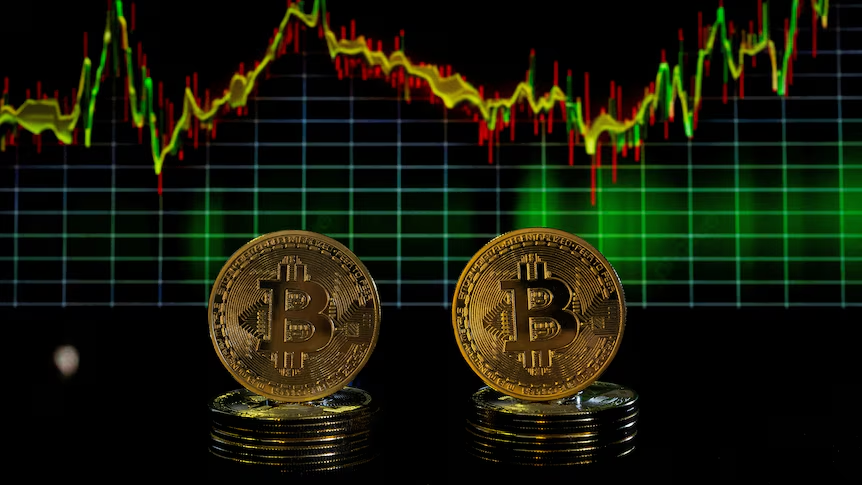
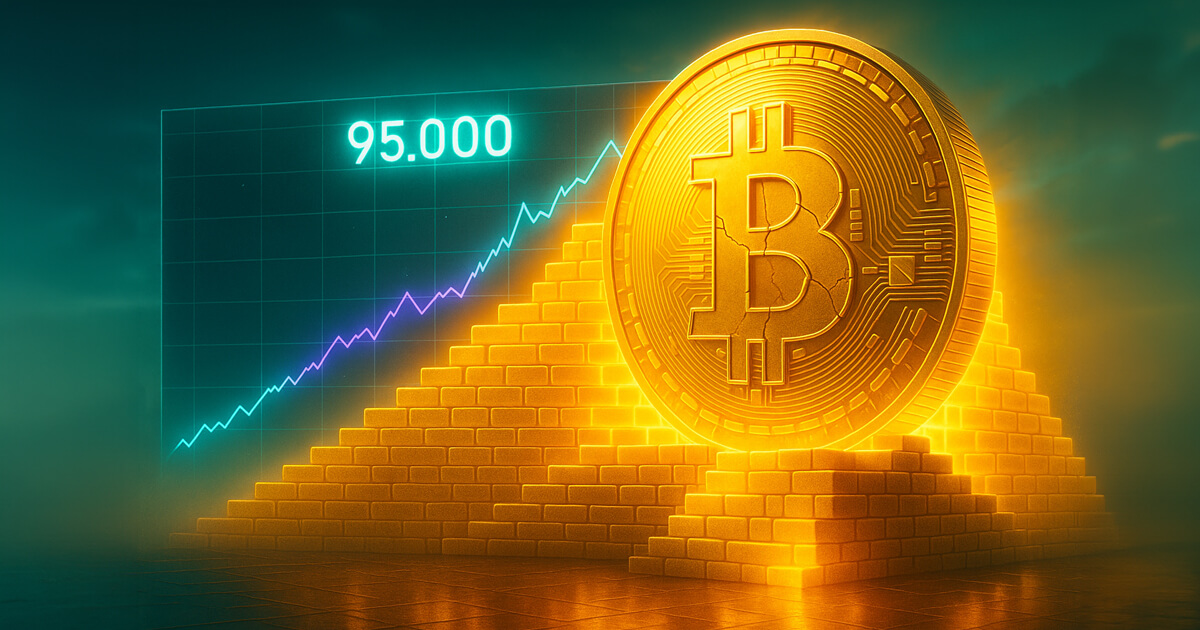
Bitcoin has done it again. The world’s most famous digital currency has surged past the $120,000 mark, setting a new all-time high and sending shockwaves through global financial markets. Supporters are celebrating what they see as proof that Bitcoin is becoming a serious form of money and a long-term store of value. At the same time, critics are raising red flags, warning that the rapid rise looks like a bubble that could burst at any moment.
This sharp move has brought Bitcoin back into the spotlight. Social media is buzzing, investors are debating, and everyday people are asking the same question: is this the start of a new era, or are we heading toward another painful crash?
This article looks at why Bitcoin crossed $120,000, what is driving the rally, why some experts are worried, and what this moment could mean for the future of crypto.
A Historic Moment for Bitcoin
Crossing $120,000 is not just another price level. It is a psychological milestone. For years, Bitcoin struggled to convince the wider public that it was more than a risky experiment. Each new high pushes that argument further.
When Bitcoin first appeared in 2009, it was worth almost nothing. Early users traded it for fun or curiosity. Over time, it climbed past $1,000, then $10,000, then $50,000. Each jump came with excitement, doubt, crashes, and recoveries.
Now, breaking $120,000 places Bitcoin firmly among major global assets. Its total market value has grown so large that it can no longer be ignored by banks, governments, or big investors.
What Is Driving Bitcoin’s Latest Surge?
Several factors are pushing Bitcoin higher, and together they have created a powerful wave of demand.
Strong Institutional Interest
One of the biggest changes in recent years is who is buying Bitcoin. It is no longer just tech fans or small traders. Large investment firms, hedge funds, and even pension funds are getting involved.
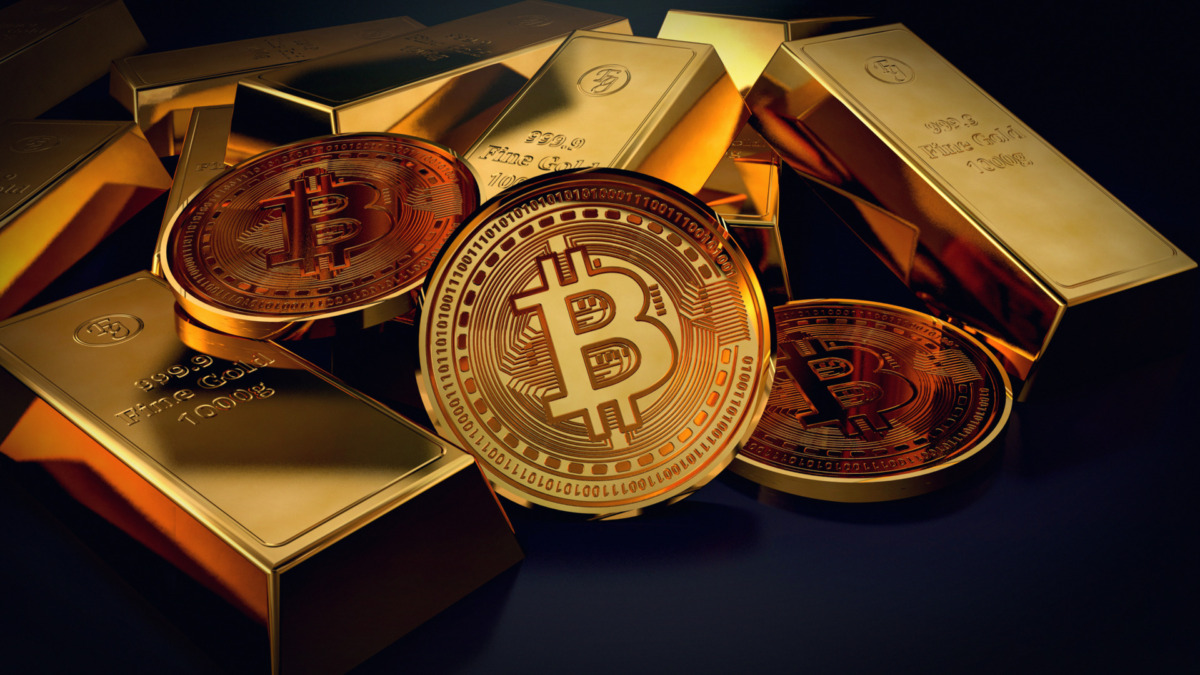
Many institutions now see Bitcoin as “digital gold.” They believe it can protect value during times of inflation and economic uncertainty. As more big players enter the market, demand increases and prices rise.
Limited Supply
Bitcoin’s supply is fixed. Only 21 million coins will ever exist. This scarcity is a core part of its design.
As demand grows and supply stays the same, basic economics takes over. When more people want something that is limited, the price goes up. At higher price levels, even small increases in demand can push Bitcoin sharply upward.
Growing Acceptance
Bitcoin is becoming easier to buy, sell, and use. More payment platforms, apps, and financial services now support it.
In some countries, people are using Bitcoin as a way to protect their savings from weak local currencies. This real-world use adds strength to the market.
Global Economic Uncertainty
Inflation fears, rising debt, and political tensions are also playing a role. When people lose trust in traditional systems, they look for alternatives.
Bitcoin, which operates outside government control, benefits during times of uncertainty. Many investors see it as a hedge against problems in the traditional financial world.
The Role of Media and Hype
Media attention has always played a big role in Bitcoin’s price movements. Headlines about new highs attract new buyers. Social media spreads excitement quickly.
When Bitcoin crosses major price levels like $120,000, fear of missing out kicks in. People rush to buy, worried they will be left behind.
This rush can push prices even higher in a short time. But it can also make the market unstable, setting the stage for sharp drops.
Why Some Experts Are Warning of a Bubble
Despite the celebrations, not everyone is convinced that this rally is healthy. Many analysts are urging caution.
Rapid Price Increases
One of the biggest warning signs is speed. When prices rise too fast, they can lose connection with real value.
Bitcoin’s history shows a pattern of strong rallies followed by deep crashes. Critics argue that the current surge looks similar to past bubbles.
Speculation Over Use
While Bitcoin adoption is growing, many buyers are still focused on price, not use. When people buy mainly to sell at a higher price later, markets can become fragile.
If confidence suddenly drops, selling can happen just as fast as buying did.
Regulatory Risks
Governments around the world are still figuring out how to deal with cryptocurrencies. New rules or restrictions could change the market quickly.
Any strong regulatory action could scare investors and trigger a sharp correction.
Market Psychology
Markets are driven by human emotion. Greed and fear often replace logic at extreme price levels.
Some experts believe Bitcoin’s move above $120,000 is being fueled more by emotion than fundamentals, which increases the risk of a sudden reversal.
Lessons From Past Bitcoin Crashes
Bitcoin has been declared “dead” many times before. After reaching highs, it has fallen 50%, 70%, or even more.
Each crash wiped out weak hands but also set the stage for future growth. Long-term supporters argue that volatility is the price paid for high returns.
However, past performance does not guarantee future results. As Bitcoin grows larger, crashes could affect more people and have wider economic impact.
How Long-Term Supporters See It
Bitcoin believers are not worried about short-term drops. They focus on the long-term picture.
They argue that Bitcoin is still early in its global journey. Compared to gold or major currencies, its market size is still relatively small.
From this view, $120,000 is not the top, but just another step. Supporters believe that as adoption grows, Bitcoin could move much higher over the next decade.
What This Means for Small Investors
For everyday investors, this moment is exciting but risky.
Buying at record highs can be dangerous. If prices fall, losses can be quick and painful.
At the same time, staying completely out can feel frustrating when prices keep rising.
Experts often suggest caution, patience, and education. Understanding the risks is just as important as understanding the potential rewards.
Bitcoin vs Traditional Assets
Bitcoin’s rise has sparked comparisons with stocks, gold, and real estate.
Unlike stocks, Bitcoin does not represent ownership in a company.
Unlike gold, it is fully digital.
This makes it hard to value using traditional methods. That uncertainty adds both excitement and risk.
Some investors use Bitcoin as a small part of a larger portfolio rather than going all in.
The Impact on the Wider Crypto Market
When Bitcoin moves, the rest of the crypto market often follows.
A strong Bitcoin rally can lift other digital currencies. But if Bitcoin falls, it can pull the whole market down.
This makes Bitcoin’s current price level important not just for Bitcoin holders, but for the entire crypto space.
Could the Bubble Really Burst?
The truth is simple: no one knows for sure.
Bitcoin could continue rising as demand grows and adoption spreads. Or it could face a sharp correction if sentiment changes.
Both outcomes are possible, and both have happened before.
This uncertainty is part of what makes Bitcoin so controversial and fascinating.
The Bigger Picture
Beyond price, Bitcoin represents a shift in how people think about money.
It challenges traditional systems and offers an alternative vision.
Whether the price goes up or down in the short term, its impact on global finance is already clear.
Final Thoughts
Bitcoin breaking through $120,000 is a major moment. It shows how far digital money has come in a short time.
At the same time, warnings of a bubble cannot be ignored. History shows that fast rises often come with sharp falls.
For now, Bitcoin stands at a crossroads between belief and doubt, excitement and fear.
Whether this rally marks a new chapter or the peak of a bubble, one thing is certain: Bitcoin is no longer a fringe idea. It is a powerful force that continues to reshape the financial world.
Read Also: Keep your face towards the sunshine and shadows will fall behind you
Watch Also: https://www.youtube.com/@TravelsofTheWorld24






Leave a Reply