
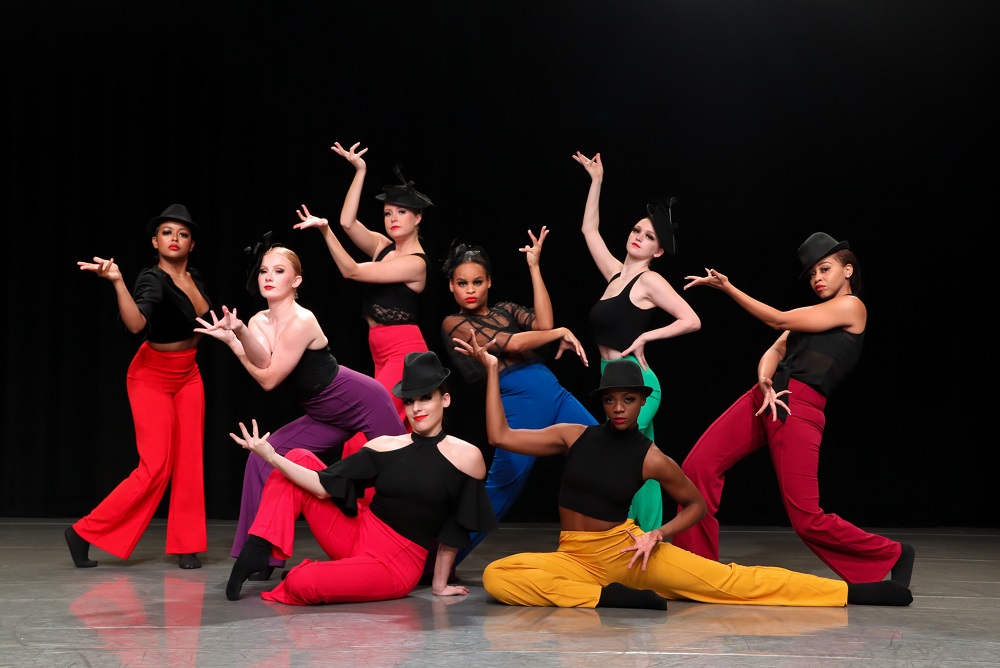
When B. Moore Dance takes the stage at The Joyce Theater, audiences are not simply witnessing a performance — they are stepping into a living conversation between tradition and innovation, athleticism and artistry, structure and freedom. Known for its bold physicality, emotional clarity, and musical intelligence, B. Moore Dance delivered an evening that reaffirmed why contemporary dance continues to thrive as one of the most compelling art forms of our time.
The Joyce Theater, long regarded as one of New York City’s premier homes for dance, proved to be the perfect venue for B. Moore Dance’s work. With its intimate seating and impeccable acoustics, the Joyce allows every nuance of movement to be seen and felt. From the first step to the final breath, the company commanded the space with confidence, precision, and a palpable sense of purpose.
A Company with a Distinct Voice
Founded by choreographer Bridget L. Moore, B. Moore Dance has steadily earned a reputation for producing work that is both technically demanding and emotionally resonant. Moore’s choreographic voice is unmistakable: grounded yet expansive, sharp yet lyrical, deeply musical while never being constrained by rhythm alone.
At the Joyce Theater, the company showcased this identity with clarity. Each piece felt intentional — not just in movement, but in pacing, structure, and emotional arc. Rather than overwhelming the audience with excess, the choreography invited viewers to lean in, to observe the subtleties of weight shifts, pauses, and transitions that gave the work its depth.
What sets B. Moore Dance apart is its ability to balance rigor with accessibility. Even audience members unfamiliar with contemporary dance could follow the emotional journey unfolding on stage. At the same time, seasoned dance enthusiasts were rewarded with intricate phrasing, unexpected spatial patterns, and a sophisticated use of dynamics.
Movement That Breathes
One of the most striking qualities of the performance was the dancers’ relationship to breath. Movement did not appear forced or decorative; it emerged organically, as if each phrase grew out of the previous one. There was a sense of continuity — bodies responding to one another in real time, listening as much as they were leading.
The dancers demonstrated extraordinary control, particularly in transitions. Rather than relying solely on explosive moments, the choreography emphasized how dancers arrived and departed, how energy traveled through the body, and how stillness could be just as powerful as motion.
This attention to detail created a layered experience. On the surface, the work was visually compelling. Beneath that, it carried emotional weight — moments of tension, release, vulnerability, and resilience woven seamlessly into the choreography.
Musicality as Architecture
Music played a central role in shaping the evening. Rather than functioning as background, it acted as an architectural framework for the movement. The dancers did not merely move to the music; they inhabited it, sometimes aligning perfectly with its rhythm, at other times pushing against it.
This interplay created moments of surprise and suspense. A sudden silence might heighten the impact of a single gesture, while a swelling musical phrase could propel the dancers into expansive, traveling sequences. The choreography revealed Moore’s deep understanding of musical structure and her ability to translate sound into physical form.
Importantly, the music never dominated the dancers. Instead, it supported the choreography, allowing the performers’ individuality to shine through. Each dancer brought their own interpretation, coloring the movement with subtle variations that made the performance feel alive and immediate.
The Dancers: Strength with Sensitivity
The strength of B. Moore Dance lies not only in its choreography but in the exceptional quality of its performers. The dancers at the Joyce Theater demonstrated remarkable versatility, shifting effortlessly between grounded, weighty movement and light, suspended phrases.
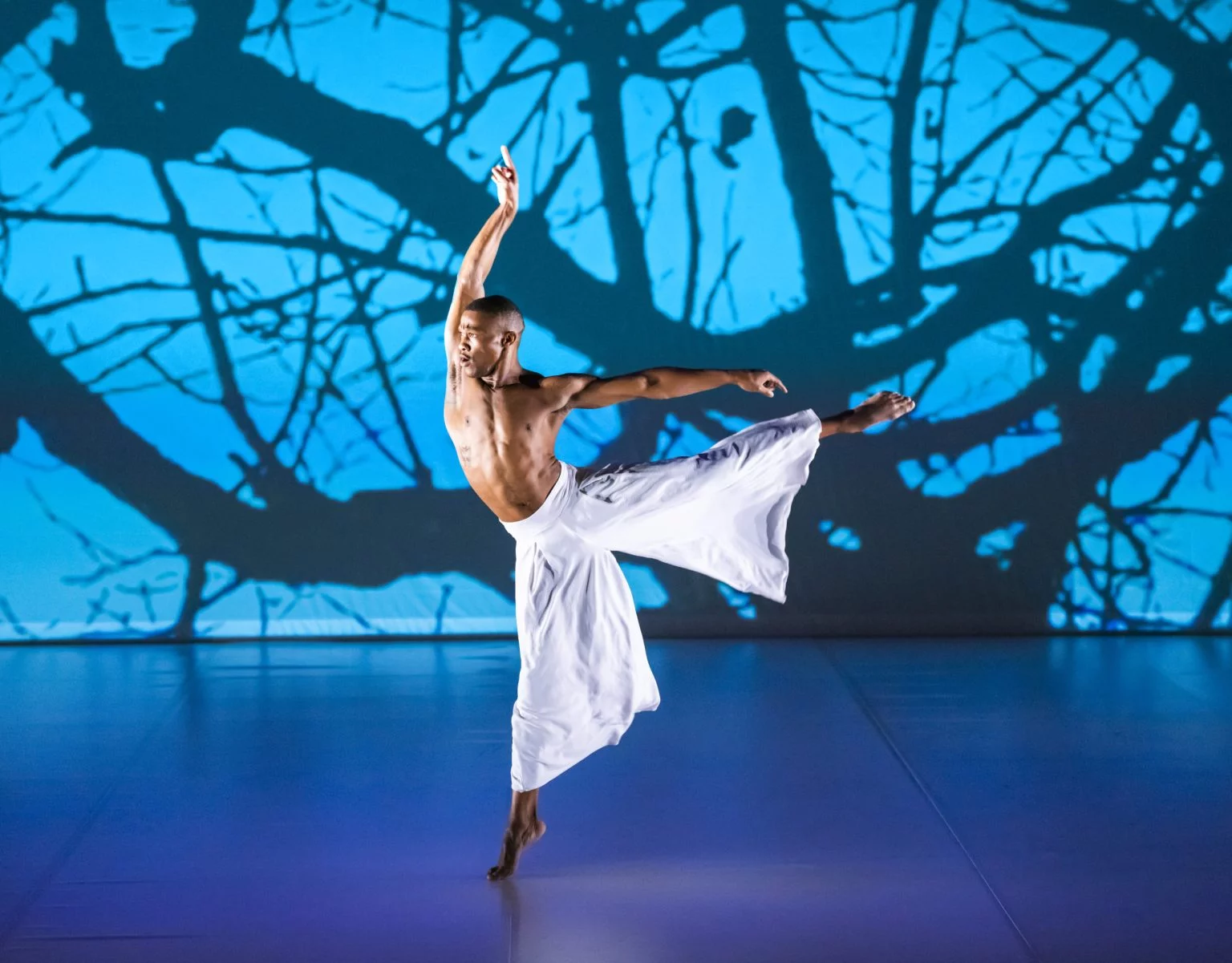
Their technical prowess was evident — clean lines, strong extensions, and impeccable timing — but what truly distinguished them was their expressive range. Faces remained engaged without becoming theatrical, allowing emotion to emerge naturally from the movement itself.
Partnering sections were especially compelling. Lifts appeared fluid and unforced, built on trust and mutual awareness rather than sheer strength. These moments highlighted the company’s commitment to collaboration and equality, reinforcing the idea that dance is a shared experience rather than a display of individual dominance.
Space, Light, and Design
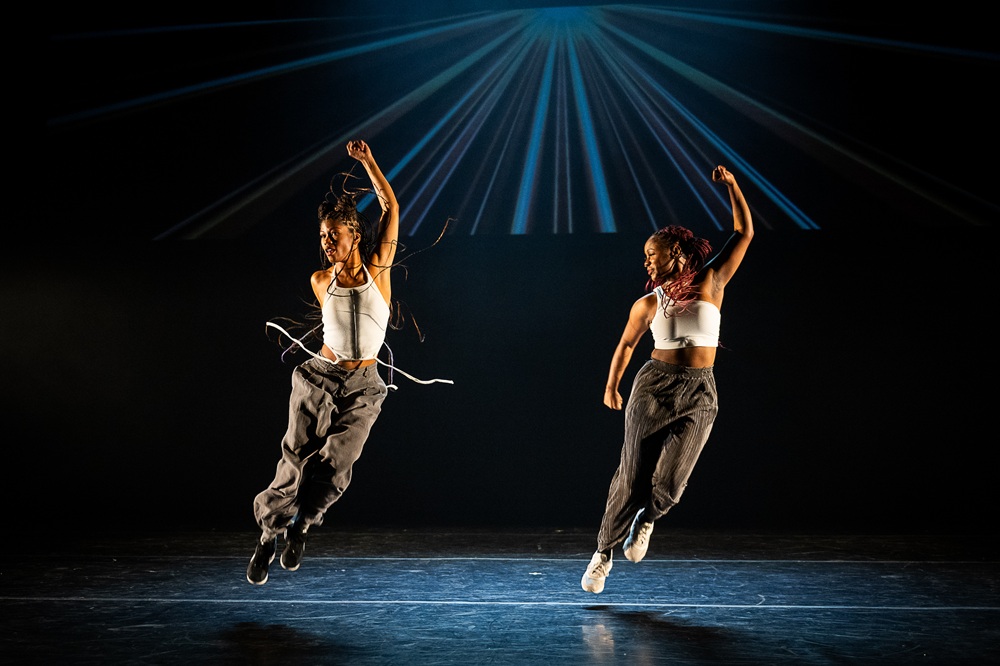
The staging at the Joyce Theater enhanced the performance without distracting from it. Lighting design was used sparingly yet effectively, sculpting the dancers’ bodies and guiding the audience’s focus. Subtle shifts in brightness and color mirrored changes in mood, creating an atmosphere that felt cohesive and intentional.
Costume choices were understated, emphasizing movement rather than ornamentation. Clean lines and neutral tones allowed the dancers’ physicality to remain front and center. This simplicity underscored the company’s belief that movement itself is the message.
The use of space was particularly noteworthy. Dancers moved confidently across the stage, utilizing both expansive traveling sequences and intimate, inward-facing moments. This constant negotiation between openness and containment added complexity to the work, reflecting themes of connection, independence, and collective momentum.
Emotional Resonance Without Narrative
One of the hallmarks of B. Moore Dance’s work is its refusal to rely on explicit storytelling. Instead of presenting a clear narrative, the choreography offered emotional landscapes — spaces where viewers could project their own experiences and interpretations.
At the Joyce Theater, this approach proved highly effective. The absence of a literal storyline allowed the audience to engage more deeply with the movement itself. Rather than asking, “What is this about?” viewers found themselves asking, “How does this make me feel?”
Moments of vulnerability were balanced by displays of strength, suggesting themes of endurance, adaptation, and human connection. The choreography did not dictate meaning; it invited reflection. This openness is a testament to Moore’s confidence as a choreographer and her trust in the audience’s ability to engage thoughtfully.
A Dialogue with the Contemporary Dance Landscape
B. Moore Dance’s appearance at the Joyce Theater also served as a reminder of the company’s place within the broader contemporary dance landscape. While the work acknowledges influences from modern and postmodern traditions, it never feels derivative.
Instead, the choreography speaks to current conversations in dance — questions about identity, community, and the body’s relationship to space and sound. The company’s commitment to inclusivity and authenticity resonates strongly in an era where audiences seek art that reflects both personal and collective experiences.
The performance demonstrated that contemporary dance can be intellectually stimulating without being inaccessible, physically demanding without being alienating, and emotionally rich without relying on spectacle.
Audience Response and Impact
The audience at the Joyce Theater responded with sustained applause, reflecting a deep appreciation for the company’s work. There was a sense of shared discovery in the room — a recognition that something meaningful had just occurred.
For many viewers, the performance likely served as an introduction to B. Moore Dance. For others, it reaffirmed the company’s reputation as a vital force in contemporary dance. In either case, the evening left a lasting impression, encouraging continued engagement with the art form.
Why This Performance Matters
In a cultural moment often dominated by speed and distraction, B. Moore Dance offered an experience rooted in presence and intention. The performance asked audiences to slow down, to observe carefully, and to connect — not only with the dancers on stage but with their own emotional responses.
The Joyce Theater, with its rich history and commitment to dance, provided an ideal platform for this work. Together, the company and the venue created an environment where contemporary dance could be appreciated in its full complexity.
Conclusion
B. Moore Dance at the Joyce Theater was more than a performance; it was a testament to the enduring power of movement as a form of expression. Through precise choreography, exceptional dancers, and a clear artistic vision, the company delivered an evening that was both intellectually engaging and deeply felt.
For those who experienced it, the performance served as a reminder of why dance matters — why bodies in motion can communicate what words cannot, and why spaces like the Joyce Theater remain essential to the cultural life of the city.
As B. Moore Dance continues to evolve, this appearance at the Joyce stands as a significant milestone — one that celebrates not only where the company has been, but where it is boldly headed next.
Read Also: Keep your face towards the sunshine and shadows will fall behind you
Watch Also: https://www.youtube.com/@TravelsofTheWorld24







Leave a Reply