
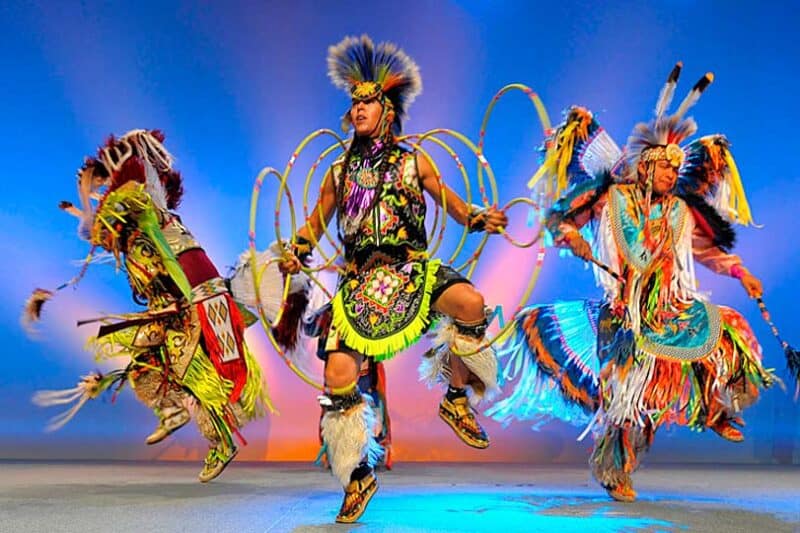
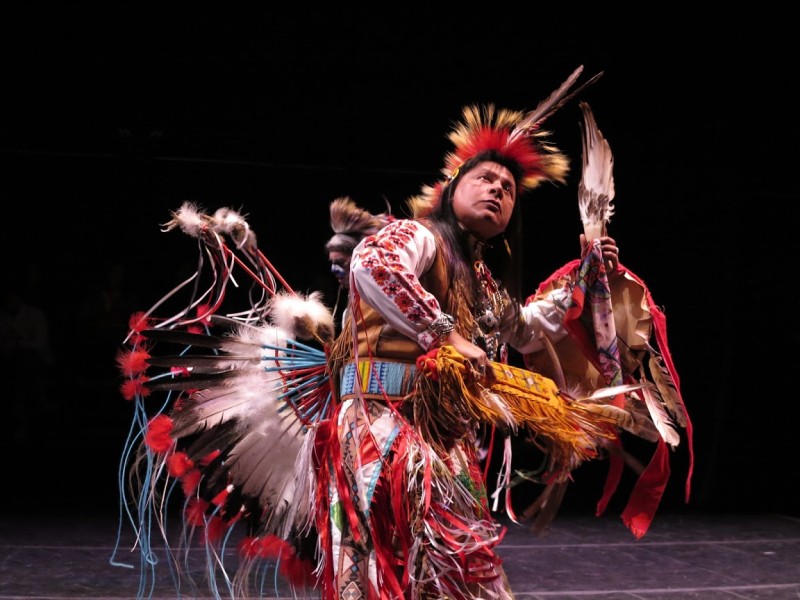
Across the United States, among the many traditional Native American dances practiced and celebrated today, the hoop dance stands out as the most consistently requested and widely admired. Audiences are captivated not only by its visual beauty and technical complexity but also by the deep spiritual meaning embedded within every movement. More than a performance, the hoop dance is a sacred storytelling tradition, one that reflects Native American beliefs about life, interconnectedness, and the balance between the physical and spiritual worlds.
At its heart, the hoop dance represents the circle of life — a powerful symbol found throughout Native American cultures. The circle has no beginning and no ending, reminding us that life is continuous, cyclical, and interconnected. Through the rhythmic movement of hoops and the skill of the dancer, this ancient philosophy is brought vividly to life.
Origins of the Hoop Dance
The origins of the hoop dance can be traced back hundreds of years to Indigenous tribes across North America, particularly among the Anishinaabe (Ojibwe), Lakota, Hopi, Pueblo, and other Plains and Southwest tribes. While specific styles and interpretations vary among tribes, the underlying message remains consistent: life is sacred, and all living things are connected.
Historically, the hoop dance was not created for entertainment. It was a healing dance, often performed during ceremonies to restore balance, offer prayers, or teach moral lessons to younger generations. The hoops themselves were traditionally made from willow branches or other natural materials, symbolizing humanity’s bond with the earth.
Over time, as Native American traditions faced suppression, the hoop dance became a powerful act of cultural survival. Today, it is both a ceremonial practice and a celebrated performance art, shared proudly with audiences around the world.
The Meaning of the Hoop
The hoop is far more than a prop. In Native American belief systems, it represents the sacred circle — the sun, the moon, the seasons, the earth, and the cycle of human life from birth to death and rebirth.
The circle teaches that:
-
Everything is connected
-
What we do affects others
-
Life moves in cycles, not straight lines
-
Balance and harmony are essential for well-being
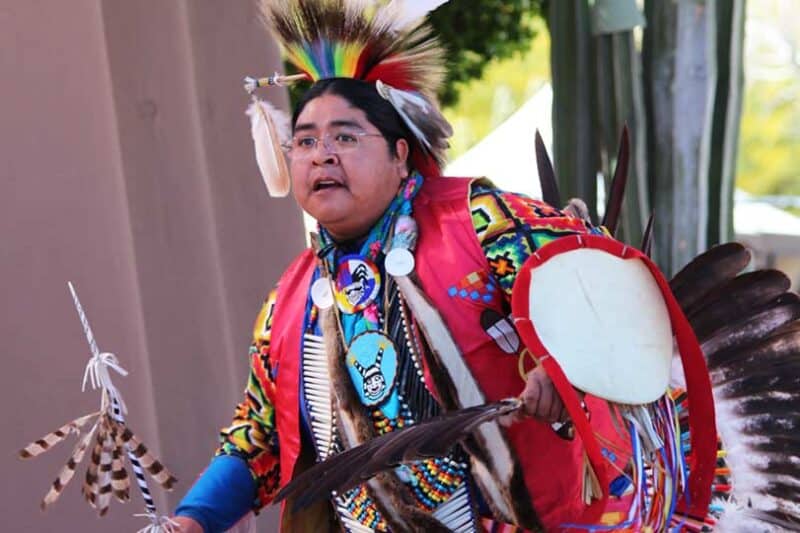
When a hoop dancer steps into the circle, they are entering a spiritual space. Each movement is intentional, and every formation tells part of a story about the journey of life.
From One Hoop to Many
A traditional hoop dance often begins with a single hoop, symbolizing birth and the beginning of life. As the dance progresses, the dancer adds hoop after hoop, weaving them together in intricate and fluid formations.
Each added hoop represents:
-
A new stage of life
-
A relationship or responsibility
-
A challenge or lesson learned
-
Another thread in the web of existence
As the number of hoops increases — sometimes reaching 20, 30, or even more — the dance becomes more complex, mirroring the growing responsibilities and experiences that shape a person’s life.
Despite the increasing difficulty, the dancer moves with grace and control, reminding us that even as life becomes more complicated, balance is possible through harmony and awareness.
Sacred Formations and Their Meanings
One of the most mesmerizing aspects of the hoop dance is the way hoops are transformed into symbolic shapes. Each formation carries spiritual and cultural meaning, often representing animals, elements, or universal concepts.
Common formations include:
-
The Eagle – Symbolizing strength, freedom, vision, and spiritual connection
-
The Butterfly – Representing transformation, growth, and renewal
-
The Snake – Signifying healing and the flow of life energy
-
The Globe – Reflecting unity and the interconnectedness of all nations
-
The Flower – Symbolizing beauty, balance, and harmony with nature
As the dancer shifts effortlessly from one formation to another, the audience witnesses a visual narrative — a story told without words, yet deeply understood on an emotional level.
The Web of Life
Central to the hoop dance is the concept of the web of life. Every hoop added to the dance represents another strand in this web — family, community, nature, ancestors, and future generations.
The dance teaches that:
-
No one exists in isolation
-
Every action has consequences
-
Respect for all living beings is essential
This philosophy is especially meaningful in today’s world, where disconnection from nature and one another has become increasingly common. The hoop dance serves as a reminder that our well-being depends on the health of the whole.
Music and Rhythm
The hoop dance is traditionally performed to the steady beat of a drum, often accompanied by singing or chanting. The drum is considered the heartbeat of Mother Earth, grounding the dancer and connecting them to the natural world.
The rhythm guides the dancer’s movements, creating a powerful synchronization between body, sound, and spirit. Each step, turn, and gesture flows in harmony with the drum, reinforcing the sacred nature of the performance.
In modern settings, hoop dancers may perform at powwows, schools, cultural festivals, museums, and national events. While the context may change, the spiritual foundation remains intact.
A Living Tradition
Today, the hoop dance is experiencing a renaissance. Native American dancers across generations are embracing the tradition, blending ancient teachings with contemporary creativity. Some dancers incorporate faster tempos, more hoops, or innovative transitions, showcasing extraordinary athleticism while honoring cultural roots.
Competitive hoop dancing has also emerged at powwows, where dancers are judged on:
-
Precision
-
Creativity
-
Timing
-
Cultural integrity
-
Storytelling ability
Despite its evolution, elders emphasize that the dance must always be performed with respect, humility, and understanding of its meaning.
Education and Cultural Preservation
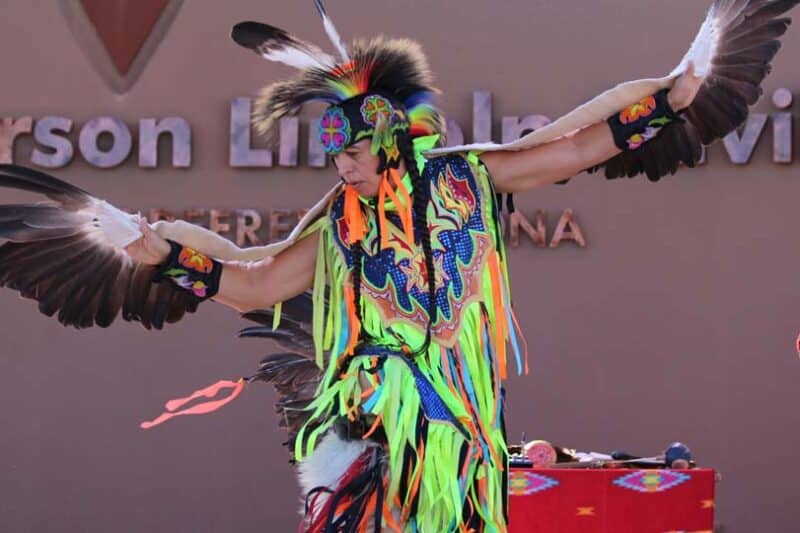
Beyond performance, the hoop dance plays a vital role in education and cultural preservation. Many dancers serve as cultural ambassadors, visiting schools and community centers to teach students about Native American history, values, and traditions.
Through storytelling and demonstration, audiences learn that Native cultures are not relics of the past but living, evolving traditions. The hoop dance becomes a bridge — connecting generations, cultures, and communities through shared understanding.
Why the Hoop Dance Resonates Today
The hoop dance continues to be the most requested Native American dance in the United States because it speaks to universal truths. Regardless of background, audiences recognize the themes of:
-
Growth
-
Connection
-
Struggle
-
Balance
-
Hope
In a fast-paced world, the dance offers a moment of reflection — a reminder that life is not about rushing forward but about moving thoughtfully within the circle.
Respectful Appreciation
It is important to approach the hoop dance with respect. While many Native dancers generously share their culture with the public, the dance remains sacred. True appreciation involves listening, learning, and honoring the traditions behind the performance rather than reducing it to spectacle.
By understanding its meaning, audiences move beyond admiration and into respectful engagement.
Conclusion
The hoop dance is far more than a visually stunning performance. It is a sacred expression of Native American worldview — one that honors life as a continuous, interconnected journey. From the first hoop to the final formation, the dance tells a story of birth, growth, struggle, connection, and renewal.
Each hoop added is another reminder that we are all part of the same circle — woven together in the web of life, with no true beginning and no true end.
As long as the drum continues to beat and the hoops continue to move, the hoop dance will remain a powerful symbol of resilience, wisdom, and the enduring spirit of Native American culture.
Read Also: Keep your face towards the sunshine and shadows will fall behind you
Watch Also: https://www.youtube.com/@TravelsofTheWorld24





Leave a Reply