
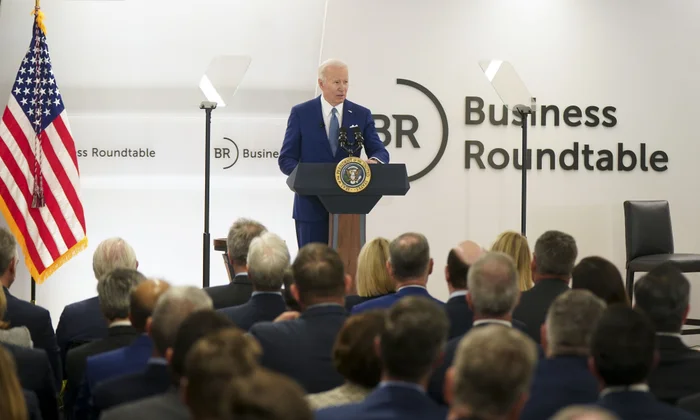
In recent years, the conversation around corporate responsibility has shifted dramatically. Stakeholders—ranging from customers and investors to employees and regulators—are increasingly demanding that businesses demonstrate not only profitability but also accountability, ethical practices, and sustainability. Against this backdrop, the Business Roundtable (BRT), a prominent association of CEOs from leading U.S. corporations, released a new statement outlining the principles that should guide business conduct in today’s evolving economic and social landscape.
This statement signals a broader shift in what is expected from companies that proudly market themselves as “Made in USA”. Beyond the traditional focus on economic growth, businesses are being asked to balance stakeholder interests, environmental sustainability, social impact, and domestic economic development. The statement, therefore, is not just symbolic—it is a roadmap for corporate action in an era where transparency and responsibility can determine long-term success.
This article explores what the new Business Roundtable statement tells stakeholders about sustainable, domestically-focused business practices, and what it means for U.S.-based manufacturers, small and medium enterprises, investors, and consumers.
1. A Brief Background on the Business Roundtable
The Business Roundtable is an association of CEOs from major U.S. companies that aims to influence public policy and promote responsible business leadership. Historically, the organization focused primarily on shareholder value, advocating policies that maximize financial returns for investors.
However, in 2019, the BRT redefined its corporate purpose statement to emphasize stakeholder capitalism, acknowledging that long-term success depends not only on profits but also on the well-being of employees, communities, customers, and the environment. The latest statement builds on this philosophy, offering more concrete guidance on how businesses can achieve sustainable growth while remaining committed to domestic economic development.
2. What the Statement Says About Sustainability
The core message of the new BRT statement is that sustainability is no longer optional. For companies claiming “Made in USA” credentials, this extends beyond marketing—it entails measurable action in several areas:
-
Environmental Responsibility: Companies are urged to minimize carbon footprints, manage resources efficiently, and reduce waste.
-
Ethical Sourcing and Manufacturing: Domestic suppliers should follow ethical labor practices, comply with safety regulations, and embrace environmentally responsible production.
-
Transparency: Businesses are expected to disclose sustainability metrics, including energy usage, emissions, and labor practices, to stakeholders.
By linking sustainability with domestic manufacturing, the BRT suggests that producing in the U.S. can align with environmental stewardship—contrary to the perception that offshore production is always cheaper or more efficient.
3. The Emphasis on Stakeholder Capitalism
The statement reinforces a stakeholder-centric approach. While shareholders remain important, companies are now explicitly asked to consider the broader ecosystem of stakeholders, including:
-
Employees: Offering fair wages, safe working conditions, and professional development opportunities.
-
Customers: Ensuring product safety, quality, and ethical supply chains.
-
Communities: Supporting local economies, investing in infrastructure, and participating in civic initiatives.
-
Environment: Reducing negative impacts and promoting sustainable business practices.
For “Made in USA” companies, this means that domestic operations must not only generate revenue but also contribute positively to American communities. The statement positions the domestic workforce, local suppliers, and regional economies as integral to corporate responsibility.
4. Implications for Domestic Manufacturers
For manufacturers producing goods in the U.S., the statement provides both guidance and incentive:
a) Operational Excellence
Sustainability and efficiency are intertwined. Implementing energy-efficient technologies, waste reduction, and lean manufacturing processes can reduce costs while meeting stakeholder expectations.
b) Ethical Labor Practices
Employers must ensure fair compensation, safe work environments, and equitable treatment for all workers. This aligns with the broader BRT message that the welfare of employees is as important as profits.
c) Supply Chain Accountability
Companies sourcing materials domestically or abroad are encouraged to maintain transparency and ensure that suppliers adhere to ethical and environmental standards. This is especially important for manufacturers claiming “Made in USA,” as it reinforces authenticity.
d) Branding and Market Differentiation
Sustainability and stakeholder responsibility can enhance brand reputation. Consumers increasingly seek products that reflect their values, and demonstrating commitment to domestic, ethical, and sustainable practices can create a competitive advantage.
5. Financial and Investment Considerations
The statement also signals to investors that financial performance and sustainability are interconnected. Investors are increasingly evaluating companies based on ESG criteria (Environmental, Social, Governance), and businesses aligning with BRT principles may enjoy:
-
Access to Capital: ESG-aligned companies are more attractive to institutional investors.
-
Risk Mitigation: Ethical and sustainable operations reduce legal, reputational, and supply chain risks.
-
Long-Term Growth: Companies prioritizing stakeholders are often better positioned for sustainable profits over the long term.
For stakeholders evaluating “Made in USA” businesses, the implication is clear: domestic production combined with responsible practices can enhance both financial performance and social impact.
6. The Role of Policy and Regulation
The BRT statement also underscores the importance of government policy in promoting sustainable domestic business:
-
Incentives for Green Manufacturing: Tax credits or grants for companies adopting sustainable practices.
-
Support for Domestic Supply Chains: Encouraging U.S. sourcing to strengthen local economies and reduce dependence on imports.
-
Regulatory Clarity: Clear, consistent rules help companies implement sustainability initiatives without excessive compliance costs.
By engaging with policymakers, businesses can help shape a regulatory environment that supports ethical, domestically-based, and sustainable operations.
7. Consumer Expectations and Market Trends
Consumers increasingly value transparency, ethics, and sustainability in purchasing decisions. The statement signals that businesses embracing these principles will be better positioned to meet market demands:
-
Preference for Ethical Products: Surveys show consumers are willing to pay a premium for ethically sourced and sustainable goods.
-
Support for Domestic Jobs: Many consumers prioritize buying products made in the U.S. to support local employment.
-
Demand for Transparency: Modern consumers expect clear labeling and access to information about sourcing and environmental impact.
“Made in USA” is no longer just a marketing slogan—it has become a promise of quality, ethics, and social responsibility.
8. Challenges for Businesses
While the statement provides guidance, it also highlights challenges:
-
Higher Costs of Domestic Production: Labor, compliance, and infrastructure costs in the U.S. are higher than in some international markets.
-
Supply Chain Complexity: Ensuring ethical practices across domestic and global suppliers requires robust monitoring and auditing.
-
Balancing Profitability and Stakeholder Goals: Companies must navigate the tension between immediate financial returns and long-term sustainability investments.
-
Consumer Price Sensitivity: Not all customers may be willing to pay higher prices for ethically produced, domestic goods.
Successfully implementing the BRT principles requires careful planning, innovation, and commitment from leadership.
9. Examples of Sustainable “Made in USA” Practices
Several companies illustrate how these principles can be applied in practice:
-
Energy-Efficient Manufacturing: U.S. factories using renewable energy sources, reducing waste, and implementing water conservation programs.
-
Fair Labor Practices: Employers offering living wages, safe work environments, and professional development programs.
-
Local Sourcing: Companies sourcing materials from regional suppliers to strengthen local economies and reduce environmental impact.
-
Product Lifecycle Responsibility: Designing products that are durable, recyclable, or biodegradable to minimize environmental harm.
These practices show that domestic manufacturing can align with modern sustainability and stakeholder-focused principles.

10. The Strategic Advantage of Adopting the BRT Principles
Companies that adopt the Business Roundtable’s principles may gain several strategic advantages:
-
Enhanced Reputation: Businesses seen as responsible and sustainable enjoy stronger brand loyalty.
-
Attracting Talent: Employees increasingly prefer to work for companies aligned with ethical and environmental values.
-
Investor Confidence: ESG-aligned companies can access broader investment opportunities.
-
Market Differentiation: Standing out in crowded markets through ethical, sustainable, and domestic production creates a competitive edge.
The BRT statement, therefore, is not only a call for responsibility—it is also a blueprint for long-term strategic advantage.
11. Implications for Small and Medium Businesses
While much of the BRT membership consists of large corporations, the principles are relevant for small and medium-sized enterprises (SMEs) as well:
-
SMEs can leverage their agility to implement sustainable practices faster than large corporations.
-
Domestic SMEs producing high-quality goods can capitalize on the “Made in USA” premium.
-
Transparency and ethical operations allow smaller companies to build trust and loyalty with customers and communities.
-
Collaborative initiatives—such as industry associations or regional consortia—can help SMEs meet sustainability standards affordably.
By adopting these practices early, smaller businesses can position themselves as leaders in the domestic and sustainable business space.
12. Key Takeaways for Stakeholders
The BRT statement provides clear messages for different stakeholders:
-
Employees: Expect safe workplaces, fair pay, and opportunities for growth.
-
Investors: Consider ESG criteria alongside traditional financial metrics.
-
Customers: Demand transparency, quality, and ethical production.
-
Policymakers: Encourage domestic production and sustainable business practices.
-
Suppliers: Align with ethical, environmental, and quality standards to remain competitive.
In essence, the statement emphasizes accountability, collaboration, and a holistic approach to sustainable business.
13. Looking Ahead: The Future of Sustainable “Made in USA”
The BRT statement signals that sustainable domestic business is not a trend—it is a standard. Companies that integrate these principles into operations are likely to thrive in a world where stakeholders expect more than just financial returns.
Key future directions include:
-
Integration of ESG Reporting: Standardized disclosure of environmental, social, and governance metrics will become more common.
-
Innovation in Domestic Manufacturing: Adoption of advanced manufacturing technologies, renewable energy, and circular economy practices.
-
Strengthened Local Supply Chains: Greater focus on sourcing materials locally to reduce risk and promote community development.
-
Consumer Education: Helping buyers understand the value of sustainability and domestic production to support informed purchasing decisions.
Businesses embracing these principles will not only meet stakeholder expectations but also contribute to a stronger, more resilient U.S. economy.
Conclusion
The new Business Roundtable statement sends a powerful message: profitability and sustainability are no longer mutually exclusive. For companies producing goods in the U.S., the statement underscores that “Made in USA” is more than a label—it represents a commitment to employees, communities, ethical practices, and environmental stewardship.
Stakeholders are increasingly holding businesses accountable for social and environmental impact. By adopting these principles, U.S. companies can:
-
Build trust and loyalty with consumers
-
Attract and retain top talent
-
Reduce operational and reputational risks
-
Strengthen domestic supply chains
-
Enhance long-term profitability
The BRT’s guidance is a roadmap for responsible, sustainable, and competitive domestic business in the modern economy. For stakeholders—from investors to employees to consumers—it clarifies what to expect from companies committed to a future where economic growth and social responsibility go hand in hand.
Read Also: Keep your face towards the sunshine and shadows will fall behind you
Watch Also: https://www.youtube.com/@TravelsofTheWorld24













Leave a Reply