

The U.S. dollar (USD) has long been the dominant global currency, serving as the backbone of international trade, investment, and finance. Its supremacy underpins global economic stability, allowing the United States unparalleled influence over monetary policy, capital flows, and geopolitical leverage. However, recent trends suggest that the dollar’s dominance is facing internal and external challenges. Rising dedollarization, driven by strategic, economic, and technological factors, reflects a growing desire among countries and corporations to reduce reliance on the greenback. This essay explores the factors contributing to the dollar’s decline, the forces behind dedollarization, and the implications for global finance.
1. Understanding the U.S. Dollar’s Dominance
The dollar’s global supremacy is rooted in multiple structural advantages:
a. Reserve Currency Status
The USD accounts for approximately 59% of global foreign exchange reserves, making it the most widely held currency by central banks. U.S. Treasury securities are perceived as safe, liquid, and reliable, reinforcing the dollar’s role in international finance.
b. Trade and Commodity Pricing
Most global commodities, including oil, gold, and industrial metals, are priced in dollars. This “petrodollar” system ensures persistent global demand for USD for cross-border trade settlements.
c. Deep and Liquid Financial Markets
The U.S. financial system provides highly liquid markets for equities, bonds, and derivatives, attracting global investment and reinforcing trust in the dollar.
d. Safe-Haven Status
During crises—financial, geopolitical, or health-related—the dollar remains a go-to safe haven, attracting investors and central banks seeking stability.
These factors create a self-reinforcing cycle: widespread adoption increases trust, which drives further usage and global integration.
2. Signs of Dollar Decline
Despite its dominance, several indicators suggest a gradual weakening of the dollar:
a. Rising U.S. Debt and Fiscal Deficits
The United States continues to accumulate debt, with the national debt surpassing $33 trillion. Persistent fiscal deficits raise concerns about long-term sustainability, potentially eroding confidence in the dollar.
b. Global Inflationary Pressures
Inflation and loose monetary policy may reduce the purchasing power of the dollar, prompting investors and central banks to diversify into other currencies or assets.
c. Declining Share in Global Reserves
Although still dominant, the dollar’s share of global reserves has gradually decreased, while the euro, yuan, and other currencies gain a foothold.
d. Trade and Geopolitical Challenges
Countries subject to U.S. sanctions or trade restrictions increasingly seek alternatives to the dollar for cross-border transactions, accelerating dedollarization.
3. Dedollarization: Definition and Drivers
Dedollarization refers to efforts by countries, corporations, and investors to reduce reliance on the U.S. dollar in international trade, finance, and reserves. It is driven by several factors:
a. Geopolitical Considerations
Sanctions and U.S. foreign policy can incentivize nations to diversify away from the dollar to avoid vulnerability. Examples include Russia and Iran conducting trade in alternative currencies.
b. Economic Diversification
Countries seeking to strengthen their own currencies or regional influence may reduce dollar holdings in favor of local or regional currencies, such as the euro, yuan, or digital assets.
c. Technological Innovation
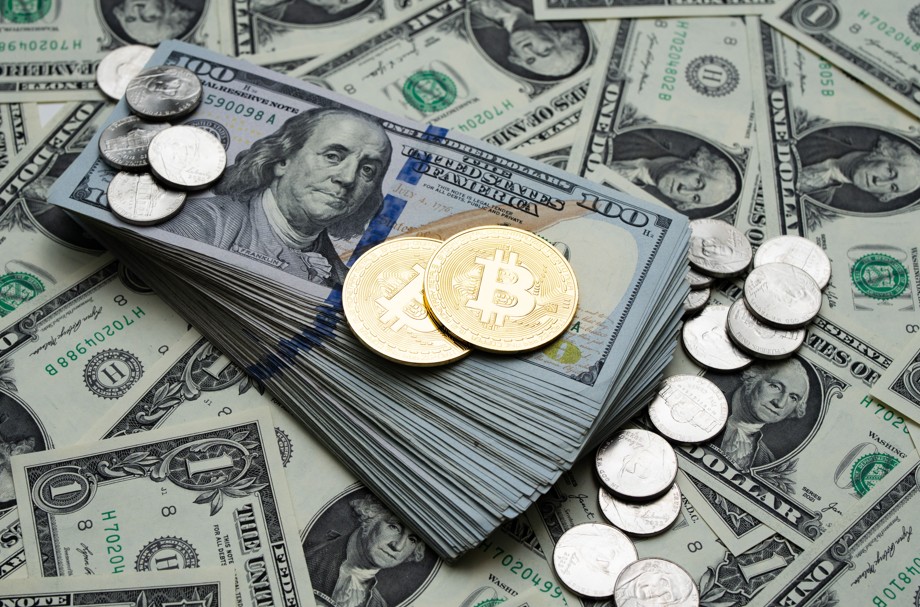
Blockchain technology, stablecoins, and digital currencies facilitate non-dollar transactions and reduce reliance on traditional financial infrastructure.
d. Strategic Financial Planning
Central banks and corporations hedge against potential dollar instability by holding diversified assets, including gold, other currencies, and crypto-based instruments.
4. Key Examples of Dedollarization
a. Russia and China
Both countries have actively reduced dollar exposure in trade and reserves:
-
Russia has increased holdings of euros, yuan, and gold.
-
China promotes the yuan in international trade, including bilateral agreements and Belt and Road Initiative projects.
These actions aim to protect against sanctions and reduce geopolitical dependence on the U.S.
b. European Union
The euro is promoted as an alternative for global settlements, particularly in energy trade and cross-border finance.
c. Emerging Market Strategies
Countries like India, Brazil, and South Africa are exploring bilateral trade in local currencies or diversified digital payment networks, bypassing the dollar for certain transactions.
5. Cryptocurrencies and Digital Assets as Catalysts
The rise of cryptocurrencies and CBDCs (Central Bank Digital Currencies) accelerates dedollarization:
a. Cryptocurrencies
-
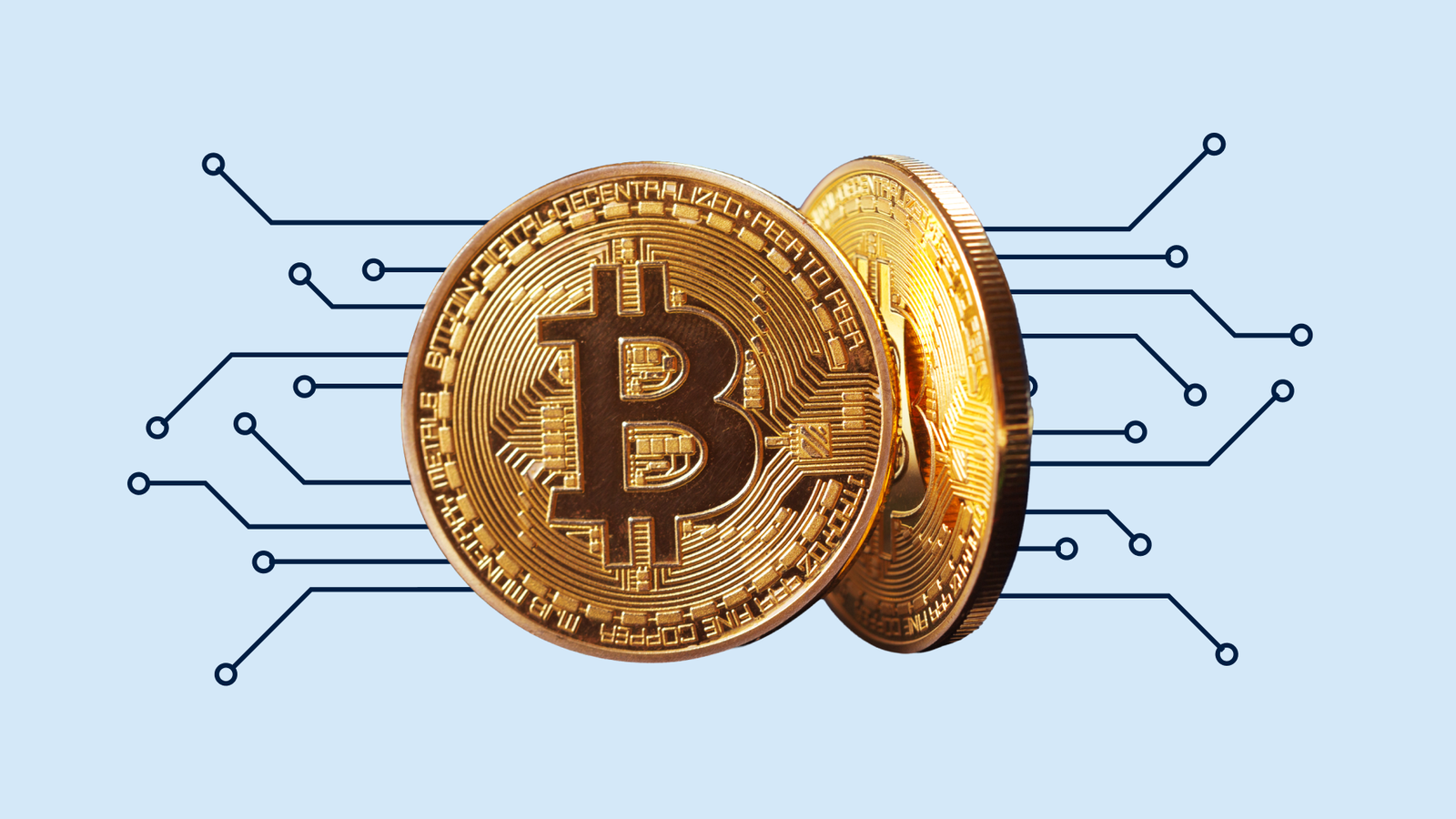
Bitcoin and other decentralized assets offer borderless, censorship-resistant financial tools.
-
Corporations and individuals increasingly use crypto to conduct international transactions, bypassing dollar systems.
b. Stablecoins
-
Pegged to fiat currencies, stablecoins provide fast, low-cost cross-border settlement options.
-
They can reduce the dependency on traditional USD banking infrastructure while still offering stability.
c. Central Bank Digital Currencies (CBDCs)
-
China’s digital yuan facilitates cross-border payments without involving the U.S. dollar.
-
The European Central Bank and other institutions are exploring digital euros to streamline international trade and reduce dollar reliance.
Digital currencies can challenge the dollar’s dominance by offering alternatives for settlements, reserves, and investment.
6. Economic and Geopolitical Implications
Dedollarization has far-reaching consequences:
a. Reduced U.S. Monetary Influence
-
Lower reliance on the dollar limits the effectiveness of U.S. sanctions and monetary policy as a tool of geopolitical influence.
b. Financial Market Volatility
-
Reduced global demand for the dollar could lead to volatility in currency markets, Treasury yields, and global liquidity.
c. Rise of Alternative Economic Blocs
-
Countries adopting other currencies or digital solutions may increase regional financial autonomy, creating multipolar currency systems.
d. Challenges to Dollar-Linked Trade
-
Trade invoicing and commodity pricing could shift gradually to euros, yuan, or digital currencies, decreasing transaction volumes in USD.
7. Challenges to Dedollarization
Despite momentum, several obstacles limit dedollarization:
a. Network Effect of the Dollar
-
The dollar is widely accepted in global finance, trade, and reserves, creating a self-reinforcing adoption cycle.
b. Market Liquidity and Depth
-
U.S. financial markets are deeper and more liquid than most alternatives, offering unmatched reliability for investors and central banks.
c. Trust and Stability
-
The U.S. dollar is considered politically and economically stable, making it a preferred safe-haven currency.
d. Global Institutional Framework
-
International contracts, debt markets, and legal systems are heavily dollarized, and transitioning away would be costly and complex.
8. Potential Future Scenarios
a. Gradual Dedollarization
-
The dollar remains dominant, but its share in trade and reserves gradually declines.
-
Countries diversify into euros, yuan, gold, and digital assets to reduce risk.
b. Multipolar Currency System
-
No single currency dominates; the dollar coexists with the euro, yuan, and digital currencies in global finance.
-
Financial and geopolitical influence becomes more distributed.
c. Digital Disruption
-
Cryptocurrencies and CBDCs could facilitate non-dollar trade networks.
-
Dollar use may decline in cross-border settlements without fully losing reserve currency status.
9. Strategic Implications for the U.S.
To maintain dollar dominance, the U.S. may need to:
-
Strengthen fiscal and monetary policy credibility.
-
Modernize financial infrastructure, including potential digital dollar solutions.
-
Promote confidence in U.S. legal and regulatory systems.
-
Engage in multilateral diplomacy to manage the shift toward alternative currencies.
Failure to adapt could accelerate dedollarization and reduce global leverage.
10. Conclusion
The U.S. dollar faces both internal and external challenges as dedollarization gains momentum. Rising debt, inflation concerns, and geopolitical tensions encourage countries and corporations to diversify reserves, explore alternative currencies, and adopt digital assets. Cryptocurrencies, stablecoins, and CBDCs further accelerate this trend, offering innovative solutions that bypass the traditional dollar-based system.
While the dollar remains structurally dominant due to liquidity, trust, and network effects, the global financial landscape is gradually evolving. The most likely outcome is a multipolar currency system, where the dollar coexists with other fiat currencies and digital alternatives. Dedollarization represents not an immediate collapse but a gradual redistribution of global financial power—a threat that comes from within the global system itself.
In the coming decades, the U.S. must adapt to maintain influence, or the greenback’s dominance will steadily diminish as nations and markets pursue alternatives.
Read Also: Keep your face towards the sunshine and shadows will fall behind you
Watch Also: https://www.youtube.com/@TravelsofTheWorld24








Leave a Reply