
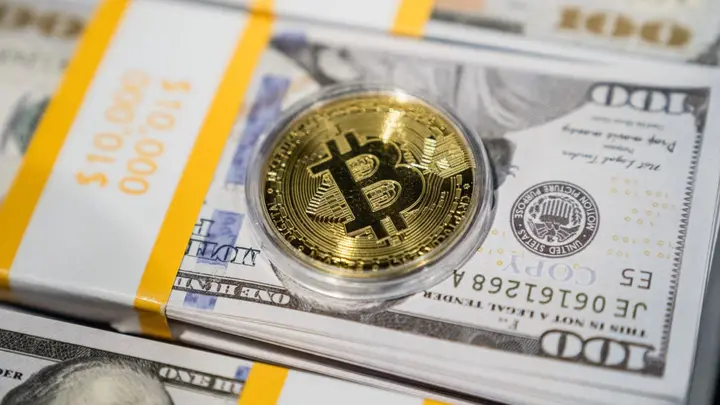
On key election days, financial markets often experience heightened volatility as traders try to price in the economic and policy implications of political outcomes. In recent years, cryptocurrencies—especially Bitcoin and other major digital assets—have shown themselves to be highly sensitive to political developments, including U.S. presidential elections. When Election Day arrives, crypto markets frequently react strongly, with prices rising or falling sharply as investors anticipate which policies future leaders might pursue.
A notable example of this occurred when major cryptocurrencies saw price increases on Election Day as investors awaited results and speculated on future regulation and support for digital assets. In this article, we explore why crypto prices rise during elections, the mechanisms behind such movements, the role of investor sentiment, historical patterns, the implications for long‑term investors, and what future U.S. elections might mean for digital assets.
1. Election Day Crypto Movements: What Happened?
On Election Day, trading patterns can shift rapidly as markets digest early voting data, betting odds, and policy expectations. In one documented case, Bitcoin was up more than 2.3% in afternoon trading and had briefly surpassed significant price levels such as $70,000, reflecting strong speculative activity before results were known.
Similarly, cryptocurrency interest often spikes when political betting markets or prediction markets assign higher chances of victory to candidates perceived as more favorable to digital assets. Historical snapshots show early positive responses in Bitcoin prices as election data flowed in, amplifying trading volumes and price volatility.
2. Why Elections Affect Crypto Prices
There are several major drivers behind why crypto markets tend to move on election days:
A. Policy Expectations and Regulatory Outlook
Cryptocurrencies sit at the intersection of technology, finance, and regulation. Policies around taxation, securities classifications, decentralized finance (DeFi), anti‑money‑laundering laws, and digital asset oversight can materially affect crypto markets.
Historically, coins like Bitcoin and Ethereum have rallied when investors believe the outcome will favor lighter regulation or clearer legal frameworks. Conversely, expectations of heavy restrictions or aggressive enforcement can dampen prices.
Political leadership that signals openness to digital assets—through appointments, taxation decisions, or regulatory frameworks—can increase investor optimism and push prices upward.
B. Uncertainty and Safe‑Haven Event Risk
Elections are by nature uncertain events. Markets hate uncertainty, and asset prices often move before outcomes are known.
Cryptocurrencies sometimes benefit from this uncertainty because some traders view them as alternative assets uncorrelated to traditional financial markets. In times of unclear results or delayed counting, investors may rotate into crypto in addition to or instead of gold and other hedges.
C. Retail and Algorithmic Trading
Retail investors and algorithmic trading systems frequently react to real‑time election polling, prediction market odds, and sentiment indicators. Algorithms calibrated to capture volatility around political events can lead to increased trading volume and larger price swings as markets try to price in incomplete information.
3. A Historical Perspective: Elections and Crypto
By analyzing past U.S. elections, we can observe how crypto markets responded:
A. 2016 & 2020 Elections
According to long‑term price data, Bitcoin and Ethereum historically entered sustained bull runs following U.S. elections. For example:
-
After the 2016 election, Bitcoin—which hovered around mid‑hundreds in price—surged over subsequent months as institutional interest and retail adoption broadened.
-
Similarly, post‑2020, major cryptocurrencies entered strong bullish cycles, with both price gains and increases in trading interest.
While these movements cannot be attributed solely to elections, the political events contributed to heightened attention and macro positioning that supported digital asset growth.
4. Who Benefits From Election‑Day Rallies?
A. Short‑Term Traders
Day traders and short‑term speculators often benefit most from election day volatility. They profit from rapid price swings linked to raw sentiment and order‑flow imbalances before outcomes are fully priced in.
B. Retail Investors
Retail participation tends to spike around high‑profile events. When prices rise on election day, new retail investors may enter the market, amplifying short‑term momentum.
C. Institutional Players
Institutions increasingly engage around political events. They use derivatives, options strategies, and hedges to capture or protect against expected movements, often adding liquidity—and volatility—to markets.
5. Broader Market Context During Elections
While election day price movements grab headlines, they are part of larger market dynamics that include macroeconomic conditions, monetary policy, and regulatory signals.
For instance, broader volatility in digital assets has recently been influenced by global risk sentiment and economic data unrelated to elections. As of early 2026, Bitcoin and Ethereum prices slid amid geopolitical risk and market repositioning.
This highlights that crypto markets do not move on elections alone—instead, elections are one of several catalysts within broader systemic influences.
6. Election Outcomes and Long‑Term Effects
A candidate’s stance on cryptocurrency policy can affect markets beyond just election night:
A. Regulation and Legal Clarity
Markets tend to reward clarity. Clear regulatory frameworks—especially around stablecoins, decentralized finance, and securities law—reduce uncertainty and encourage institutional participation.
In some election cycles, expectations that certain candidates or administrations would favor more crypto‑friendly policies led to market rallies that persisted beyond the election.
B. Fiscal and Monetary Policy Impacts
Election results can influence broader fiscal policy that indirectly affects crypto markets, including tax reforms, infrastructure spending, and central bank leadership appointments. These factors shape investor risk appetite and liquidity conditions.
C. Institutional Adoption
Election outcomes that signal a pro‑innovation stance may accelerate institutional interest in digital assets, fundraising for crypto infrastructure, and legitimization through products like Bitcoin ETFs.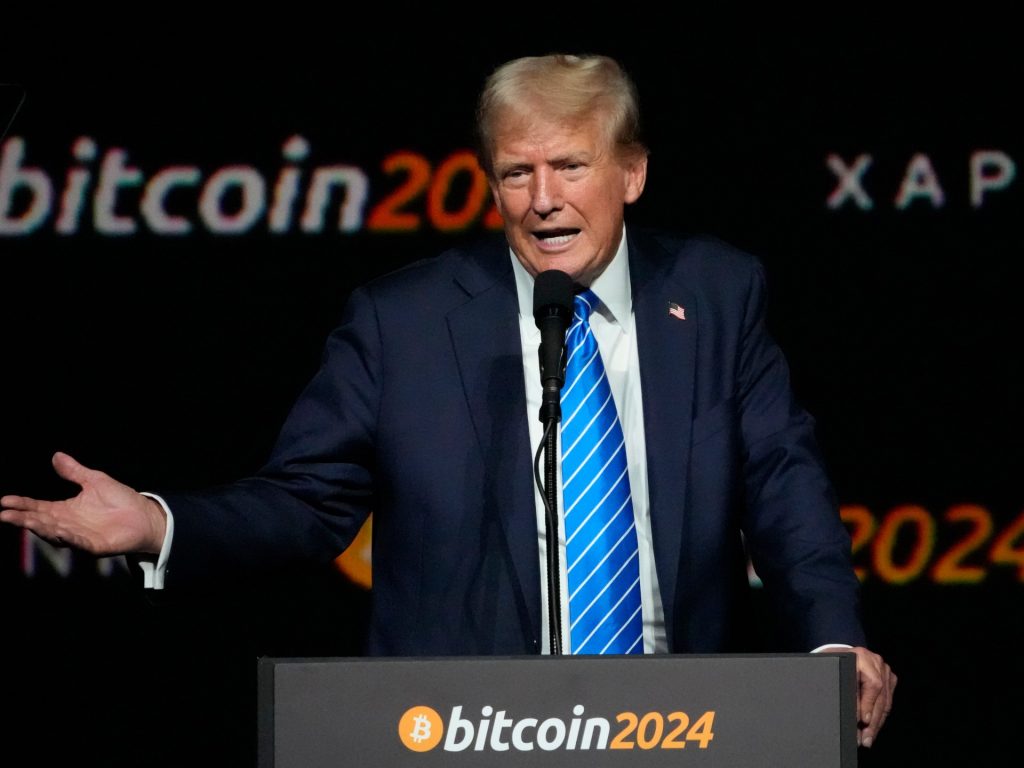
7. Risks of Election‑Driven Crypto Investing
Although crypto prices often rise around elections, there are risks associated with trading based on political speculation:
A. Volatility Can Cut Both Ways
While prices sometimes climb in anticipation of favorable outcomes, they can crash just as fast if expectations fail or results diverge from forecasts.
B. Post‑Election Reversals
Initial election‑day rallies may reverse after results are confirmed and markets reassess fundamentals. Speculative spikes are not always followed by long‑term gains.
8. What This Means for Investors
For both short‑term traders and long‑term investors, understanding the election impact is key:
-
Short‑term traders benefit from volatility but need strict risk management due to unpredictable outcomes.
-
Long‑term holders should focus on fundamentals—adoption, regulation, technology developments—rather than election noise alone.
-
Diversification remains critical, as crypto is only one component of broader investment portfolios.
9. Looking Ahead: Future Elections and Crypto
As political events continue to intersect with financial markets, crypto investors should monitor:
-
Policy positions of major candidates related to taxation, regulation, and innovation.
-
Prediction markets and election odds, which can serve as proxy sentiment indicators for crypto pricing.
-
Macro risk events, such as central bank policy changes, which can overshadow election effects.
Election cycles will continue to create spikes in attention and liquidity, but markets increasingly view political events as one of many moving parts in the complex environment of crypto investing.
Conclusion
Election days have proven to be significant catalysts for cryptocurrency markets, particularly when outcomes could influence regulatory frameworks or broader economic policy. On such days, major coins like Bitcoin and Ethereum often experience price rallies as traders and investors position themselves ahead of uncertainty and potential shifts in policy direction.
Yet, understanding these movements requires context—elections interact with macroeconomic conditions, monetary policy, and investor sentiment. While crypto price gains on election days generate headlines, long‑term market dynamics still hinge on adoption, regulatory clarity, and global financial trends. Investors who learn to interpret both the short‑term signals and long‑term fundamentals will be best positioned to navigate the volatility that comes with every political cycle.
Read Also: Keep your face towards the sunshine and shadows will fall behind you
Watch Also: https://www.youtube.com/@TravelsofTheWorld24











Leave a Reply