
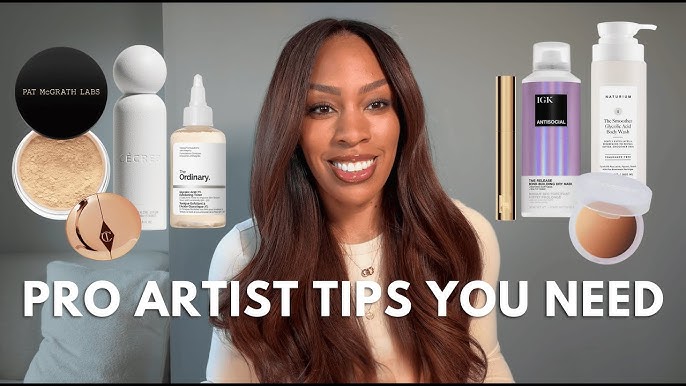
Beauty products are an everyday part of modern life. From cleansers and moisturizers to makeup, serums, and shampoos, many of us use multiple beauty products daily without giving much thought to what’s inside them or how they really work. Advertising promises flawless skin, shiny hair, anti-aging miracles, and instant confidence—but how much of it is true?
The truth about your favorite beauty products lies somewhere between science, marketing, and personal experience. While many products are genuinely effective, others rely heavily on clever branding, exaggerated claims, and consumer misconceptions. Understanding what beauty products actually do—and what they don’t—can help you make smarter, healthier choices.
This article explores the real truth behind beauty products, their ingredients, marketing tactics, effectiveness, and what consumers should truly look for.
The Beauty Industry: A Billion-Dollar Business
The global beauty and personal care industry is worth hundreds of billions of dollars and continues to grow every year. Skincare, cosmetics, haircare, and fragrances dominate store shelves and social media feeds alike.
Why is the industry so powerful?
-
Emotional marketing connects beauty with confidence and success
-
Influencer culture drives trends rapidly
-
Products are relatively affordable luxuries
-
Fear of aging and skin issues fuels demand
While innovation exists, profit is often the primary driver, which means not every product is as revolutionary as it claims to be.
The Myth of “Instant Results”
One of the biggest misconceptions in beauty is the promise of instant transformation. Many products advertise:
-
Wrinkle removal in days
-
Clear skin overnight
-
Permanent damage repair
The Truth
Most skincare and haircare products require consistent use over weeks or months to show visible results. Skin cells typically regenerate every 28–40 days, meaning changes take time.
Products that appear to work instantly often do so by:
-
Temporarily tightening the skin
-
Adding moisture or shine
-
Using light-reflecting particles
These effects are short-lived and not permanent improvements.
Understanding Ingredients: More Isn’t Always Better
Many consumers assume that a long ingredient list means a better product. In reality, simplicity often works best.
Active Ingredients vs. Fillers
-
Active ingredients (like retinol, niacinamide, salicylic acid) provide real benefits
-
Fillers and fragrances improve texture, scent, and shelf life
A product with fewer but well-formulated active ingredients can outperform expensive luxury items packed with unnecessary additives.
Natural vs. Chemical: The Big Misunderstanding
One of the most widespread myths in beauty is that “natural” products are always safer and better.
The Truth
-
Everything is a chemical—including water
-
Natural ingredients can still cause irritation or allergies
-
Synthetic ingredients are often more stable and tested
The key factor isn’t whether something is natural or synthetic—it’s whether it is safe, well-formulated, and suitable for your skin type.
Are Expensive Beauty Products Really Better?
Price is often mistaken for quality in the beauty world.
What You’re Really Paying For
-
Branding and packaging
-
Celebrity endorsements
-
Advertising campaigns
-
Luxury experience
In many cases, drugstore products and high-end products share similar active ingredients in similar concentrations. The difference is often marketing, not performance.
That said, some premium products do invest heavily in research and formulation—but higher price does not automatically guarantee better results.
Anti-Aging Claims: What Actually Works?
Anti-aging is one of the most profitable segments of the beauty industry. Creams, serums, and treatments promise to erase years from your appearance.
Ingredients with Real Evidence
-
Retinoids: Improve texture and reduce fine lines
-
Sunscreen: Prevents premature aging better than any cream
-
Vitamin C: Brightens skin and boosts collagen
-
Peptides: Support skin structure
Ingredients with Overhyped Claims
-
Gold particles
-
Exotic plant extracts with no clinical studies
-
“Stem cell” creams (often misleading terminology)
No topical product can stop aging entirely. The best anti-aging strategy combines skincare, sun protection, healthy lifestyle habits, and realistic expectations.
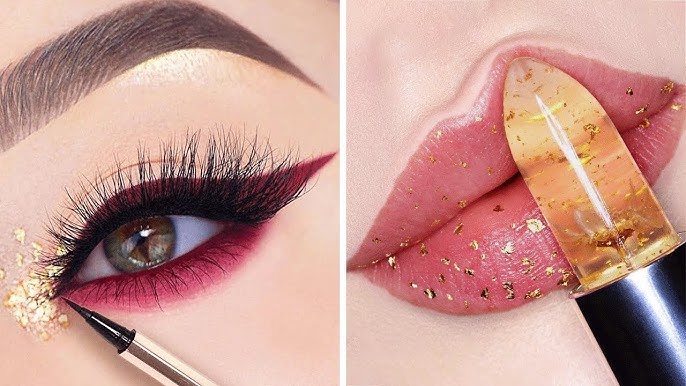
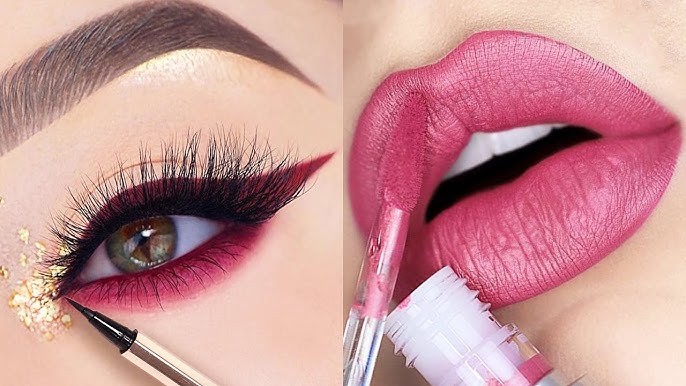
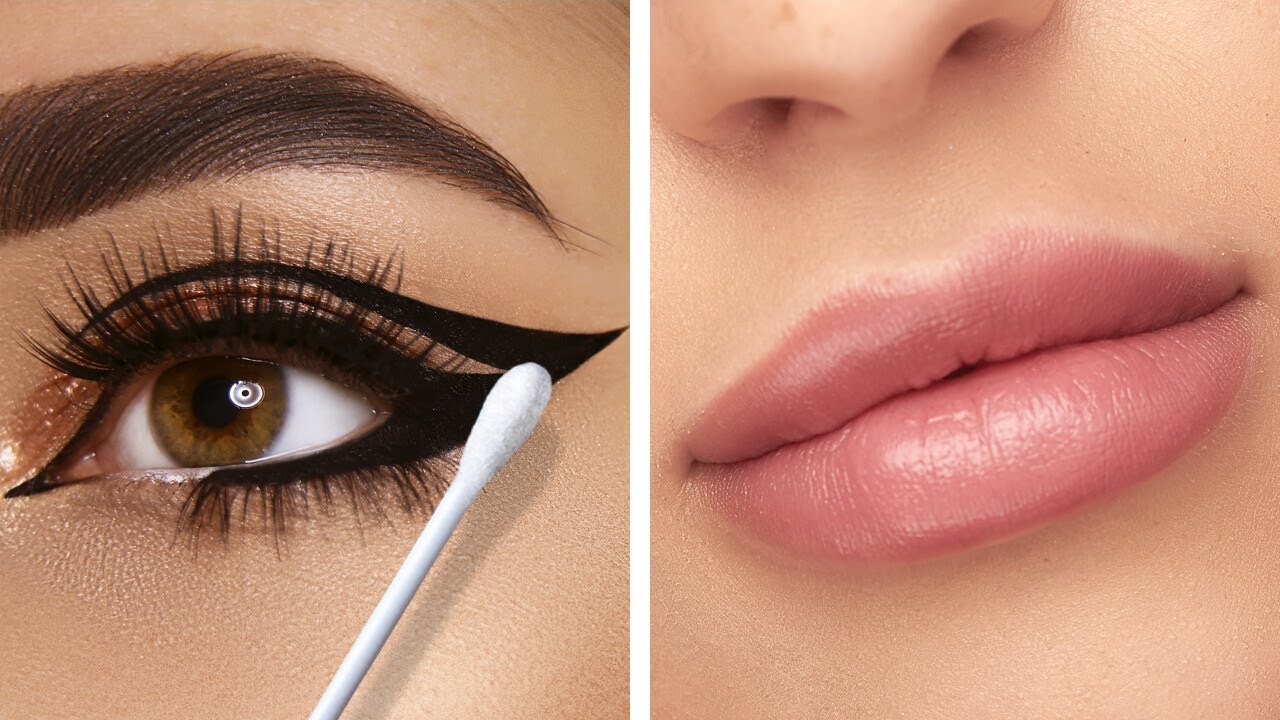
Makeup: Enhancing, Not Hiding Reality
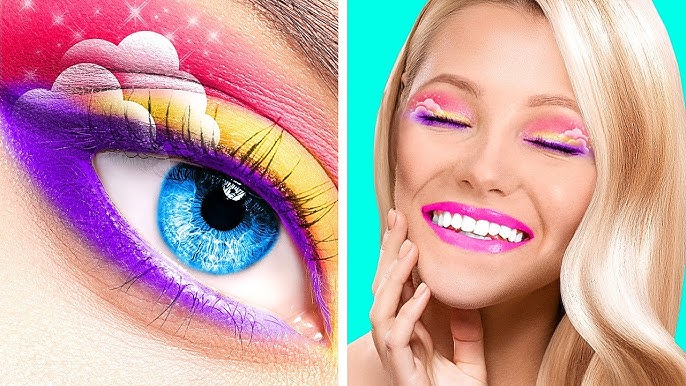
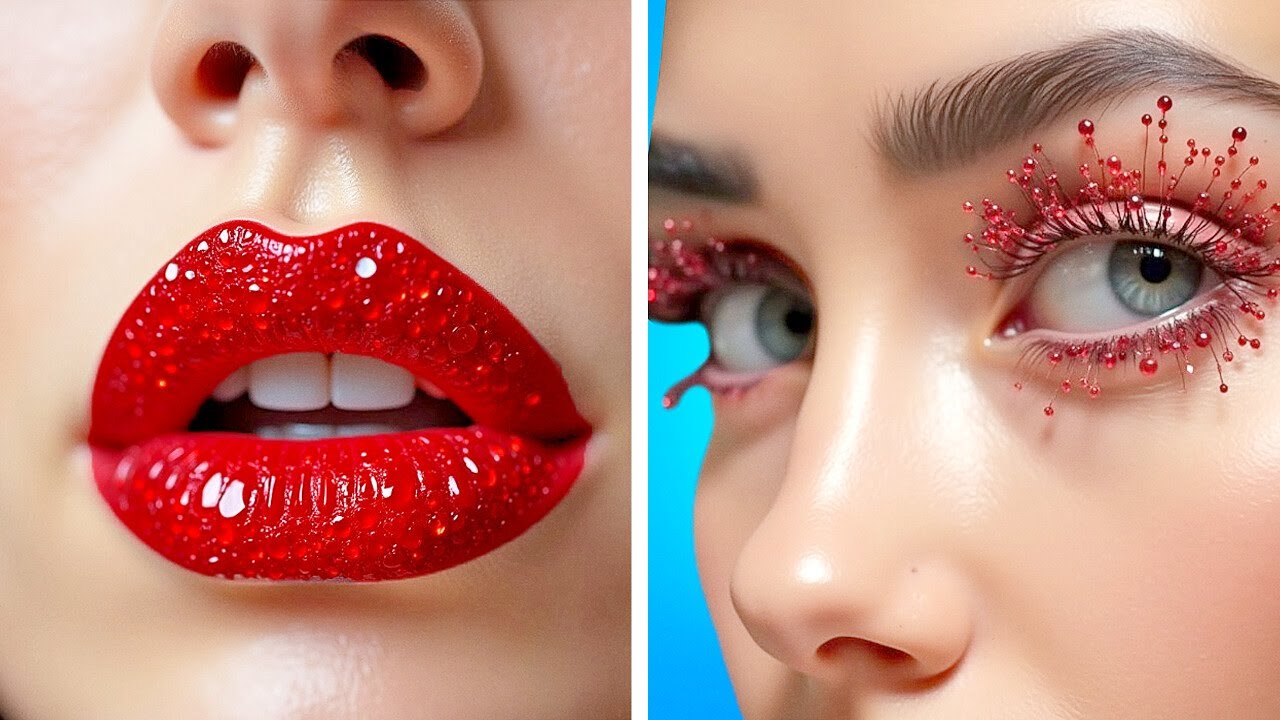
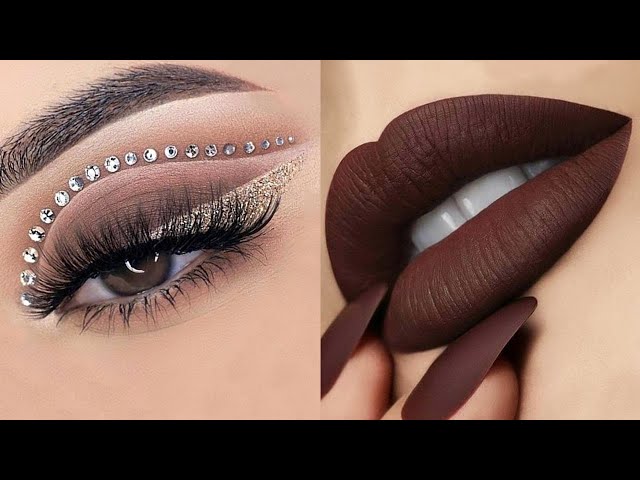
Makeup has incredible transformative power, but it doesn’t change skin health.
The Truth About Makeup
-
It enhances appearance temporarily
-
It can boost confidence
-
It does not improve skin condition on its own
Poor-quality or improperly removed makeup can clog pores, cause breakouts, and irritate the skin. However, well-formulated makeup used responsibly is generally safe for daily use.
Haircare Products: Repair or Illusion?
Shampoos, conditioners, masks, and oils claim to repair damaged hair and restore strength.
The Reality
Hair is dead protein, meaning it cannot truly heal itself. Most haircare products:
-
Smooth the hair cuticle
-
Reduce friction and breakage
-
Improve shine and manageability
They do not permanently repair damage but can protect hair from further harm. The best solution for severely damaged hair is trimming and prevention.
“Dermatologist Tested” and Other Labels
Many beauty products carry reassuring labels that sound scientific and trustworthy.
Common Labels Explained
-
Dermatologist tested: Tested on skin, but not necessarily approved
-
Hypoallergenic: Less likely to cause reactions, not guaranteed
-
Clinically proven: Often vague and loosely regulated
-
Non-comedogenic: Designed not to clog pores, but results vary
These labels are often marketing tools rather than strict certifications.
Influencers and Beauty Trends
Social media plays a massive role in shaping beauty standards and product popularity.
The Hidden Truth
-
Influencers are often paid or sponsored
-
Results may be edited or filtered
-
Products are tested short-term
Trends like excessive exfoliation, DIY skincare, or extreme routines can actually harm skin. Not every viral product is suitable—or safe—for everyone.
Skin Type Matters More Than Brand
One of the biggest mistakes consumers make is buying products based on popularity rather than skin type.
Common Skin Types
-
Oily
-
Dry
-
Combination
-
Sensitive
-
Acne-prone
A product that works wonders for one person may cause breakouts or irritation for another. Personalized skincare always beats trend-driven choices.
Hidden Irritants in Everyday Products
Some commonly used ingredients can cause long-term irritation, especially for sensitive skin.
Potential Irritants
-
Artificial fragrances
-
Alcohol in high concentrations
-
Harsh sulfates
-
Strong essential oils
This doesn’t mean these ingredients are always bad—but frequent exposure can weaken the skin barrier over time.
Sustainability and Ethical Beauty: What’s Real?
Eco-friendly and cruelty-free claims are becoming more common.
The Truth
-
“Cruelty-free” doesn’t always mean vegan
-
Sustainable packaging varies widely
-
Greenwashing is common
Consumers should research brands rather than relying solely on labels.
How to Choose Better Beauty Products
Making smarter choices doesn’t require expert knowledge—just awareness.
Practical Tips
-
Read ingredient lists, not just claims
-
Focus on proven actives
-
Patch-test new products
-
Keep routines simple
-
Be patient with results
Consistency matters far more than constantly switching products.
The Psychological Side of Beauty Products
Beauty products don’t just affect appearance—they influence self-esteem and identity.
While self-care can be empowering, unrealistic expectations can lead to dissatisfaction. True confidence comes from balance, not perfection.
Final Thoughts: The Real Truth
The truth about your favorite beauty products is not that they are useless—but that they are often misunderstood. Many products work well when used correctly and consistently, while others rely heavily on marketing rather than science.
Beauty products can enhance, protect, and support your appearance—but they are not magic. Understanding ingredients, managing expectations, and choosing products based on your personal needs is the key to getting real value from your beauty routine.
Read Also: Keep your face towards the sunshine and shadows will fall behind you
Watch Also: https://www.youtube.com/@TravelsofTheWorld24





Leave a Reply