
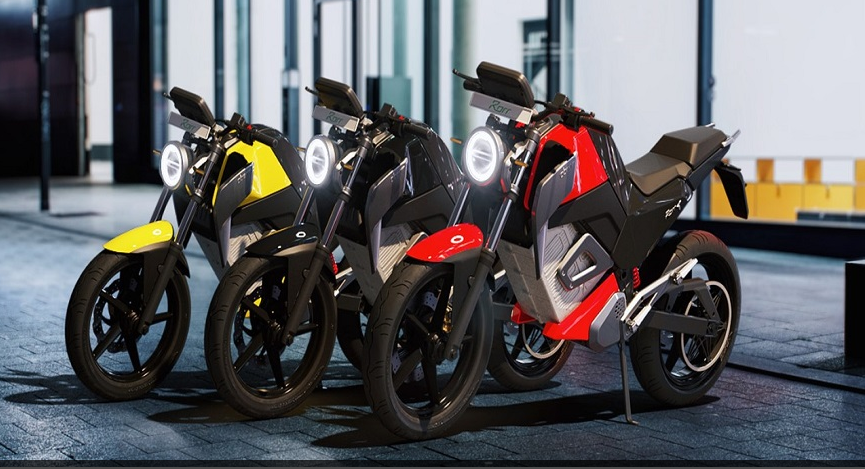
Electric vehicles have been one of the most talked‑about innovations of the past decade. They promise reduced pollution, lower running costs, and a shift away from fossil fuel dependence. While electric cars have gained increasing attention globally, another segment of electric transportation — electric motorcycles and scooters (e‑bikes) — is also expected to play a crucial role in sustainable mobility, particularly in developing countries where two‑wheelers dominate road traffic. However, despite their clear environmental advantages and rapid technological improvements, the rollout of e‑bikes has been slow. Meanwhile, 2.6 million new fuel‑based motorbikes continue to enter the market every year, a trend that threatens to lock in high emissions and undermine progress toward cleaner urban transport.
This article examines why the adoption of e‑bikes is lagging despite strong potential, the barriers that slow their growth, and what can be done to accelerate the transition.
1. The Global Two‑Wheeler Market: A Quick Overview
Two‑wheelers — which include motorcycles, scooters, and mopeds — are the primary mode of transport for millions of people worldwide. They are especially common in Asia, Africa, and parts of Latin America, where they offer a relatively cheap and efficient way to travel through crowded urban centers.
Globally, millions of new fuel‑based motorbikes are sold every year, and according to industry data, approximately 2.6 million new internal combustion engine (ICE) motorcycles enter the market annually. These vehicles consume gasoline or diesel, emit greenhouse gases, contribute to air pollution, and are often less efficient and more expensive to operate in the long term compared to electric alternatives.
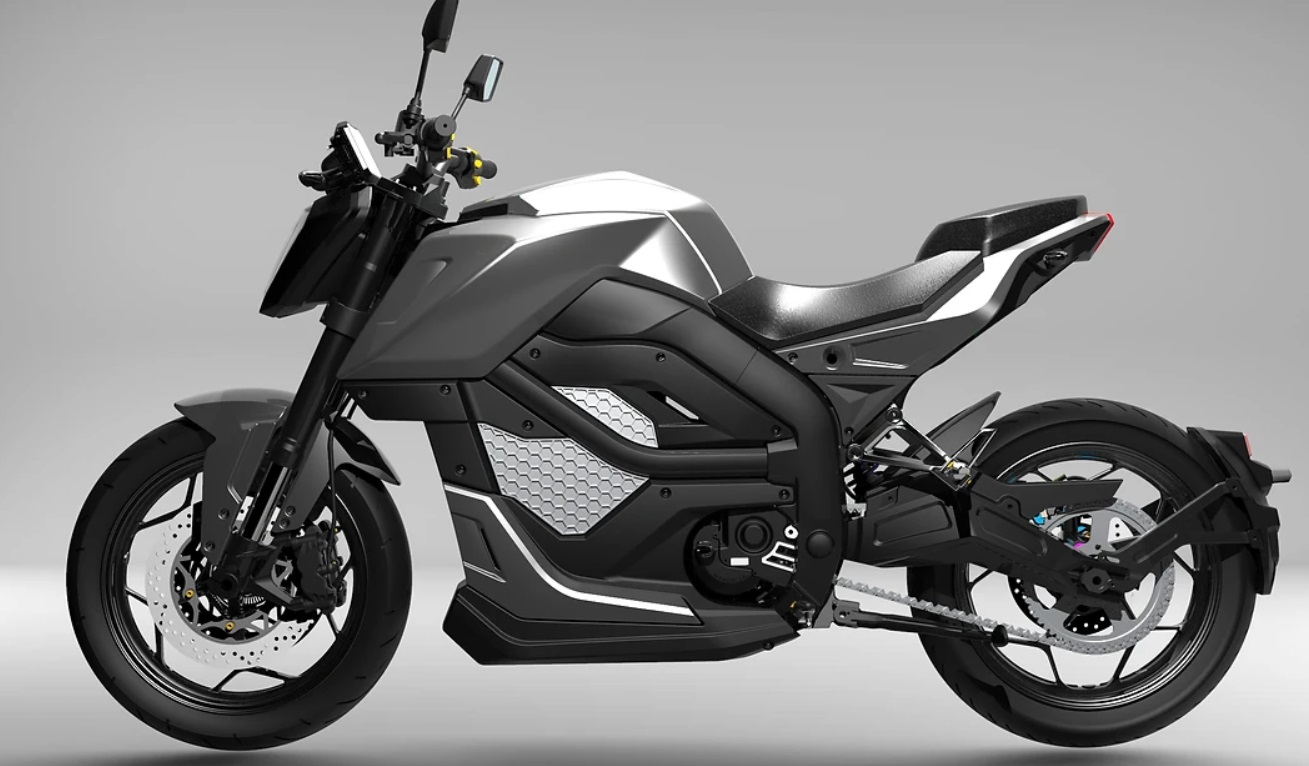
In contrast, e‑bikes — which run on rechargeable batteries and electric motors — emit zero tailpipe emissions, have fewer moving parts, require less maintenance, and cost significantly less to operate per kilometer. Despite this, the pace at which they are replacing conventional motorbikes has been sluggish.
2. Why E‑Bikes Matter
Before exploring the reasons behind the slow rollout, it’s important to understand why e‑bikes are significant:
Environmental Benefits
E‑bikes produce no direct emissions, which means they don’t release carbon dioxide (CO₂), nitrogen oxides (NOx), or particulate matter that contributes to smog and respiratory problems. In cities struggling with air quality, e‑bikes can make a measurable difference.
Economic Savings
Electric motorbikes are more efficient than fuel‑based ones. The cost per kilometer for electricity is typically lower than for petrol or diesel. Over time, riders save money on fuel and mechanical maintenance.
Energy Security
Reducing dependence on imported fossil fuels helps countries improve energy security, manage foreign exchange, and shield consumers from volatile global oil prices.
Urban Mobility
E‑bikes are quieter and smoother to operate, making them suitable for urban environments where noise and congestion are critical issues. They can also be integrated with shared mobility systems and renewable energy sources.
3. Barriers to E‑Bike Adoption
Despite these advantages, e‑bike adoption has not accelerated as quickly as expected. Several interrelated factors contribute to this slow rollout:
A. High Purchase Price
The upfront cost of an e‑bike is still higher than that of a comparable fuel‑based motorcycle in many markets. While lifetime operating costs may be lower, the initial outlay can be prohibitively expensive for many buyers, particularly in low‑ and middle‑income countries.
For example, an everyday commuter may have to pay significantly more for an e‑bike than a traditional 110cc petrol scooter — even if the long‑term cost savings are substantial. Without affordable financing options or subsidies, many potential buyers postpone or abandon the idea.
B. Limited Charging Infrastructure
Charging infrastructure plays a critical role in determining how convenient e‑bike ownership is. In countries with distributed public charging stations, battery swapping networks, or easy access to home charging, e‑bike adoption tends to be higher.
However, in many regions, especially densely populated urban slums or rural areas, charging infrastructure is almost nonexistent. People who cannot reliably charge their vehicles may prefer conventional motorbikes that can be refueled quickly at any fuel station.
C. Battery Issues
Battery performance remains a concern for many potential buyers. Lithium‑ion batteries — which power most modern e‑bikes — degrade over time, lose capacity, and can be costly to replace. Extreme weather conditions can also reduce battery efficiency and range.
Range anxiety — the fear that a vehicle will run out of power before reaching its destination — is a real psychological barrier for consumers accustomed to the quick refueling of petrol stations.
D. Perceptions and Awareness
Awareness of e‑bikes and their benefits is uneven across markets. In some areas, there’s a lack of reliable information, leading to skepticism about performance, reliability, and total cost of ownership. Cultural perceptions around status and technology also influence consumer preferences.
In many countries, conventional motorbikes have been part of the social fabric for decades. The shift to electric alternatives requires not just infrastructure but a change in mindset.
E. Policy and Regulation
Government policies can either accelerate or slow electric mobility. Some countries have introduced ambitious targets and incentives for EV adoption, such as tax breaks, import duty reductions on electric vehicles, subsidies for purchases, and investments in charging infrastructure.
But in many markets where 2.6 million fuel bikes are sold yearly, policymakers have been slow to implement strong supportive measures. A lack of coherent policy frameworks, inconsistent incentives, and inadequate enforcement of emission regulations all hinder the growth of e‑bikes.
4. The Stakes: Environment, Public Health, and Economics
The continued dominance of fuel‑based motorbikes has several implications:
Climate Change and Emissions
Carbon dioxide emissions from transportation are a major contributor to global warming. Motorbikes, though smaller and less polluting per vehicle than cars, contribute significantly to aggregate emissions due to their sheer numbers — especially in countries with high motorcycle ownership.
If 2.6 million new fuel‑based motorcycles enter the roads every year, the cumulative environmental impact is substantial. This delays progress toward climate targets and raises the urgency for cleaner alternatives.
Urban Air Quality
Smog and poor air quality in major cities are major public health concerns. Motorbike exhaust contributes to particulate pollution that aggravates asthma, heart disease, and other respiratory illnesses. E‑bikes can play a role in reducing this burden, but only if adoption accelerates.
Economic Cost of Pollution
Pollution impacts health systems and worker productivity, leading to economic losses. Reducing pollution through e‑mobility could alleviate some of these costs and provide broader societal benefits.
5. Success Stories and Positive Trends
Although progress has been slower than many advocates hoped, there are encouraging trends in some markets:
China and Asia
China leads the world in electric two‑wheelers, with tens of millions of electric scooters and bikes already in circulation. Supportive policies, extensive charging infrastructure, and locally manufactured affordable models have driven uptake.
In parts of Southeast Asia, governments are beginning to introduce incentives and pilot programs to promote e‑mobiles.
Europe and Urban Centers
Several European cities are promoting electric mobility through subsidies, low‑emission zones, and investment in charging infrastructure. E‑bikes — particularly high‑performance models — are gaining popularity among urban commuters.
Business Innovation
Battery swapping models, such as those pioneered by several startups, help address charging infrastructure challenges. Instead of waiting to recharge, riders can swap depleted batteries for charged ones at designated stations.
Leasing and financing options targeted at lower‑income riders make e‑bikes more affordable upfront.
6. What Needs to Happen for Faster Adoption
To accelerate e‑bike adoption and reduce the influx of fuel‑based motorcycles, several coordinated actions are necessary:
A. Strong Policy Support and Incentives
Governments can introduce or expand incentives that lower the barrier to entry, such as:
-
Purchase subsidies
-
Tax exemptions or reductions on electric two‑wheelers
-
Reduced import duties for EV components
-
Preferential financing or loan programs
Policies need to be predictable and long‑term so buyers and manufacturers can plan investment decisions with confidence.
B. Investment in Charging and Swapping Infrastructure
Expanding charging networks and incentivizing battery‑swapping stations in urban and rural areas will reduce range anxiety and increase convenience. Partnerships between the public and private sectors can accelerate infrastructure rollout.
C. Consumer Awareness Campaigns
Public education efforts can help consumers better understand the cost benefits and environmental advantages of e‑bikes, as well as how to choose and maintain them.
Industry partnerships, social marketing, and community outreach can dispel myths and build trust in electric technology.
D. Local Manufacturing and Jobs
Encouraging local production of e‑bikes and batteries can drive down prices through economies of scale and create jobs. Supporting local startups and manufacturing clusters can stimulate economic development.
E. Fleet Electrification Programs
Public and private fleets — such as delivery companies, ride‑hailing services, and government vehicles — can lead by example by electrifying their two‑wheeler fleets. This not only reduces emissions but also demonstrates real‑world performance.
7. Looking Ahead: A More Sustainable Two‑Wheeler Market?
The transition from fuel‑based motorcycles to electric two‑wheelers is not simply a technological shift; it is a systemic transformation. It involves changes in infrastructure, policy, manufacturing, consumer mindset, and economic incentives.
If 2.6 million fuel bikes continue to enter the market each year, the environmental and health costs will continue to mount. But an accelerated shift to e‑bikes can bring multiple benefits: cleaner air, lower carbon emissions, reduced dependence on fossil fuels, and new economic opportunities.
Countries and cities that get ahead of this curve — by implementing supportive policies, investing in infrastructure, and fostering innovation — can reap the rewards of a cleaner and smarter mobility future.
The journey will not be without challenges. But with coordinated action and a shared vision for sustainable transportation, the slow rollout of e‑bikes can turn into a rapid transformation that benefits people and the planet.
Read Also: Keep your face towards the sunshine and shadows will fall behind you
Watch Also: https://www.youtube.com/@TravelsofTheWorld24





Leave a Reply