
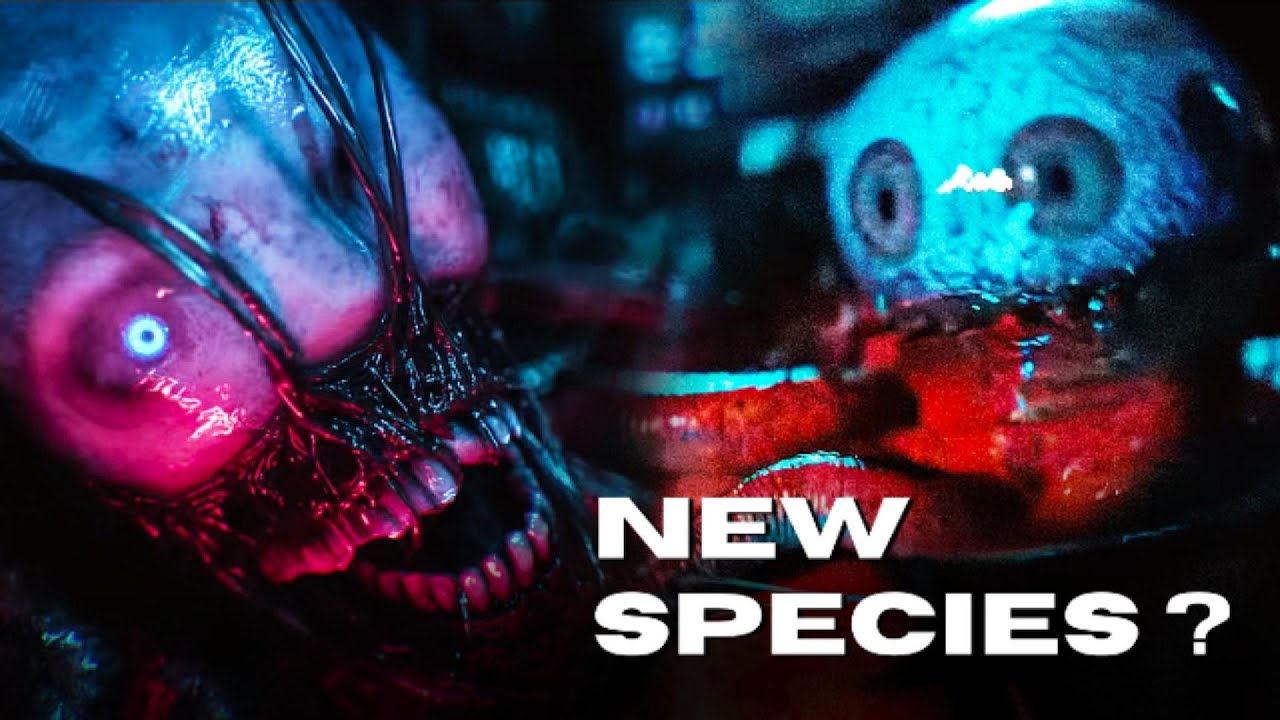
The Alien franchise has long been a masterclass in combining science fiction and horror. From the original 1979 film’s claustrophobic terror to the explosive action of Aliens, and the bioethical nightmares of Prometheus and Alien: Covenant, the series has consistently delivered iconic monsters that haunt audiences’ imaginations. For decades, nothing was more terrifying than the Xenomorph facehugger—the parasitic organism that implanted embryos inside human hosts. But Alien: Earth introduces something entirely new: T-Ocellus, the franchise’s latest and arguably most disturbing nightmare.
Unlike the facehugger or even the adult Xenomorph, T-Ocellus is not about reproduction or brute strength. It is about observation, invasion, and psychological terror. Its defining characteristic—a massive, exposed, biologically active eyeball—makes it one of the most uniquely unsettling creatures in the franchise’s history. In this article, we break down everything you need to know about T-Ocellus: its origins, design, biology, and why it represents a terrifying evolution in the Alien universe.
1. The Evolution of Alien Horror
The Alien franchise has always thrived on innovation. H.R. Giger’s original Xenomorph combined mechanical and organic forms, creating a creature that was both alien and disturbingly familiar. Its life cycle—facehugger, chestburster, adult—was a horrifying biological chain reaction that left audiences shocked and terrified.
Later films introduced variations on this theme: Queens, Runners, Neomorphs, and hybrids. Each iteration explored new aspects of biology, infection, and horror. However, most of these creatures relied on physical terror, aggression, and survival instincts. T-Ocellus represents a shift from physical horror to psychological horror, embodying fear through observation and omnipresence rather than clawed attacks.
2. What is T-Ocellus?
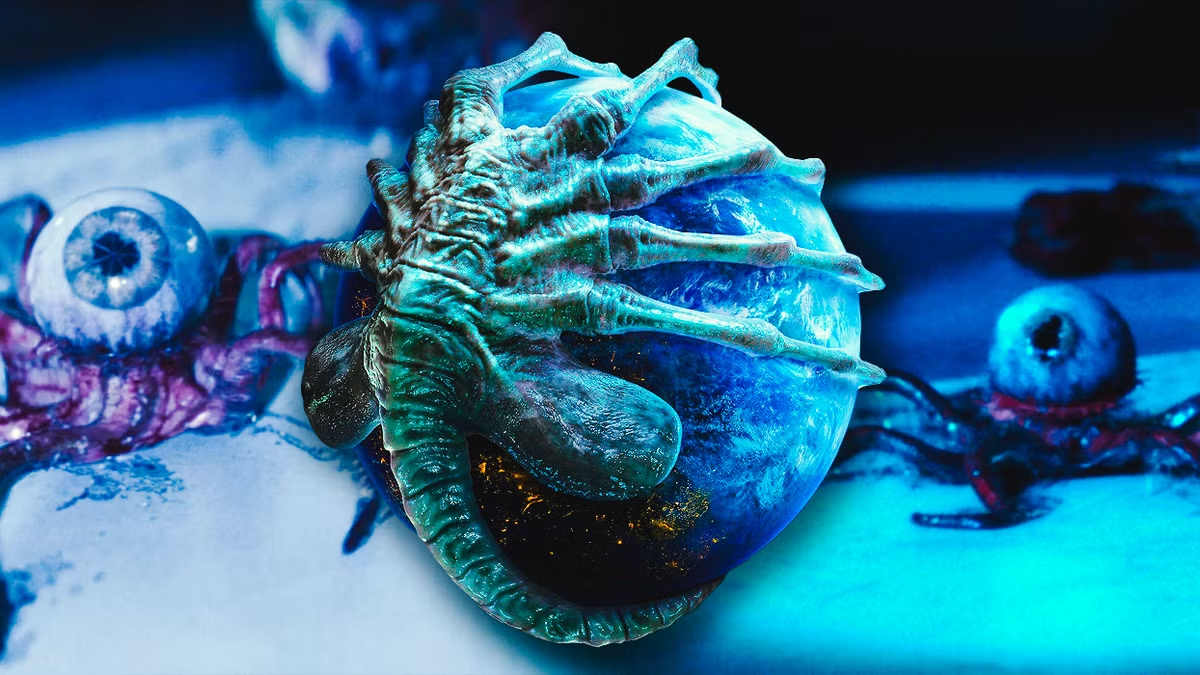
T-Ocellus, nicknamed the Eyeball Monster, is a newly introduced alien organism in Alien: Earth. Unlike traditional Xenomorphs, T-Ocellus’s defining feature is its enormous, exposed eye. This single organ dominates its body and seems to be constantly analyzing its surroundings, tracking movement, and anticipating behavior.
Its anatomy is unlike anything seen before in the franchise:
-
A gigantic, glossy eye capable of independent movement
-
Semi-organic, translucent tissue instead of armored exoskeleton
-
Vein-covered, constantly shifting flesh
-
Limited appendages, emphasizing its sensory dominance
T-Ocellus is less a predator that attacks physically and more an observer and psychological threat, turning the act of being watched into a form of terror.
3. Origins: Human Experimentation Meets Alien Biology
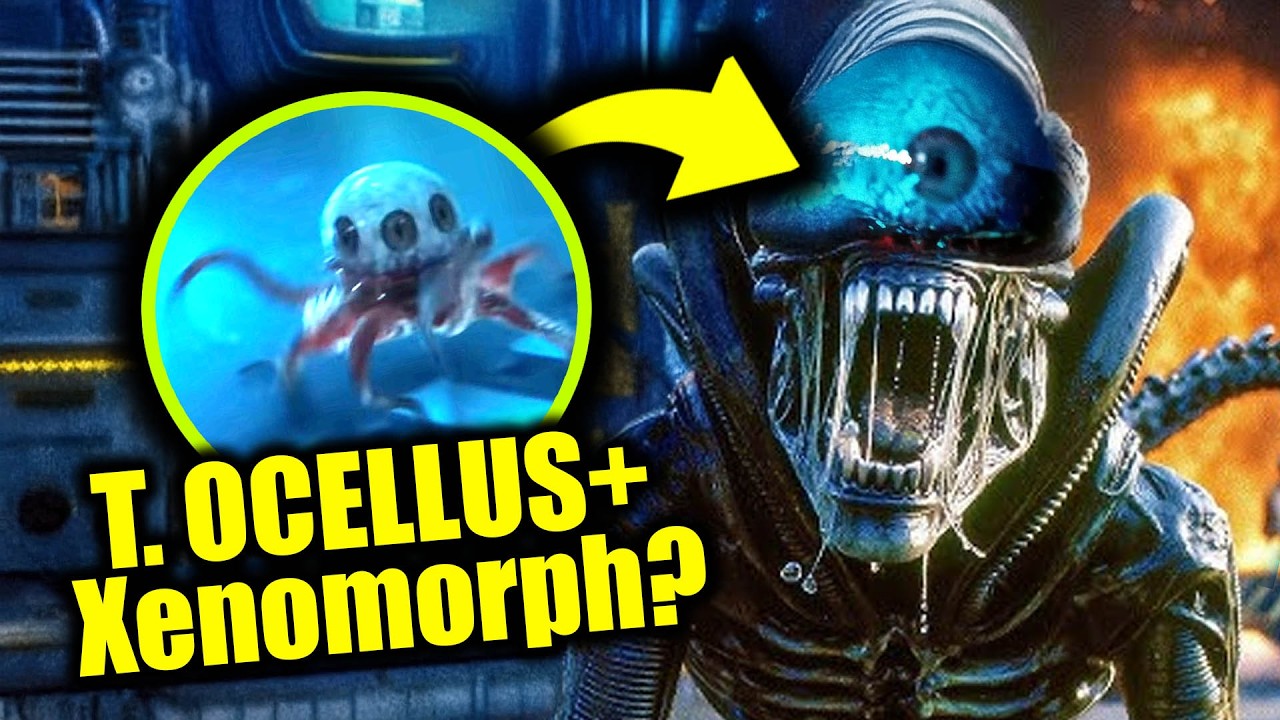
Within Alien: Earth, it is suggested that T-Ocellus is a product of human experimentation. Scientists manipulating alien material—potentially derived from Xenomorph or Engineer DNA—attempted to create a hybrid organism. Rather than a perfect predator, the result was T-Ocellus: a creature optimized for surveillance, study, and adaptation.
This makes it a fundamentally different type of threat: one that doesn’t immediately kill but learns, calculates, and waits. In the context of Earth’s urban and lab-based environments, brute force predators would be easily contained or noticed. T-Ocellus represents a more realistic alien invasion strategy: infiltration, observation, and preparation before attack.
4. Why the Eye is Terrifying
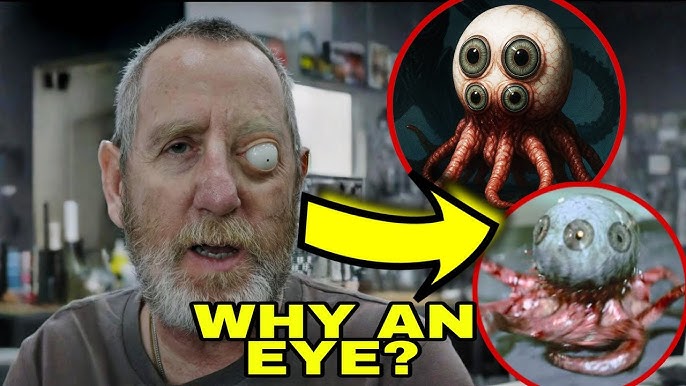
Eyes have a unique psychological impact in horror. They symbolize awareness, judgment, and vulnerability. Seeing an exposed, massive eye triggers primal discomfort, as humans instinctively recognize it as fragile and critical.
T-Ocellus weaponizes this discomfort:
-
The eye moves independently, creating the illusion of awareness beyond normal biology
-
It focuses unnaturally long on targets, suggesting comprehension
-
Its stare is omnipresent, giving the impression that nothing can be hidden
Unlike the Xenomorph, whose horror lies in the unknown and sudden attacks, T-Ocellus’s horror lies in anticipation. You don’t need to be touched or chased—just being seen by it is terrifying.
5. Creature Design: Practical Effects and CGI
Creating T-Ocellus required a careful combination of practical effects and digital augmentation.
Practical Effects:
-
Full-scale animatronics for close-up shots
-
Mechanized eyeball capable of independent rotation
-
Silicone skin with layered translucency to simulate living tissue
-
Subtle mechanical movements to replicate breathing and twitching
CGI Enhancements:
-
Micro-movements of flesh and veins
-
Eye reflections and lens-like movements
-
Seamless integration with live-action footage
By combining practical and digital effects, the filmmakers preserved physical realism while amplifying alien horror.
6. Movement: Slow, Methodical, and Unsettling
Unlike fast-moving Xenomorphs, T-Ocellus’s movement is deliberate. It doesn’t rush its prey; it studies them. Influences included:
-
Deep-sea creatures, which move fluidly but unpredictably
-
Cephalopods, known for intelligent and precise movements
-
Footage of living tissue in motion
This slow, calculating movement makes the monster feel alive and intelligent, enhancing the psychological dread.
7. Sound Design: The Monster You Hear Before You See
T-Ocellus’s sound design is subtle but critical:
-
Wet, organic squelches and clicks
-
Low-frequency pulses
-
A faint mechanical “lens” noise when the eye moves
This approach ensures that the audience is aware of its presence before fully seeing it, creating anticipation and tension. Sound becomes a storytelling tool, building horror without traditional jump scares.
8. Thematic Significance
T-Ocellus is more than a monster—it embodies Alien: Earth’s key themes:
-
Human Arrogance: A consequence of tampering with alien biology
-
Surveillance Anxiety: Mirrors modern fears about privacy and monitoring
-
Evolution Without Morality: T-Ocellus is amoral; its existence is purely biological
Its horror is therefore intellectual as well as visceral.
9. How It Differs from the Xenomorph
T-Ocellus and the Xenomorph represent different branches of alien terror:
| Feature | Xenomorph | T-Ocellus |
|---|---|---|
| Primary Threat | Physical aggression | Observation & psychological dread |
| Anatomy | Armored, biomechanical | Soft, translucent, eye-focused |
| Behavior | Hunts & kills | Studies & infiltrates |
| Purpose | Reproduction via parasitism | Surveillance & experimentation |
| Horror Type | Jump scares, body horror | Tension, unease, anticipation |
While some fans initially resisted the new creature, most agree it expands the franchise’s universe, suggesting a diversity of alien life forms beyond the Xenomorph archetype.
10. Reception and Legacy
Fans have reacted with a mixture of awe and discomfort. Many appreciate the franchise’s commitment to innovation and psychological horror. Others miss the classic Xenomorph aesthetic. Regardless, T-Ocellus has already become one of the most memorable additions to the Alien universe, representing the franchise’s willingness to take risks.
It also signals a potential new direction: instead of relying solely on physical predators, future installments may explore intelligent, observational, and experimental alien threats. T-Ocellus demonstrates that horror in Alien doesn’t require teeth or claws—it can come from simply watching, learning, and adapting.
Conclusion: The New Face of Alien Horror
T-Ocellus is a bold evolution in Alien’s storied history. By shifting the focus from physical predation to observation, it creates a new kind of fear—one that is intimate, psychological, and almost impossible to escape. Its design, movement, and thematic implications make it a landmark in the franchise’s legacy.
In a universe defined by monsters, the most terrifying creatures are often not the strongest or fastest, but the ones that see everything, anticipate your every move, and remind you that you are never truly safe. T-Ocellus is that monster—Alien: Earth’s nightmarish eye on humanity.
Read Also: Keep your face towards the sunshine and shadows will fall behind you
Watch Also: https://www.youtube.com/@TravelsofTheWorld24











Leave a Reply